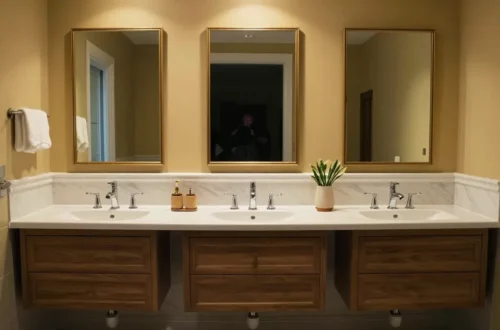
Small bathroom? No problem. You don’t need a full remodel or a magic wand to make it feel bigger—you just need a smart layout and a few sneaky space tricks. Let’s talk four bathroom layouts that squeeze every inch of function out of your footprint, without sacrificing style. Ready to reclaim the space you already have?
Work the Wall: The Single-Wall Superstar
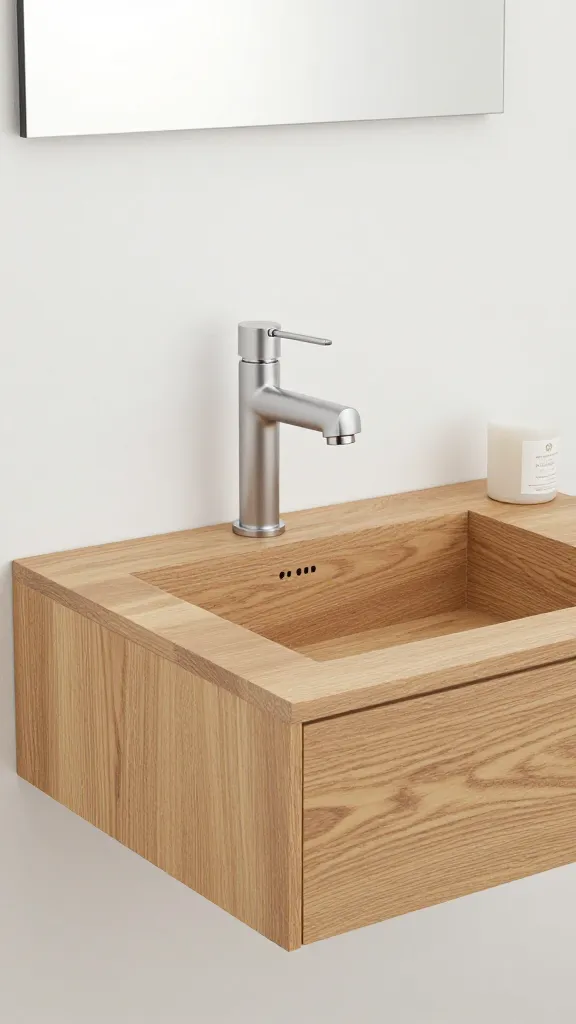
When space runs tight, line up your fixtures like a well-behaved queue: vanity, toilet, shower—straight across one wall. This simple layout keeps plumbing consolidated and clears room to move. It also makes a narrow bathroom feel longer and cleaner.
- Floating vanity: It shows more floor, so your brain reads the room as bigger. Magic? Not exactly. But almost.
- Shower with a glass panel: Skip the full door and go with a fixed panel or a curtain that pulls wide.
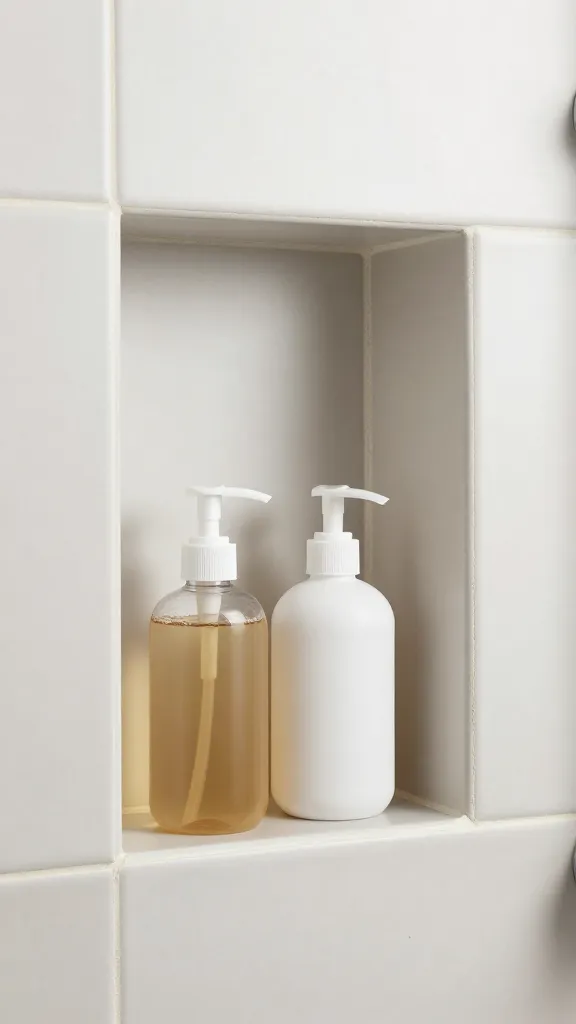
- Recessed shelves: Build them into the wall between studs for shampoo and small storage.
When a Single-Wall Layout Makes Sense
- You’re renovating on a budget and want to keep plumbing on one side.
- Your room runs long and narrow (think 5′ x 8′).
- You want a clean, modern look with minimal visual clutter.
The Corner Command Center: Tuck, Spin, Repeat

Corners can do the heavy lifting if you ask nicely. Stick a corner vanity or corner sink opposite a corner shower, and suddenly your center floor opens up. You’ll move more freely and stop hip-checking the vanity every morning.
- Neo-angle shower: That clipped corner reduces bulk and creates a better walking path.
- Triangular vanity: Yes, they exist. They save space without feeling like a dollhouse sink.
- Wall-mounted faucet: Less counter depth required, more counter space gained. Win-win.
Pro Tip: Curve It
Rounded shower doors and curved vanities shave off hard corners. You’ll gain inches where you need them most—legroom and flow.
Slide, Don’t Swing: Door Strategies That Steal Space Back
Regular doors eat floor space because they swing into your path. Solution? Pocket doors and barn doors to the rescue. Inside the bathroom, use sliding shower doors or a fixed panel to skip the arc of doom.
- Pocket door: It disappears into the wall, which frees up prime real estate behind it.
- Outswing door: If a pocket door isn’t possible, swing it out into the hallway (check code first, FYI).
- Shower screen: A single piece of fixed glass keeps things airy and simple to clean.
Hardware That Helps
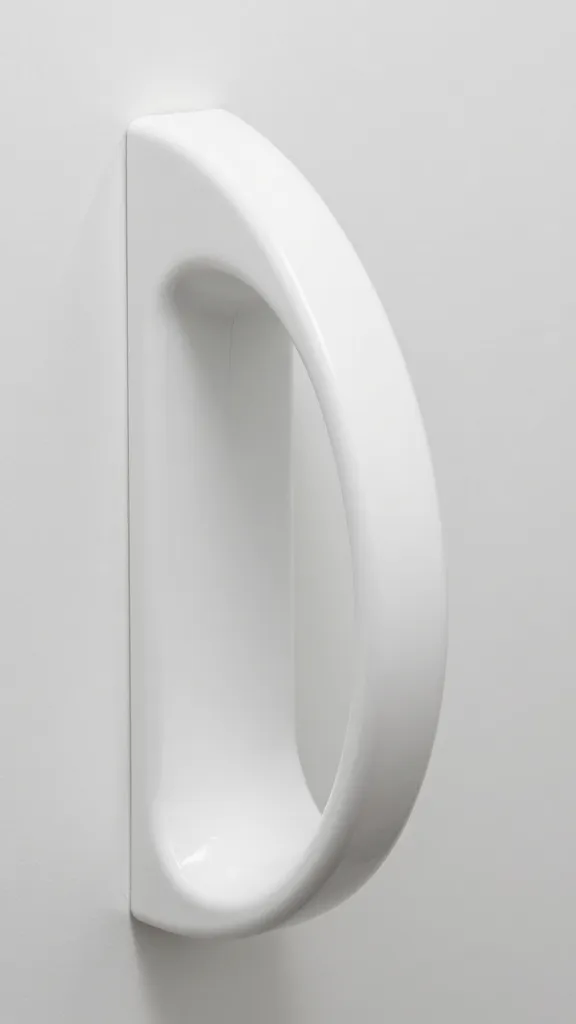
Choose low-profile handles and rounded hardware to avoid snagging towels—or hips. And keep finishes consistent so the room looks sleek, not chaotic.
Go Vertical Like You Mean It
Your bathroom has walls—use every inch of them. Climb with storage and lighting so you can shrink bulky bases and still stash everything. Vertical planning turns “where do I put this?” into “look at all this space.”
- Over-the-toilet cabinets that are shallow but tall.
- Recessed medicine cabinets with mirrors for multipurpose magic.
- Towel hooks instead of bars if you’re short on width.
- Tiered shelves near the vanity for everyday stuff (contained, not chaotic).
Lighting That Lifts
Stack lighting: sconces at face height, a ceiling light for general glow, and a shower-rated can above the wet zone. Bright, layered light makes every small bathroom feel bigger. IMO, it’s the cheapest “renovation” you’ll ever do.
Four Layouts That Maximize Every Inch
Let’s get specific. These four tried-and-true setups turn tight footprints into functional, good-looking zones.
-
The Galley Bath (5′ x 8′)
- Layout: Vanity and toilet on one long wall, shower at the end with a glass panel.
- Why it works: One clean line of fixtures keeps the path wide and obvious.
- Upgrade: A niche in the shower and a floating vanity to fake more floor space.
-
The L-Shape Saver
- Layout: Vanity on one wall, toilet turned 90 degrees on the adjacent wall, shower opposite the vanity.
- Why it works: You tuck the toilet into its own mini-zone, so the room feels less crowded.
- Upgrade: Use a pocket door so the entry doesn’t crash into the vanity.
-
The Corner Command (Square-ish rooms)
- Layout: Corner shower, corner vanity, toilet on the long, open wall.
- Why it works: It frees up the center and shortens the traffic path.
- Upgrade: Curved shower doors to avoid sharp turns on a sleepy morning.
-
The Jack-and-Jill Mini
- Layout: Two entrances on opposite sides, shared vanity between, shower and toilet in a separate wet zone.
- Why it works: You separate functions so more than one person can use the space without chaos.
- Upgrade: Add a sliding door to the wet zone and a double-medicine cabinet for hidden storage.
Don’t Forget Code Clearances
A quick cheat sheet so you don’t hate your choices later:
- Toilet: 15″ from center to each side wall minimum; 24″+ clear space in front (30″ feels better).
- Vanity: Aim for 30″-36″ counter height; 21″+ in front for knees and toes.
- Shower: 30″ x 30″ minimum; 36″ x 36″ feels civilized.
FYI, always check local code—some places ask for more.
Smart Fixtures That Pull Double Duty
Space-saving fixtures aren’t just cute—they’re clutch. Choose pieces that do more with less.
- Wall-hung toilet: Shorter projection and easier cleaning under it. Your mop will send a thank-you card.
- Narrow-depth vanity (15″-18″): Plenty of sink, less bulk.
- Integrated sink-countertops: Fewer seams, more usable surface, less grime. Yes please.
- Mirrors that hide storage: Recessed medicine cabinets or mirrored towers.
Material Moves That Trick the Eye
Want the room to feel bigger without moving a wall? Try this:
- Large-format tile on floors and in showers to minimize grout lines.
- Continuous flooring from the main floor into the shower (with proper slope) for a seamless look.
- Light, reflective finishes: Glossy tile, pale paint, chrome or brushed nickel fixtures.
Storage Without the Bulk
Clutter kills small bathrooms. Create homes for everything so the counters stay clear and your sanity stays intact.
- Vanity drawers over doors: Drawers use space better and keep things visible.
- Over-door shelves: Park extra towels or TP up high.
- Built-in niches by the vanity: Toothbrushes, hair tools, skincare—off the counter, finally.
Edit Like a Pro
If you don’t use it daily, it doesn’t earn counter space. Keep backups in a linen closet or a labeled bin elsewhere. IMO, fewer products = faster mornings.
FAQ
What’s the best small-bathroom layout if I can’t move plumbing?
Stick with a single-wall or galley layout. Keep the vanity, toilet, and shower on the same side to avoid rerouting pipes. Use a floating vanity and a glass shower panel to open up the floor visually.
How big should a small shower be to still feel comfortable?
You can survive in 30″ x 30″, but 36″ x 36″ feels way better. If you’re tight on width, consider a neo-angle or curved door to smooth the corners and gain entry space.
Are bathtubs a bad idea in a tiny bathroom?
Not always. A 54″ or 60″ alcove tub with a straight, thin-profile apron can work. Just keep the surround simple and use a clear shower curtain or glass to avoid a big visual block.
What colors make a small bathroom look bigger?
Light, warm neutrals and soft whites bounce light and make walls recede. Pair them with consistent metal finishes and a high-contrast mirror frame for definition without heaviness.
Do I really need a pocket door?
Need? No. Love? Probably. If you can’t do a pocket door, swing the door out or use a sleek barn door. The goal is simple: remove the swing arc from the already-tight interior.
What’s the top storage upgrade for a small bathroom?
A recessed, mirrored medicine cabinet. It adds real storage at eye level, doubles as a mirror, and keeps counters blissfully clear. Add drawer dividers to the vanity and you’re golden.
Conclusion
You don’t need more square footage—you need a smarter plan. Choose a layout that matches your room shape, push storage vertical, and pick fixtures that multitask. Add glass, good lighting, and a few curved edges, and your small bath stops feeling cramped and starts feeling clever. Go forth and reclaim those inches. Your elbows will thank you.