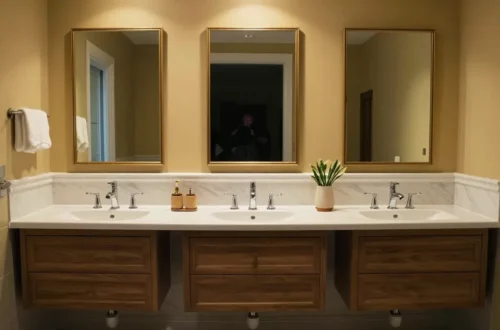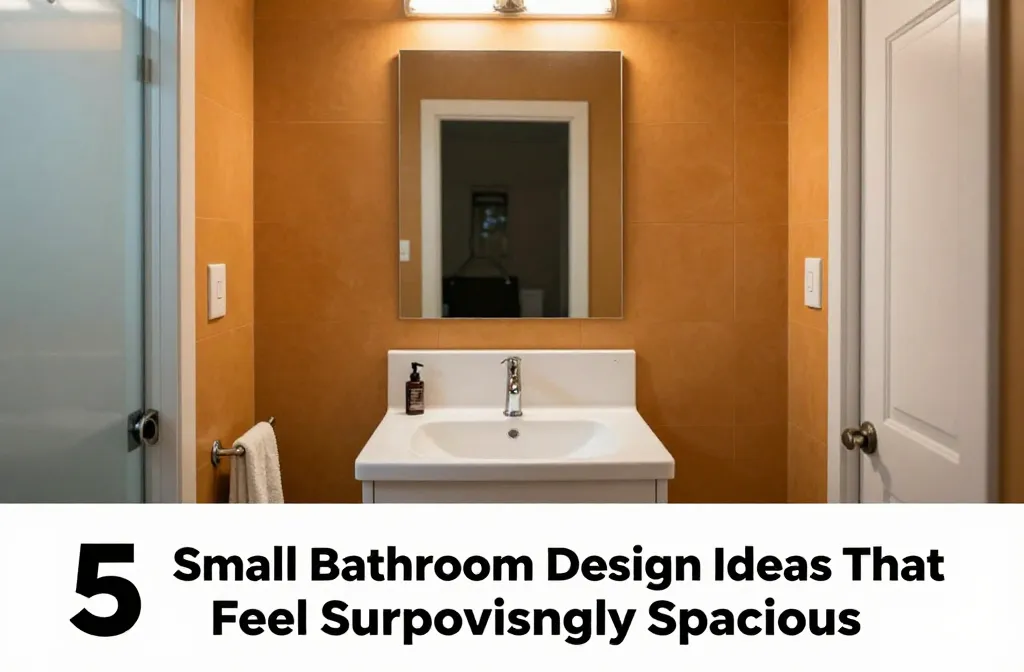
You don’t need a palace-sized bathroom to feel like you live large. A few smart design moves can trick your eyes, stretch your storage, and make your morning routine way less chaotic. Ready to turn your tiny washroom into a big mood? Let’s dive into five ideas that make small bathrooms feel surprisingly spacious—without moving a single wall.
Go Big on Light and Color (Yes, Even in a Tiny Room)
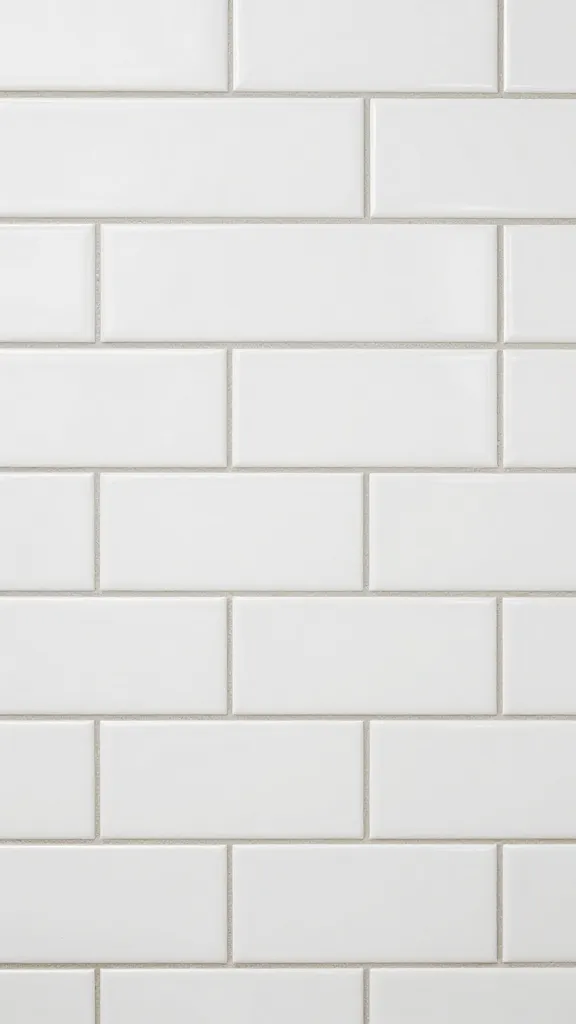
Light is your best friend in a small bathroom. Natural light? Amazing. But even if you only have a sliver of a window (or none), you can still stack the deck with reflective surfaces and light tones.
- Pick a light color palette: Soft whites, warm creams, pale greys, or gentle pastels visually open the room.
- Match wall and tile tones: When walls and floors share a similar color, your eye doesn’t stop and the space feels larger.
- Lean into glossy finishes: Semi-gloss paint, glazed tiles, and chrome or polished nickel fixtures bounce light like a charm.
Pro Tip: One Bold Wall the Right Way
Want personality without the shrink ray? Add a patterned wallpaper or tile on a single feature wall—ideally behind the vanity or the tub. Keep the rest light and solid so the pattern reads as “style” not “clutter.” IMO, a vertical pattern can also make ceilings feel taller.
Swap the Boxy Shower for Airy Transparency

Bulky shower curtains and framed doors slice up the room visually. A frameless glass panel or door keeps sightlines clean, which makes everything feel bigger instantly.
- Walk-in panel vs. door: If your layout lets you, use a single fixed glass panel instead of a swing door—fewer lines, less hardware, more open feel.
- Floor-to-ceiling tile: Tiling right up to the ceiling draws the eye upward and adds drama without taking space.
- Use a linear drain: A curbless shower with a linear drain eliminates thresholds and creates a seamless floor plane.
Small Detail, Big Impact: Shower Niches
Skip bulky caddies. Build a recessed niche into the shower wall. Line it with the same tile or a subtle contrast. Bonus: it feels custom, and you won’t knock over shampoo bottles mid-shower.
Mount It, Float It, Hide It
Furniture that hovers feels lighter—your bathroom will too. Wall-mounted vanities and toilets open up the floor and visually declutter the room.
- Floating vanity: Go with a slim profile and drawers. You’ll still stash a ton, but the open floor below keeps things airy.
- Wall-mounted faucet: It frees up counter space and lets you choose a slimmer sink.
- In-wall toilet tank: It’s a bigger project, but it shaves inches and gives you cleaner sightlines.
Smart Storage That Doesn’t Bully the Room
– Swap bulky towel bars for hooks.
– Use a recessed medicine cabinet with a mirrored front (extra mirror, extra storage).
– Slide in a slim rolling cart between vanity and wall for backups like TP and skincare. FYI, lidded baskets hide chaos instantly.
Mirror Magic: Tricks Your Eyes Every Time

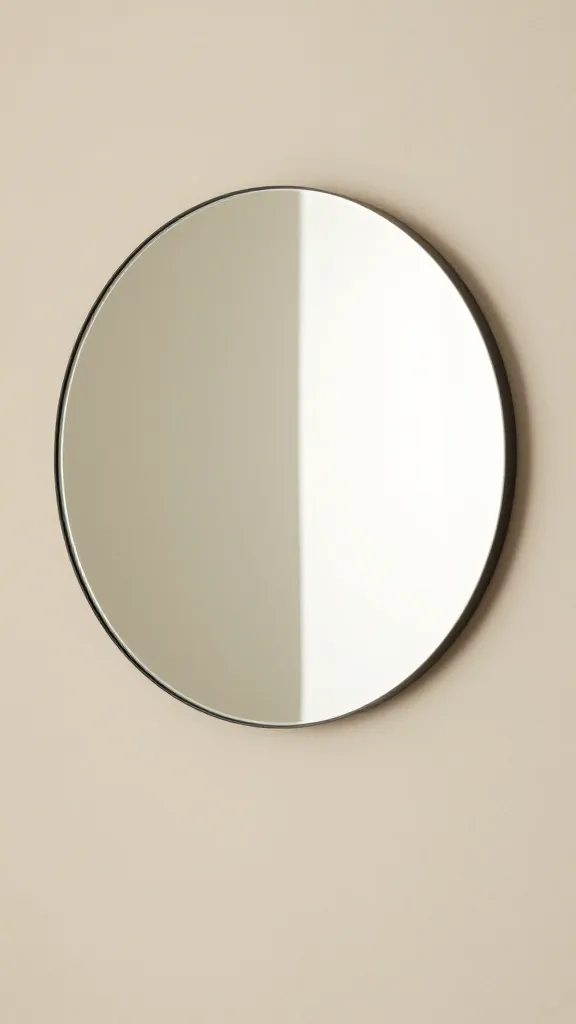
Mirrors amplify light and space. Bigger = better here. Go wide over the vanity or run a full-width mirror from wall to wall.
- Stretch it high: Mount the mirror as close to the ceiling as possible to enhance vertical lines.
- Edge-to-edge mirrors: Minimize frames—they add visual “stop” points.
- Backlit options: An LED backlit mirror adds even, flattering light and feels luxe without needing extra fixtures.
A Secondary Mirror? Yes, Please
Place a smaller pivot mirror opposite the main one, or near a window, to bounce more light. Just don’t aim two mirrors directly at each other unless you want an infinity portal situation.
Lay Out the Floor Like a Pro
Tiny rooms love big tiles—counterintuitive, but true. Larger-format tiles mean fewer grout lines, which creates a calmer, more expansive look.
- Use a diagonal or stacked pattern: Diagonal floors visually widen. Stacked vertical tile lines make ceilings look taller.
- Match grout to tile: High contrast chops up surfaces; tone-on-tone feels seamless.
- Heat the floor: Radiant heat lets you skip bulky baseboard heaters for a cleaner perimeter.
Rugs, Mats, and Other Floor Friends
Keep bath mats slim and low-contrast. A thick, dark mat can feel like a hole in the floor. Choose a color close to your tile for continuity, and wash it often so it actually looks inviting.
Light Like You Mean It
One sad ceiling bulb won’t cut it. Layer your lighting so the room feels bright, flattering, and functional.
- Overhead ambient: A simple flush-mount or recessed lights for general brightness.
- Task lighting: Sconces at eye level on either side of the mirror reduce shadows on your face.
- Accent: A soft LED strip under a floating vanity gives a hotel vibe and acts as a nightlight.
Color Temperature Matters
Aim for 2700K–3000K for relaxation and 3000K–3500K near the vanity for truer color on skin and makeup. Keep all bulbs consistent so your bathroom doesn’t feel like a lighting store demo.
Declutter Like You’re Paid for It
You can design like a genius and still lose the space battle to clutter. Edit hard. Store smart. Display almost nothing.
- One-in, one-out rule: If a product expires in 2021 (yikes), it goes. Replace, don’t hoard.
- Uniform containers: Decant everyday items into matching bottles to reduce visual noise.
- Use vertical space: Narrow shelves above the toilet or doorframe stash extras out of your main line of sight.
Styling That Doesn’t Shrink the Room
Choose one statement: a small plant, a pretty soap dispenser, or a framed print. Not all three. IMO, greenery always wins—try a pothos or snake plant if light is low.
FAQs
How can I make a small bathroom feel taller?
Run tile or beadboard vertically, hang shower curtains and mirrors higher than you think, and choose a vanity with vertical lines. Painting the ceiling the same color as the walls (in a light tone) blurs edges and makes the room feel taller.
What size tile works best in a small bathroom?
Large-format tiles (12×24 and up) reduce grout lines and create visual calm. If you love small mosaics, use them sparingly—like on a shower floor—then keep walls and main flooring larger and lighter to balance it.
Is a pedestal sink a good idea for tight spaces?
It depends. A pedestal saves floor space visually, but you lose storage. If you can pair it with a recessed medicine cabinet and a slim shelf, go for it. Otherwise, a compact floating vanity usually wins on function.
Do dark colors ever work in a small bathroom?
They can, but use them strategically. A deep navy vanity or a single accent wall adds depth without shrinking the whole space. Keep ceilings and most walls light so the room still breathes.
What lighting layout should I prioritize if I only upgrade one thing?
Add sconces at face level (about 60–66 inches off the floor) beside the mirror. Even lighting on your face changes everything—from shaving to makeup—and makes the room feel warmer and more polished.
Are glass shelves practical in a bathroom?
Yes, if you keep them tidy. They disappear visually and reflect light. Just avoid overloading them and wipe them down regularly so they don’t turn into a water-spot museum.
Conclusion
Small bathrooms don’t need sympathy; they need strategy. Light colors, sleek glass, floating fixtures, big mirrors, smart tile choices, layered lighting, and ruthless editing work together like a space-expanding cheat code. Start with one or two upgrades, live with them, then keep going. FYI: your square footage won’t change—but your bathroom will feel like it did.