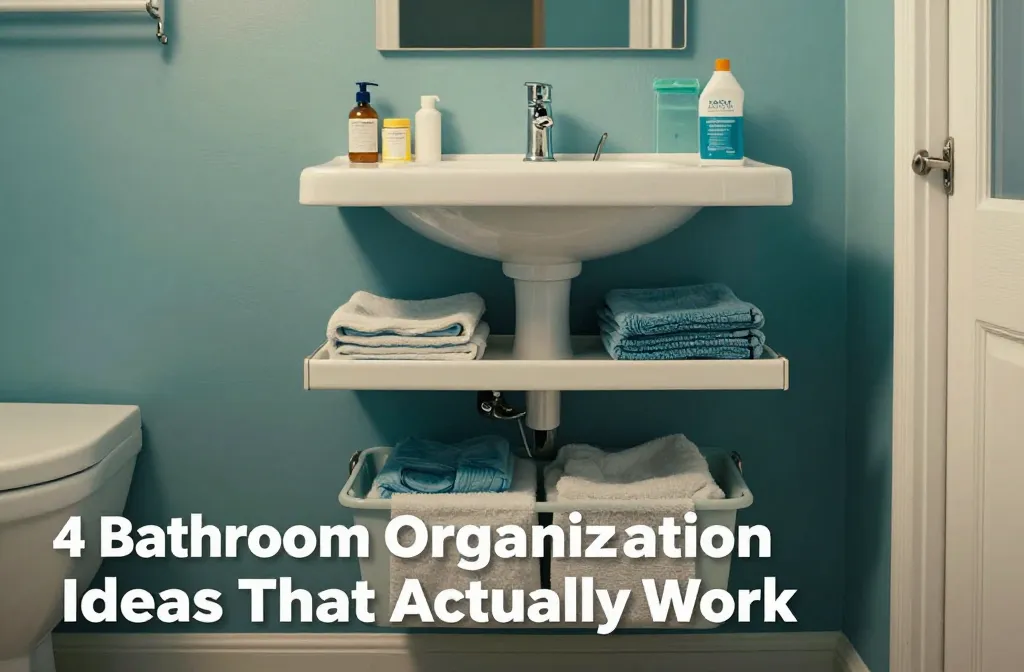
You know that moment when you reach for toothpaste and grab face cream instead? Yeah, same. Bathrooms get chaotic fast, and those “pretty” storage ideas often fail by Wednesday. Let’s skip the Pinterest fantasies and talk about organization ideas that actually work in real life—wet floors, tiny cabinets, and all. Ready to reclaim your sink from the avalanche of serums?
Do a Ruthless Edit (Yes, Before You Buy Anything)
You can’t organize clutter you don’t need. Pull everything out—drawers, cabinets, shower caddies—and group by category. Then ask the tough questions: Do I use this weekly? Is it expired? Do I even like it? If not, it goes.
Keep only what you use weekly in your prime real estate—counter, top drawer, shower caddy. Everything else lives in backup storage or leaves your house.
Quick purge checklist
- Expired products: Sunscreen, medications, anything with a weird smell.
- Duplicates: Keep your fave, stash one backup, donate unopened extras if allowed.
- Bad buys: That hair mask you hate? Bless and release.
Use Zones, Not “Wherever It Fits”
Random placement kills consistency. Create clear zones so you always know where everything goes, even when you’re half-asleep.
Core bathroom zones that work in almost any setup:
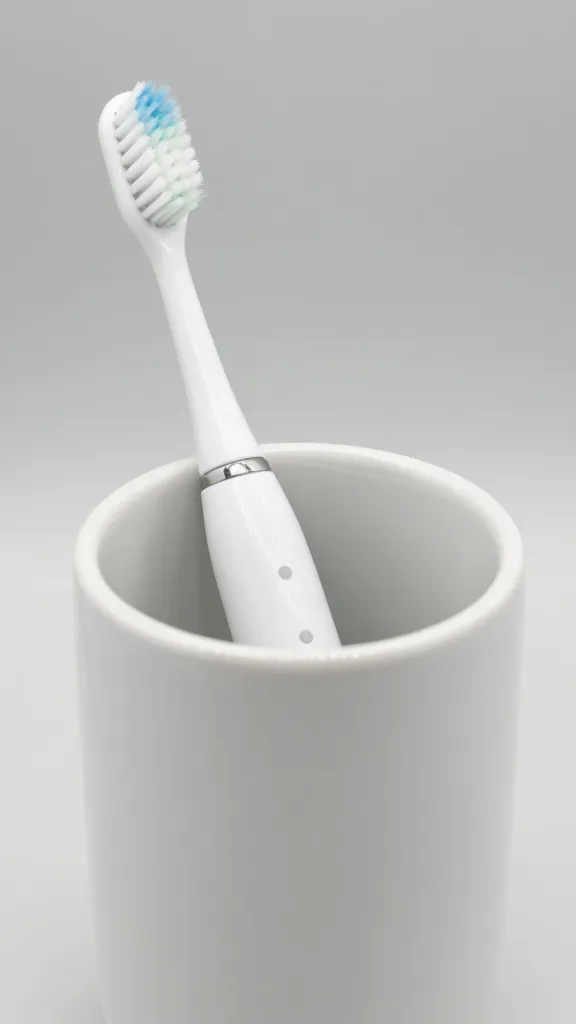
- Daily zone: Toothbrush, toothpaste, face wash, deodorant, moisturizer, SPF.
- Hair zone: Brush, ties, heat tools, styling products.
- Body + backup zone: Body wash refills, extra soap, razors, lotion, cotton pads.
- Medicine + first aid zone: Essentials only; store the rest out of humidity if possible.
Label like you mean it
Use simple, clear labels. Not cute puns. You want “Face,” “Hair,” “Dental,” “First Aid.” Labels stop the “Where does this go?” debate and help everyone keep the system alive. IMO, labels are the secret sauce.
Max Out Vertical Space (Your Walls Are Lazy)
Most bathrooms have tons of wasted vertical space. Put those walls and doors to work so your counters can breathe.
- Over-the-door organizers: Great for backup products, hair tools, and cleaning supplies.
- Wall-mounted shelves: Float a narrow shelf above the toilet for everyday items or a cute plant, if you must.
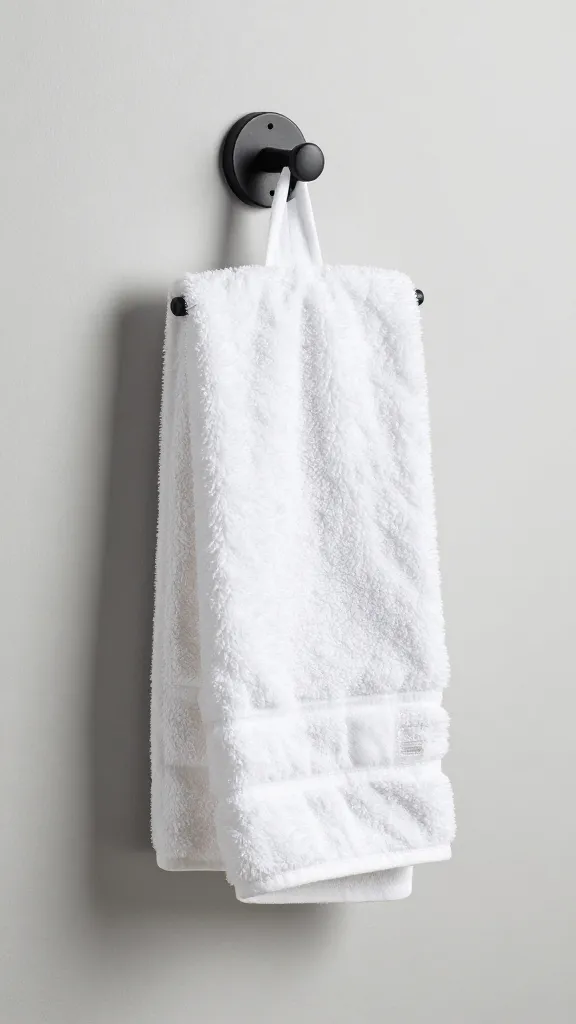
- Adhesive hooks: Hang towels, shower caps, loofahs—no drilling required.
- Magnetic strips: Mount inside a cabinet door for tweezers, nail clippers, bobby pins.
Under-sink vertical win
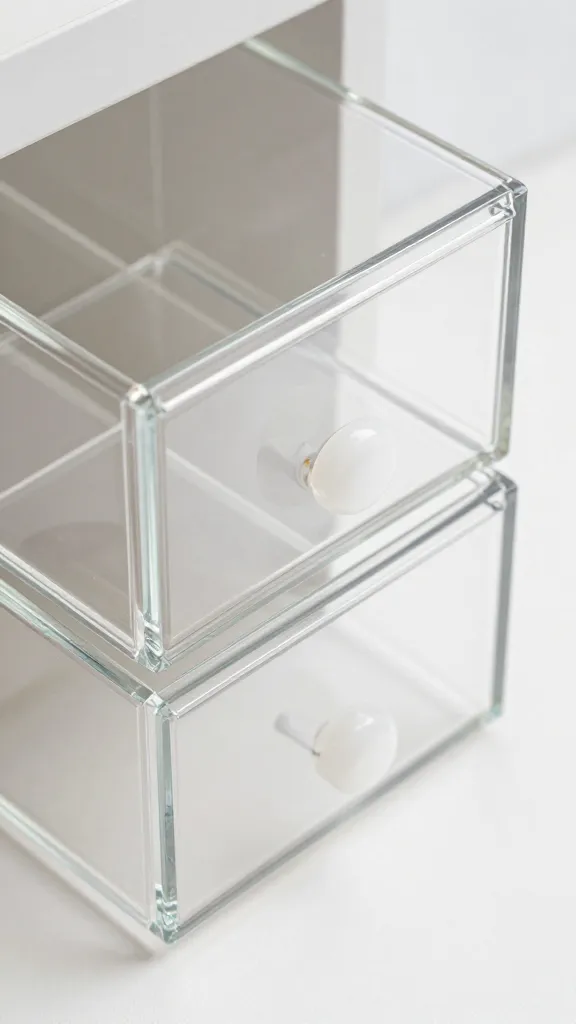
Add stackable drawers or risers under the sink so items don’t pile into a black hole. Use clear drawers if possible, because seeing your stuff makes you actually use it. FYI, a lazy Susan under the sink works wonders for tall bottles.
Decant Strategically (But Only If It Helps)
Decanting everything into matching containers looks beautiful on Instagram and sort of annoying in real life. Do it for the categories that truly benefit from quick access and easy refills.
Decant these, not those:
- Yes: Cotton swabs, cotton rounds, bath salts, Epsom salt, hair ties, floss picks.
- Maybe: Hand soap, shampoo/conditioner (if you refill from bulk).
- No: Products with active ingredients; you need labels and expiration dates intact.
Choose the right containers
- Airtight jars for cotton and salts to avoid humidity damage.
- Pump bottles with waterproof labels for soap and lotion.
- Stackable canisters for small accessories.
Keep maintenance in mind. If refilling feels fussy, skip it. Organization you hate won’t last past the weekend.
Streamline Drawers with Small-but-Mighty Dividers
Drawers get messy faster than a toddler with toothpaste. Use modular, shallow trays so every item has a specific spot. Group small categories, and you’ll never dig for a hair tie again.
Sample drawer layout:
- Top drawer (daily): Toothpaste, toothbrush heads, floss, lip balm, face cream, SPF.
- Second drawer (hair): Brush, elastics, clips, serum, heat protectant.
- Third drawer (extras): Razor cartridges, travel minis, sheet masks.
Pro tip: use drawer math
Measure the inside of your drawer and buy organizers that fit edge-to-edge. Gaps create sliding chaos. Add some non-slip liner beneath trays to keep everything in place.
Contain the Shower Situation
Nobody wants a shampoo avalanche mid-rinse. Keep your shower routine simple and mold-free with the right tools.
- Rustproof corner caddy: Park your daily bottles there. One shelf per person if you share.
- Wall-mounted dispensers: Great for shampoo, conditioner, body wash—less visual clutter.
- Quick-dry hooks: Hang loofahs and razors so they actually dry and don’t turn into biohazards.
- Edit monthly: Toss empties and exiled products that never made the cut.
Keep the floor clear
Skip floor baskets inside the shower. They pool water, invite mold, and turn gross fast. Use shelves or dispensers instead.
Build a Refill Station That Saves Your Sanity
Refills cause clutter creep. Create a small, dedicated “store” so you stop overbuying and actually use what you have.
What to keep in your refill station:
- Toilet paper and tissues
- Soap, shampoo/conditioner, body wash backups
- Razor blades, cotton rounds, floss
- Pads/tampons or period products
- Extra toothpaste and deodorant
Where to put it
If your bathroom is tiny, stash refills in a hall closet bin labeled “Bathroom Backups.” Refill weekly or when you do laundry. IMO, this single habit keeps counters clear more than any other tip.
Maintenance That Doesn’t Feel Like a Chore
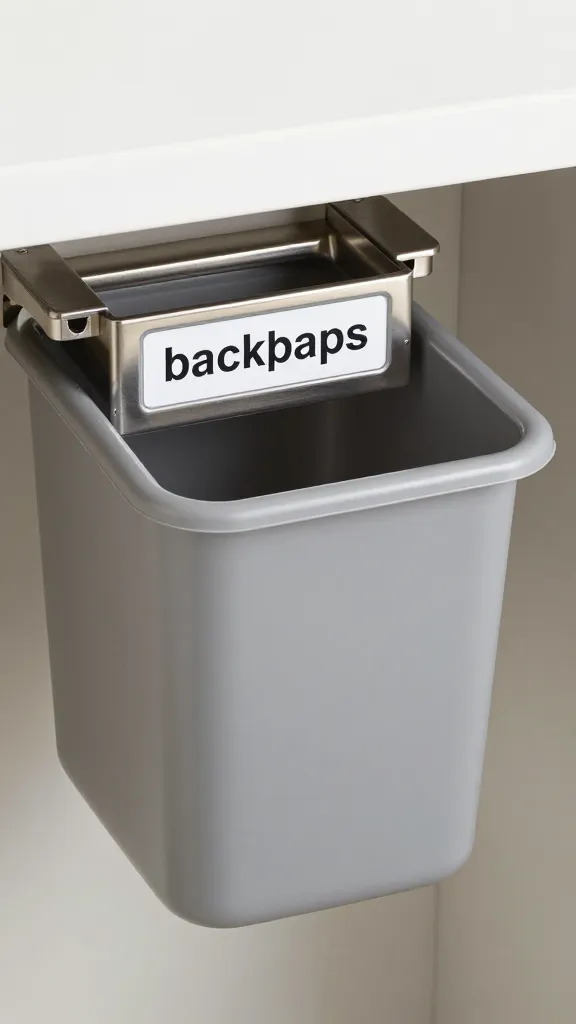
You organized it—now keep it alive with micro-habits. No, you don’t need a 30-minute reset every night.
- One-minute rule: If it takes under a minute—put it back now.
- Weekly five: Spend five minutes restocking and tossing empties.
- Seasonal sweep: Every 3 months, purge expired stuff and weird samples.
Set visual limits
Use bins as boundaries. When the “Hair Products” bin overflows, something exits. Boundaries keep shopping honest and clutter minimal.
FAQ
How do I organize a tiny bathroom with zero drawers?
Go vertical and portable. Use over-the-toilet shelving, a rolling cart, or a slim freestanding tower. Add caddies inside cabinets and stick-on organizers on doors. Keep your daily kit in a handled bin you can grab and tuck away after.
What should I keep on the counter?
Only what you use every single day. Think soap, toothbrush, maybe one skincare product. Everything else goes in a drawer, caddy, or cabinet. Clear counters make small bathrooms feel bigger—plus they’re easier to clean.
How do I store medicine safely in a bathroom?
Humidity messes with some meds. Keep daily basics in a small bin with a lid, then store the rest in a cool, dry spot like a hallway cabinet. Always check labels and keep anything sensitive out of steamy zones.
What’s the best way to store hair tools?
Use a heat-resistant holder that mounts inside a cabinet or hangs over a door. Corral cords with Velcro ties. If you share space, give each person a labeled bin so tools don’t tangle or disappear.
How do I keep my shower from getting gross?
Choose products that drain and dry fast. Hang tools, avoid floor storage, and squeegee glass after showers. Do a quick weekly rinse of the caddy and toss any goopy bottles. It takes five minutes and saves you from a deep-clean nightmare later.
Are matching containers worth it?
Sometimes. If it streamlines your routine and reduces visual clutter, great. If it turns into homework, skip it. Function first, aesthetics second—not the other way around.
Conclusion
Bathroom organization doesn’t need a spreadsheet or a shopping spree. Edit hard, set zones, go vertical, and give everything a labeled home. Then maintain it with tiny habits, not epic cleanouts. Do that, and your bathroom will finally work like a real space—not a daily scavenger hunt.