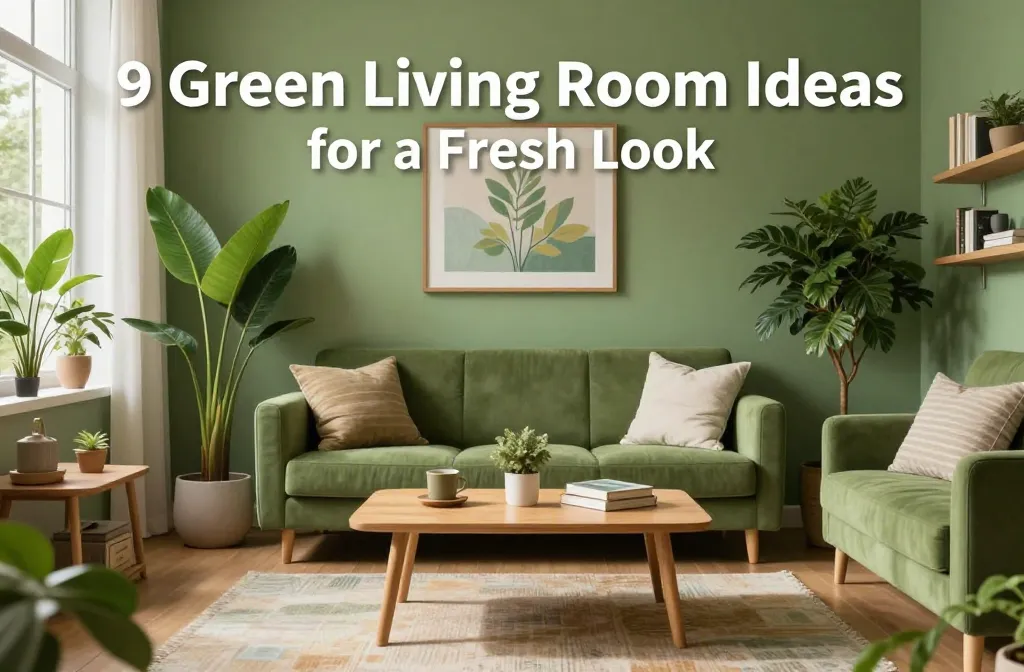
Freshening up your living room? Go green—literally. A green palette can calm a chaotic space, add character without shouting, and play nice with almost every style, from modern minimal to rustic cozy. If your living room feels tired or bland, these nine green ideas will flip the vibe without flipping your entire budget. Ready to make your sofa look better than it actually is? Let’s do this.
Pick Your Green Personality
Green isn’t just “green.” It runs from earthy olive to punchy lime to moody forest. Choose a shade that matches your room’s light and your mood.
- Olive and sage feel grounded and sophisticated—great for relaxed, grown-up spaces.
- Emerald and forest bring drama and depth—perfect for rooms with good light.
- Mint and pistachio read fresh and airy—ideal for small or darker rooms.
Test Before You Commit
Paint three big swatches on different walls and check them at morning, afternoon, and evening. Lighting can turn your “yes” into a “why is this baby food?” fast. IMO, always lean slightly warmer if your room faces north.
Paint, But Smarter
A full green room can look chic, but you don’t need to paint every surface. Use paint strategically to create zones and balance.
- Accent wall: Choose a wall behind the sofa or TV to anchor the room without overdoing it.
- Color-drenching: Paint walls, trim, and doors the same green for a polished, design-mag moment.
- Two-tone walls: Keep the bottom half green (wainscoting or a painted line) and the top half soft white to keep things bright.
Finish Matters
– Matte hides flaws and feels cozy (touch-ups look smoother).
– Eggshell/satin cleans easier—better if kids, pets, or enthusiastic snackers live here.
– High-gloss on trim adds a luxe hit without screaming.
Green Sofa: The Main Character Move
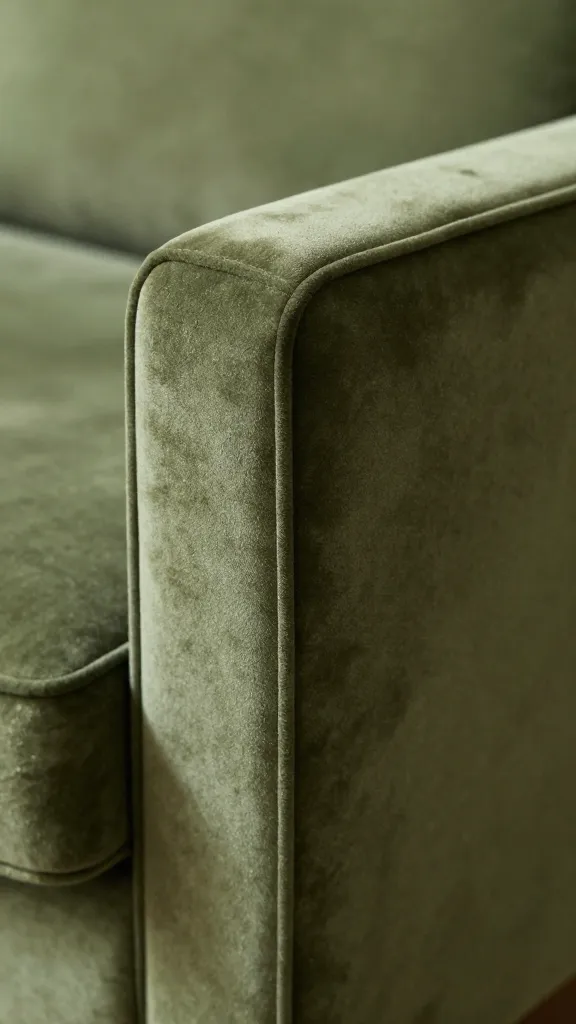
A green sofa looks bold without going full peacock. You’ll get instant style points and an easy palette to build around.
- Velvet in emerald = glam drama, zero effort.
- Linen in olive or moss = laid-back, textural, and timeless.
- Performance fabric = your future self says thanks when the espresso “mysteriously” tips over.
FYI: If a new sofa isn’t happening, a tailored slipcover or a high-quality throw over the seat cushions refreshes the vibe for cheap.
Layer Textiles Like a Pro
You can green-up your room with pillows, throws, and rugs—no paint fumes required. Mix tones for depth so it doesn’t read “matchy-matchy.”
- Pillows: Combine a large-scale pattern, a small geometric, and a solid in different greens.
- Throws: Go chunky knit or boucle to add texture against smoother upholstery.
- Rugs: A muted vintage-style rug with olive and rust tones ties everything together.
Pattern Mixing 101
Use one “hero” print (floral, ikat, abstract), one stripe or check, and one solid. Keep the greens within two or three shades for cohesion. It’s like a band: you need a lead singer, backup vocals, and a bass line.
Add Green with Nature (Without Becoming a Botanist)
Plants give you color, movement, and better air. Bonus: they make your space look expensive.
- Go big: A fiddle leaf fig, rubber plant, or bird of paradise becomes instant decor.
- Go sculptural: Snake plants and ZZ plants look sharp and tolerate forgetful watering schedules.
- Cluster: Group 3–5 plants in different heights and pots for a styled corner.
IMO, terracotta pots with deep green foliage always win. Add a green-glazed pot or two to echo your palette without going full greenhouse.
Walls That Talk: Wallpaper, Paneling, and Art

Not into paint? You’ve got options that still speak fluent green.
- Wallpaper: Try botanical, geometric, or grasscloth in sage or emerald for texture and interest.
- Paneled walls: Paint beadboard or box paneling in a mid-tone green for quiet luxury.
- Art: Curate a gallery wall with prints that feature green accents—think landscapes, abstracts, or vintage posters.
Frame Game
Black frames add contrast with richer greens. Light oak warms up cooler mints and sages. Brass frames throw in a subtle shine and look fancy without trying.
Balance Green with Neutrals and Metals
Green pops more when it has company. Surround it with the right neutrals and finishes so it doesn’t swallow the room.
- Warm woods like oak and walnut keep olive and forest shades from feeling heavy.
- Soft whites and creams keep mint and sage crisp.
- Metals: Brass pairs beautifully with emerald; matte black loves olive; chrome vibes with mint.
If everything looks a bit flat, add one warm accent—rust, blush, or mustard. It’s the secret spice.
Lighting That Loves Green
Lighting can make or break your color story. Use layers so your green reads luxe, not gloomy.
- Ceiling light: Choose warm (2700K–3000K) bulbs to avoid a clinical feel.
- Task lamps: Angle them to graze walls and highlight texture.
- Ambient glow: Picture lights, wall sconces, and LED strips on shelves add depth.
Pro tip: A lampshade with a pale green lining casts the tiniest tint—subtle, but it ties things together.
Small Swaps with Big Payoff
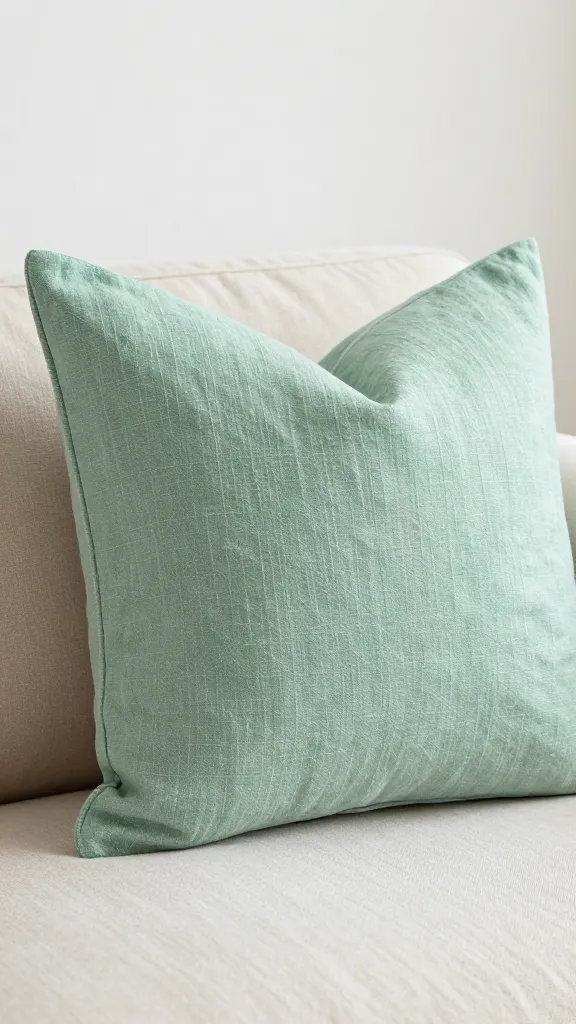
Not ready for a full makeover? Sprinkle green around like seasoning.
- Curtains: Olive linen panels instantly elevate a neutral room.
- Coffee table styling: Stack a few green-spined books, add a green glass vase, and a moss bowl. Done.
- Hardware: Swap drawer knobs for deep green ceramic or leather pulls.
- Candles and trays: Cheap, cheerful, and surprisingly effective.
FYI: Repeating green in at least three places makes it look intentional, not accidental.
9 Green Living Room Ideas (Quick Recap)
- Choose your green vibe: sage, olive, emerald, or mint.
- Paint smart: accent wall, color-drench, or two-tone.
- Make a green sofa the star.
- Layer pillows, throws, and rugs in varied greens.
- Bring in plants—big, sculptural, and grouped.
- Try wallpaper, paneling, or art with green tones.
- Balance with warm woods, soft neutrals, and metals.
- Light it right with warm bulbs and layered fixtures.
- Use small swaps: curtains, books, vases, and hardware.
FAQ
Which green works best in a small living room?
Go for lighter, softer greens like sage, pistachio, or mint. They bounce light around and make the space feel airier. If you want depth, try a darker green on just one wall and keep the rest light.
How do I stop green from feeling too cold?
Layer in warmth: wood tones, brass or bronze, creamy whites, and textures like wool, boucle, and linen. Add a warm accent color (rust, peach, or mustard) and you’ll fix that chill instantly.
Can I mix different shades of green?
Absolutely. In fact, you should. Combine 2–3 shades across textiles, art, and decor for dimension. Keep undertones consistent (all warm or all cool) so it feels cohesive, not chaotic.
What colors pair best with green furniture?
Neutrals like warm white, taupe, and charcoal always work. For accents, try blush, terracotta, navy, or mustard. Black details (frames, lamps) add structure and keep things modern.
Is a green sofa too trendy?
Nope. Green reads like a modern neutral because it lives in nature and plays well with tons of colors. Choose a timeless fabric (linen, velvet) and a classic silhouette, and you’re golden for years.
Should I paint trim green too?
If you want a cocooning, designer look—yes. Paint walls, trim, and doors the same green in a matte or satin. Prefer contrast? Keep trim crisp white and let the walls do the talking. Both win.
Wrap-Up: Your Fresh Green Glow-Up
Green gives your living room an easy refresh with major payoff. Start with one move—paint, plants, or pillows—and repeat the color a few times so it feels intentional. Edit, step back, tweak the lighting, and enjoy the “Did you redecorate?” compliments. IMO, once you go green, you won’t go back—you’ll just try another shade.