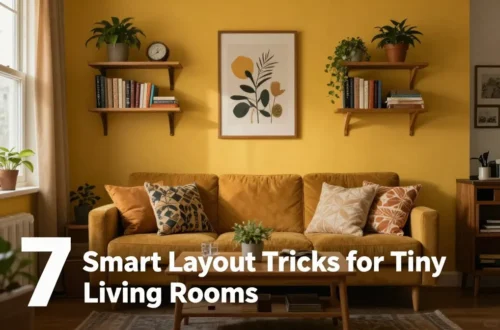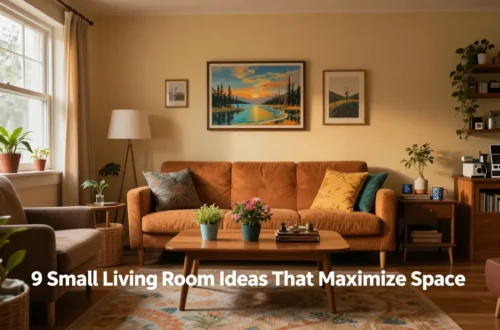
You want a cozier living room without gutting the place or blowing your budget? Layer texture. It’s the shortcut to warmth, personality, and that “I live here, not in a catalog” vibe. We’re talking fabrics, finishes, and touchable surfaces that make your space feel like a hug. Ready to stack eight simple textures that play nice together?
Start With a Foolproof Base: Rugs
Rugs do the heavy lifting for coziness. They ground the room, soften echoey floors, and give your toes somewhere nice to land. Go big—too small and the room feels choppy.
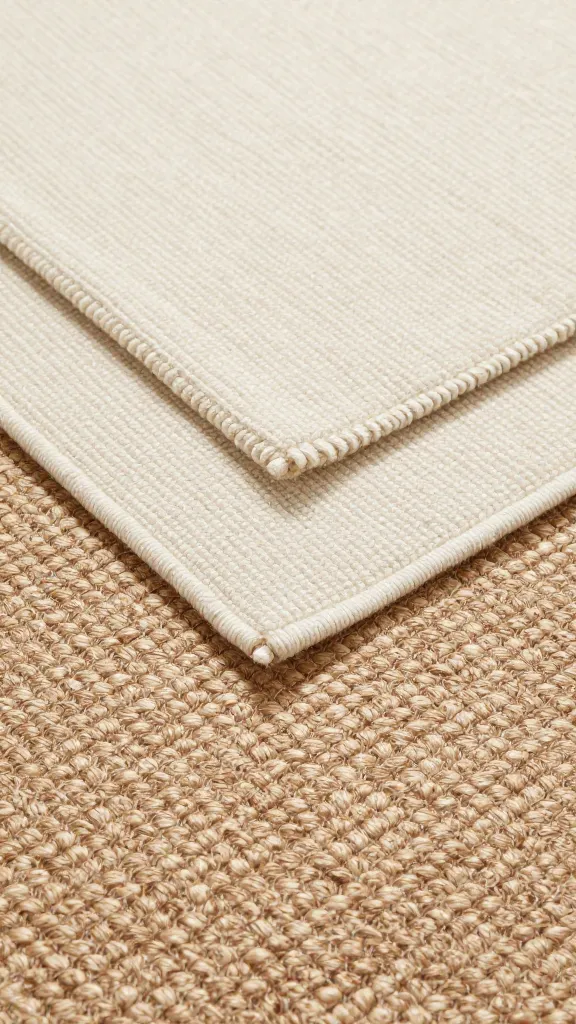
- Natural fiber base: Jute or sisal gives you that earthy, nubby texture that instantly warms up a space.
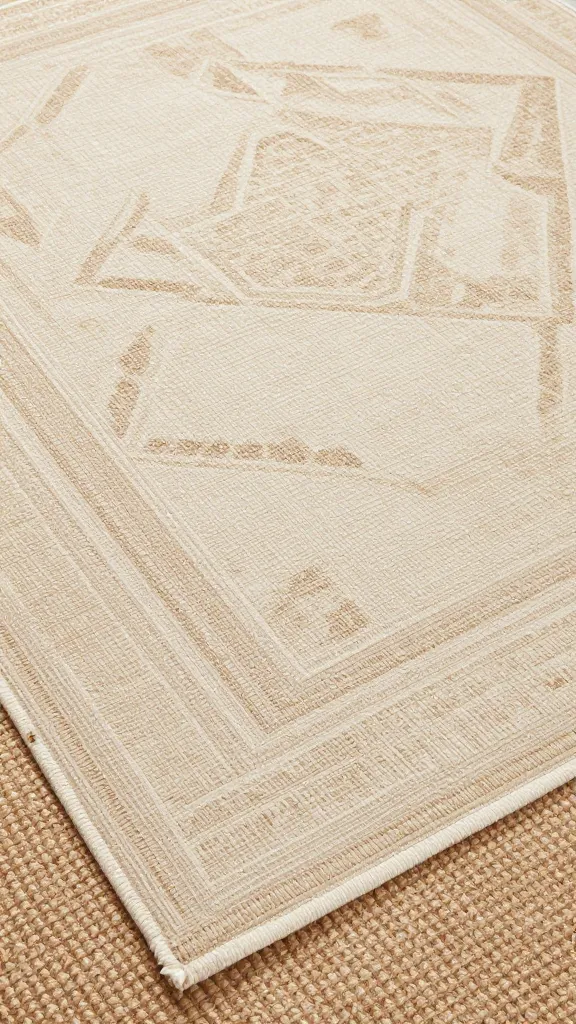
- Layer a softer rug on top: Add a smaller wool or shag piece over the natural-fiber base for plushness.
- Pattern play: Keep one rug quiet and the other a little spicy. Balance matters.
Pro Tip: Size and Placement
Choose a rug that slides under the front legs of your sofa and chairs. If your furniture floats, the rug should float too—don’t let it look like it’s shrinking away from the seating.
Mix-and-Match Throw Pillows and Blankets
Pillows and throws are like seasoning: you layer them to taste. Combine smooth, chunky, and fuzzy textures so the eye (and your hands) have a little adventure.
- Combo idea: Linen pillows + bouclé pillow + velvet lumbar = chef’s kiss.
- Throw strategy: Drape a cable-knit or faux fur throw near a smoother leather or linen sofa for contrast.
- Color tip: Keep a consistent palette but vary intensity—think cream, camel, and rust, not a rainbow explosion.
How Many Is Too Many?
Three to five pillows on a standard sofa works. If people need to relocate a mountain of pillows to sit down, you’ve gone too far. Cozy doesn’t mean cluttered (IMO).
Play With Upholstery: Smooth vs. Nubby
Your main sofa sets the tone. If you’ve got sleek leather, bring in soft textiles elsewhere. If you’ve got a chunky, textural fabric, add smooth accents to balance it out.
- Leather + bouclé: Smooth leather sofas love a nubby accent chair or ottoman.
- Performance linen: Slightly slubby linen upholstery gives airy texture without the “pet hair magnet” issue.
- Velvet moments: A velvet chair adds low-key glam and feels amazing.
Pattern Without Chaos
Use pattern as texture. Try a subtle herringbone, small-scale plaid, or tone-on-tone stripe. Keep the palette tight so it doesn’t go full circus.
Layer Wood Tones Like a Pro

Wood warms up everything. Mix 2–3 tones for depth, but keep undertones friendly—cool ash and warm cherry often fight.
- Foundation: The floor sets the baseline tone.
- Contrast: Coffee table or media console in a different shade creates definition.
- Accent: A small side table or wood picture frame as the third note ties it together.
Matte, Polished, or Raw?
Texture isn’t just color—it’s finish. A raw, matte wood feels rustic and cozy. Polished or lacquered wood looks sleeker. Mix one raw with one refined for balance.
Add Stone and Ceramic for Grit and Glow
A little hard material goes a long way. Stone and ceramic balance all the soft stuff so the room doesn’t feel like a marshmallow.
- Stone coffee table or side table: Honed marble or travertine adds subtle movement.
- Ceramic lamps or vases: Matte ceramic gives that handcrafted vibe.
- Tiled fireplace surround: Texture heaven. Even small, irregular tiles add dimension.
Shiny vs. Matte
Honed stone and matte ceramic read cozy. High-gloss finishes look sharper. Use a little shine as an accent so it doesn’t steal the room’s softness.
Textured Walls Without the Drama
No, you don’t need a full Venetian plaster moment (unless you want to). Try gentler wall layers that still read rich.
- Woven wall coverings: Grasscloth adds instant warmth and subtle variation.
- Textured paint or limewash: Soft movement, zero wallpaper commitment.
- Molding or paneling: Adds architectural texture—paint it the same color as the wall for a quiet, luxe look.
Art That Adds Texture
Go beyond flat prints. Try canvas with heavy brushstrokes, textile art, or framed pressed botanicals. Even a chunky wood frame counts as texture.
Metal Accents That Don’t Feel Cold
Metal can skew chilly, but the right finish brings warmth. Think small doses and brushed textures.
- Warm metals: Aged brass, bronze, or blackened steel feel cozy.
- Where to use: Lamp bases, picture frames, tray edges, hardware.
- Finish mix: One dominant metal, one supporting. Don’t collect every finish like Pokémon.
Lighting = Texture Multiplier
Textured lampshades (linen or pleated) and warm bulbs turn all your layers into a nightly mood show. FYI, dimmers are the secret sauce.
Greenery and Natural Fibers for Life
Plants literally soften lines and add that living texture you can’t fake. Pair them with baskets and woven accents to repeat the organic vibe.
- Plant picks: Fiddle leaf, rubber plant, or trailing pothos for movement.
- Baskets: Store throws, hide tech, add texture. Triple win.
- Woven accents: Rattan side chair, cane cabinet fronts, or a seagrass tray.
Repeat, Don’t Duplicate
Echo a texture at least twice in the room—like cane cabinet doors and a cane tray—so it feels intentional, not random.
How to Pull All 8 Layers Together
Let’s stack the deck, step by step:
- Lay a large natural-fiber rug. Add a smaller wool or shag on top.
- Pick a sofa texture (leather, linen, or bouclé) and contrast it with chairs or an ottoman.
- Mix pillows: linen, velvet, bouclé. Toss on a chunky throw.
- Balance wood tones across furniture and frames.
- Bring in stone or ceramic—table, lamp base, or objects.
- Layer the walls with limewash, grasscloth, or subtle molding.
- Add warm metal accents and soft, textured lighting.
- Finish with plants and woven baskets for life and storage.
Rule of thumb: Aim for contrast at every turn—smooth next to nubby, matte next to soft shine, light next to dark. That’s how you get depth without the chaos.
FAQ
How many textures can I mix without it looking messy?
Aim for 6–8 textures, but keep them inside a tight color palette. Repeat each texture at least twice in the room, and vary scale—big, medium, small—so your eye knows where to land.
What if my sofa already has a bold texture?
Great! Balance it with smoother accents. Pair a heavy weave or bouclé sofa with linen or velvet pillows, a smooth leather ottoman, and a honed stone side table. Don’t fight the star—support it.
Do I need to buy everything new?
Nope. Shop your house first. Move a textured throw from the bedroom, swap lampshades, or steal a ceramic vase from the entry. Then fill the gaps with a rug, a couple pillows, and maybe a plant. Small changes, big vibes.
Can I mix cool and warm tones together?
Yes, but anchor the room with one dominant temperature. If your woods run warm, cool it off with gray-linen pillows or blackened metal. If your base feels cool, warm it with camel leather, brass, or rust-toned textiles.
What’s the most budget-friendly texture upgrade?
Pillows, throws, and a big natural-fiber rug. Add a plant and swap in a linen or pleated lampshade. FYI, these switches do the most for the least.
How do I know when to stop?
If every surface screams, nobody gets heard. Step back and remove one item per surface. Leave negative space so the textures you love can actually shine (IMO).
Wrap-Up: Cozy Is a Contact Sport
Texture makes a living room feel lived-in, layered, and loved. Start with rugs, stack your textiles, balance with wood and stone, then sprinkle metals, wall texture, and greenery. Keep your palette tight, repeat textures thoughtfully, and let contrast do the heavy lifting. Cozy isn’t complicated—you just need layers that invite touch and say, “Stay awhile.”