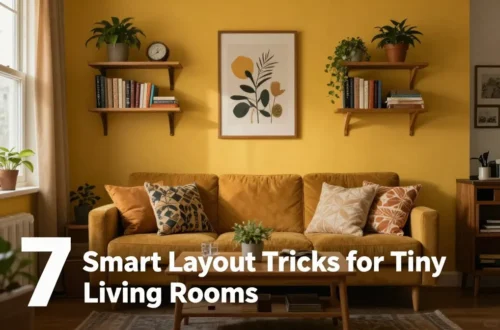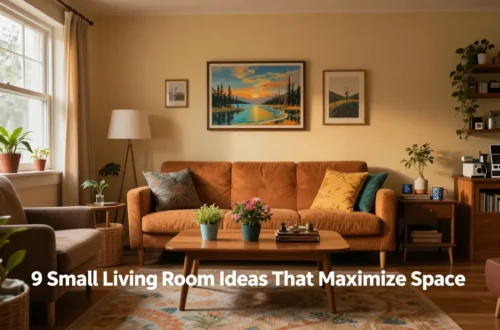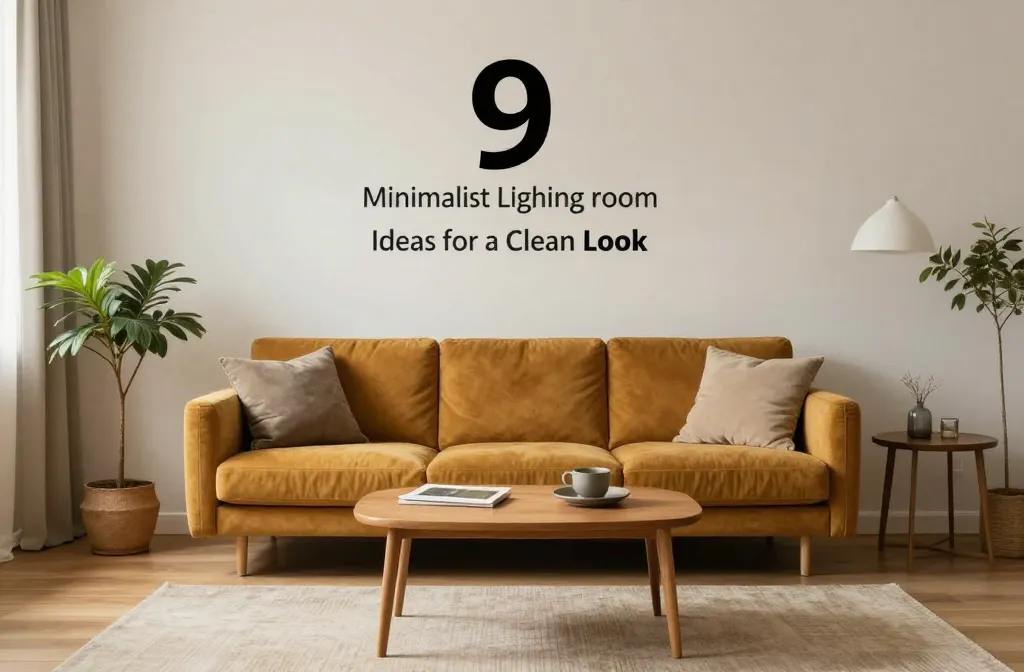
Minimalism doesn’t mean your living room has to feel like a museum or a yoga studio on silent mode. You can create a space that looks clean, feels cozy, and doesn’t scream “I own seven coasters and fear clutter.” Ready to breathe a little? Let’s strip things back—without stripping away personality.
Start with a ruthless declutter (then edit again)
First step: take everything out that doesn’t serve a purpose or spark legit joy. Then look again and remove two more things. Yes, really. You’ll see your space differently once you clear the noise.
Quick wins:
- Hide cables with cord covers and cable boxes.
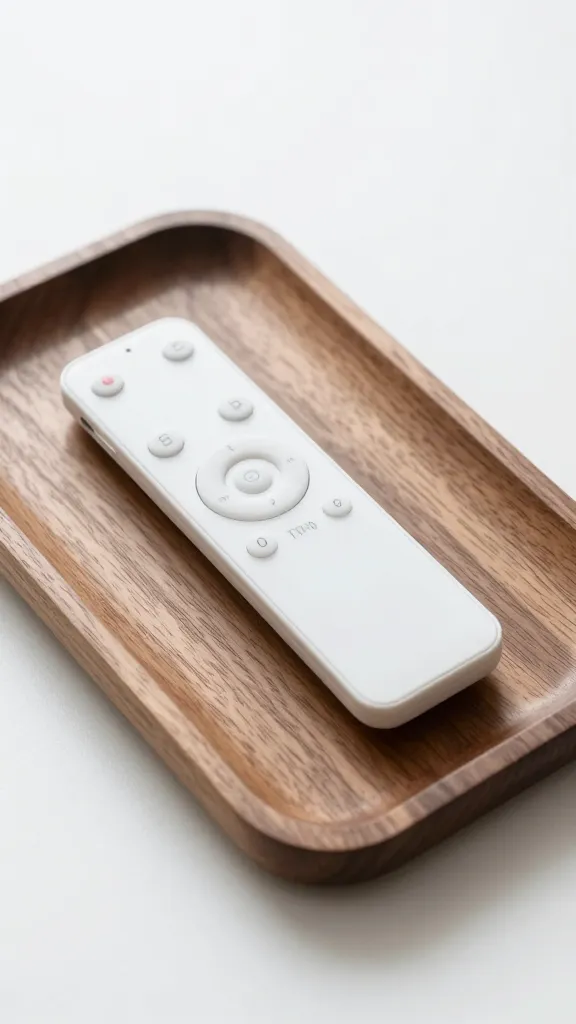
- Store remotes in a drawer or a slim tray.
- Donate decor that you only keep out of guilt.
What to keep in plain sight
Keep 3–5 items on display: a plant, a candle, a coffee-table book, a statement bowl, or one sculptural piece. That’s it. Your surfaces should breathe like they just took a deep yoga inhale.
Pick a restrained color palette (and stick to it)
Choose 2–3 main colors and repeat them across the room. Think warm white, soft gray, and natural wood. Or lean moody with charcoal, cream, and black accents. Consistency = calm.
Pro tip: Paint trims and walls in the same tone for a seamless, minimalist box. It makes the room feel taller and less “choppy.”
Neutrals don’t have to feel boring
Layer tones within the same family:
- Off-white sofa + ivory rug + taupe throw
- Light oak coffee table + walnut frame + rattan basket
- Matte black lamp + black metal legs + slim black picture frame
FYI, a tiny pop—like a moss-green cushion—reads bold in a minimalist setup, so one accent color goes far.
Edit your furniture to the essentials
You don’t need five seating options. You need one good sofa, a chair (maybe two), a coffee table, and lighting. Boom—done. Everything else should earn its floor space.
Look for:
- Low profiles: Sofas with clean lines and no bulky arms.
- Open bases: Furniture on legs to show more floor and feel lighter.
- Integrated storage: Media consoles with doors, coffee tables with shelves.
Scale matters more than you think
Small room? Choose a narrower sofa and a round coffee table to maintain flow. Large room? One big rug and a longer sofa beat a bunch of small pieces that make it feel cluttered (and kind of sad, IMO).
Make texture do the heavy lifting
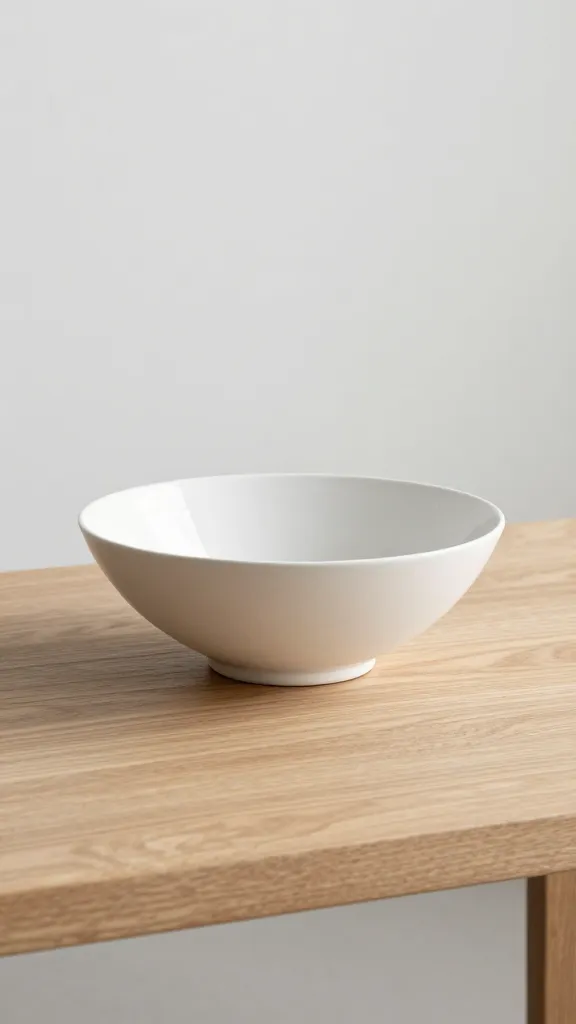
Minimal doesn’t mean flat. You can create warmth with texture so your room doesn’t feel like a fancy waiting area. Mix 3–4 textures and call it a day.
Texture ideas that play nicely:
- Natural wood (oak, ash, walnut)
- Textured rug (wool, jute, bouclé)
- Stone or ceramic accents
- Linen or cotton for throws and pillows
- Matte metal (black, brass, or chrome—pick one)
Rugs do 60% of the visual work
Go large—front legs of your seating on the rug, minimum. Choose solid, low-contrast patterns so the eye doesn’t bounce around the room like it’s on espresso.
Light the room in layers
Overhead lighting alone makes everything harsh. You want a layered vibe: ambient, task, and accent. That’s how you get that “magazine serene” look without, you know, living in a magazine.
Build your trio:
- Ambient: A dimmable ceiling fixture or track lights.
- Task: Floor lamp by the sofa or reading chair.
- Accent: Table lamp or a small sconce near art or shelves.
Warm bulbs (2700–3000K) keep things inviting. Cooler bulbs make everything look like a fitting room—no thank you.
Curate art and objects with intention
One large art piece beats a chaotic gallery wall. If you do a gallery, keep frames consistent and spacing even. Simplicity doesn’t kill personality—it spotlights it.
Keep decor tight:
- 1–2 big pieces on the wall, not ten small ones.
- Books stacked horizontally to reduce visual clutter.
- Bowls, trays, and boxes to corral tiny things into one “visual unit.”
Greenery = instant life
Add one medium plant or two small ones. Fiddle leaf, rubber plant, ZZ plant—whatever you can keep alive. Planters matter: simple, matte, neutral. No neon pots, unless chaos is your brand.
Smart storage that disappears
Minimal rooms hide the boring stuff. You want storage that swallows the mess and looks sleek doing it.
Easy, low-visual-noise options:
- Closed media console for cables and remotes.
- Ottoman with storage for blankets and kids’ toys.
- Floating shelves with doors (or uniform boxes) to keep lines clean.
If you can’t hide it, match it. Uniform baskets or boxes make “stuff” look intentional—like you meant it that way all along.
Choose shapes that calm the room
Too many angles or curves create visual chatter. Pick one dominant shape language and carry it through.
Try these combos:
- Soft minimalist: curved sofa, round table, arched lamp
- Linear minimalist: square sofa, rectangular table, linear sconce
Repeat that shape 3–4 times for cohesion. The eye relaxes when it sees patterns—even subtle ones.
9 minimalist living room ideas you can steal today
- Mount the TV and run cables inside the wall for a clean media zone.
- Swap a bulky coffee table for a slim, round one with storage.
- Keep only two pillow colors on the sofa—repeat them twice.
- Use a single oversized art piece with a thin black or natural wood frame.
- Install a dimmer on your main light—instant mood control.
- Choose one hero material (like light oak) and repeat it in 3 places.
- Place a large neutral rug to anchor the room and make everything feel intentional.
- Style your surfaces with the “3-item rule”: one tall, one low, one organic.
- Leave negative space—an empty corner counts as design, FYI.
FAQ
Will a minimalist living room feel cold?
Not if you layer texture and warmth. Use natural materials, soft lighting, and a few cozy elements like a throw or a boucle chair. The “cold” look happens when everything feels glossy and hard—mix in fabric, wood, and warm bulbs to fix that fast.
Can I do minimalism with kids or pets?
Yes, just choose durable finishes and closed storage. Performance fabric on the sofa, washable slipcovers, and baskets for toys keep things sane. You’ll clean less because there’s less to knock over—win-win, IMO.
How many decorative items should I keep out?
Aim for 3–5 per surface, max. Group them into small vignettes so they read as one visual moment. If it looks busy, remove one thing and step back—it almost always helps.
Do I need to repaint everything white?
Nope. You just need a cohesive palette. Warm taupe, greige, or even deep charcoal can feel beautifully minimalist. Keep contrast low and finishes matte to maintain that calm vibe.
What’s the best minimalist sofa style?
Clean lines, slim arms, and a low-to-medium back. Look for legs that lift it off the floor to keep the space airy. Neutral fabric helps, but you can also do a soft color like sage or sand if it fits your palette.
How big should my rug be?
Big enough that at least the front legs of the sofa and chairs sit on it. Undersized rugs make rooms feel cluttered and choppy. Go larger and the whole space looks intentional and pulled together.
Wrap-up: keep it simple, not sterile
Minimalism doesn’t punish you for owning things—it just asks you to own the right things. Choose fewer, better pieces, repeat a tight palette, and let texture and light do the charm offensive. Edit regularly, hide the mess, and leave a little breathing room. Your living room will look cleaner, feel calmer, and finally match that “ahhh” you want at the end of the day.