Your bathroom feels tiny, and you’re over it. No, you don’t need to knock down a wall or toss your tub on Craigslist. A few smart design tweaks can trick your eyes (and your morning-self) into feeling like you’ve got way more room. Let’s fix the top three culprits that make small bathrooms feel cramped—and make them look and feel bigger, fast.
1) Replace Visual Clutter with Clean, Continuous Lines
Strong horizontal or vertical lines make small spaces feel longer, taller, or just… less claustrophobic. You want everything to look like it flows—no harsh visual stops.
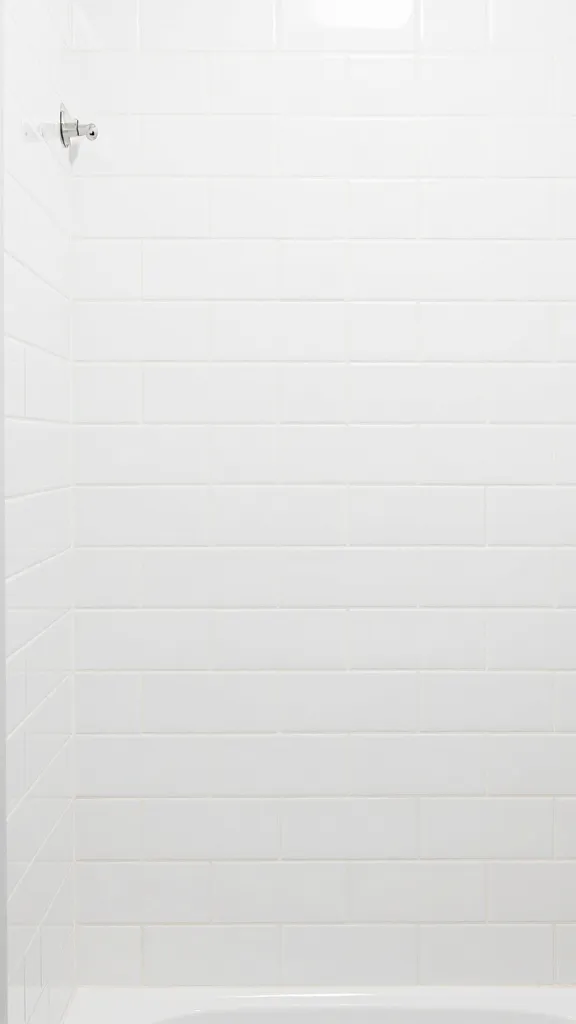
- Tile to the ceiling: Run your shower tile from floor to ceiling. Your walls look taller, and your eye keeps moving upward. Bonus: it looks expensive.
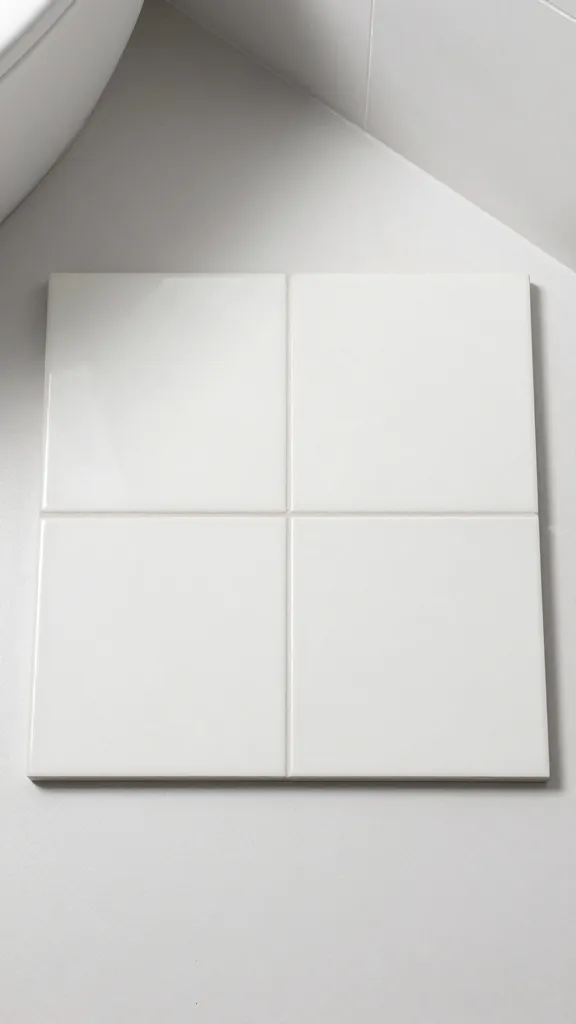
- Large-format tiles: Fewer grout lines = fewer interruptions. Go 12×24 or larger on walls and floors. Yes, you can use big tiles in a small room—IMO it’s one of the best cheats.
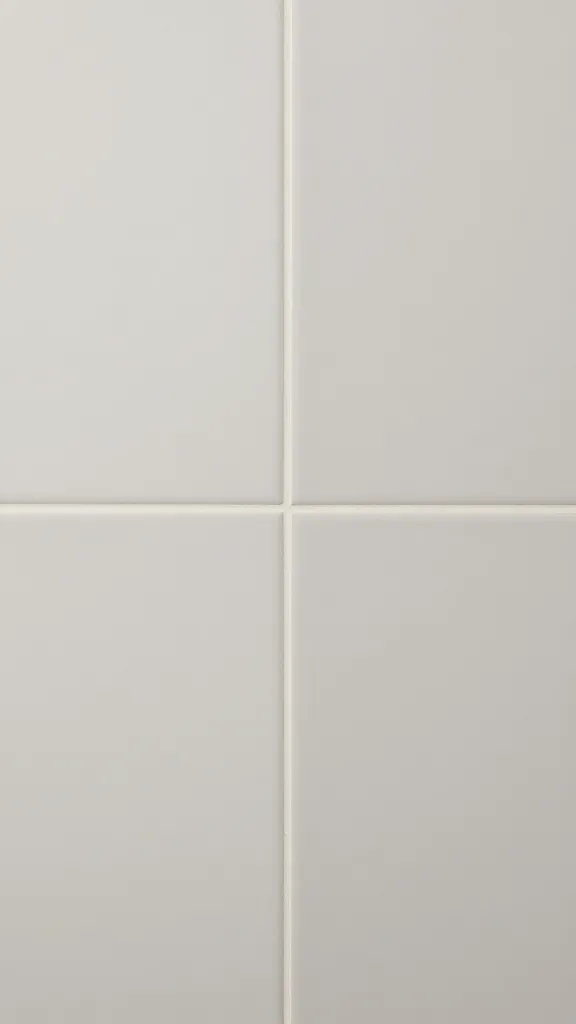
- Match grout to tile: High-contrast grout screams “grid.” Matching grout melts everything into one smooth plane.
What to do with transitions
Use schluter trims or color-matched profiles instead of chunky bullnose. Keep baseboards minimal or tile them for a cleaner finish. When you can, carry the same flooring into the shower with a linear drain so everything feels like one surface.
The mirror trick
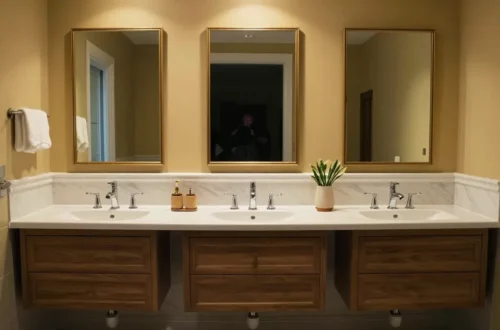
Hang a wide frameless mirror from vanity to wall edge and as close to the ceiling as your lighting allows. It doubles the perceived width and bounces light like crazy. Framed mirrors look lovely in big spaces; in small baths, they add lines you don’t need.
2) Swap Bulky Fixtures for Airy, Space-Saving Alternatives
You don’t need a bigger bathroom; you need slimmer gear. Think “same function, smaller footprint.” Your floor space opens up, and your eyes breathe.
- Wall-hung vanity: Floating vanities expose more floor, which visually expands the room. Go 18–21 inches deep instead of 24 if you can.
- Shallow sinks: Semi-recessed or rectangular sinks with tight radii save counter depth without sacrificing bowl size. It’s basically sink Tetris.
- Concealed traps and slim faucets: Keep profiles low. Chunky hardware = chunky vibe.
- Wall-hung toilet: If you’re renovating, a concealed tank buys you precious inches and a sleeker silhouette.
Trade the tub for a roomy shower (maybe)
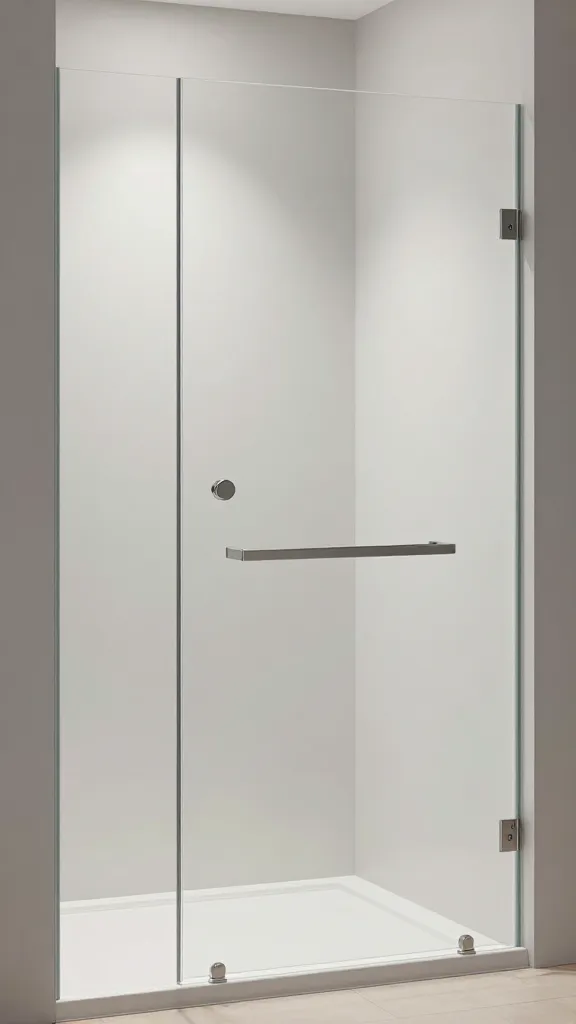
If you never take baths, consider a walk-in shower with a clear glass panel. The open sightline instantly enlarges the room. If you love baths, choose a compact soaking tub with thinner edges—same spa feel, less bulk.
3) Light the Room Like a Set Designer
Lighting changes everything. One sad ceiling bulb makes a small bath feel like a storage closet. Layer your lighting so every corner shows up to the party.
- Ambient + task + accent: Pair a flush or recessed ceiling light with bright, side-mounted vanity lights. Add a small recessed light in the shower for even coverage.
- Side lighting beats top lighting: Sconces at cheek level eliminate shadows and make the mirror area feel wider.
- Warm-neutral temperature: Aim for 2700–3000K. Too cool = hospital. Too warm = cave. FYI, dimmers help your morning and your mood.
Reflect, reflect, reflect
Use glossy or satin finishes strategically. A satin wall tile in the shower and semi-gloss paint on the ceiling bounce light without looking like a disco ball. Metallic accents? Go minimal so they sparkle, not shout.
Color and Contrast: Keep It Tight
You don’t need all-white everything, but you do need restraint. High contrast chops up small rooms. Close-in-toned palettes create that continuous, airy feel.
- One light base color: Soft white, warm taupe, or pale gray-beige sets the stage. Paint the ceiling the same color to blur edges.
- Tone-on-tone layers: Choose a vanity and tile that sit within two shades of your wall color. It reads as one big shape instead of three little ones.
- Accent with texture, not color: Ribbed tile, natural stone veining, or linen-look porcelain adds interest without clutter.
When you want drama
Use a darker floor with matching grout and keep walls light. Or go bold on the vanity and keep everything else hushed. Choose one statement, not five. IMO, restraint makes drama look intentional, not chaotic.
Storage You Don’t See (But Definitely Use)
Visual clutter kills the “bigger” illusion. You can’t hack space without hiding stuff. Build storage into planes you already have.
- Recessed medicine cabinet: Go mirrored and recess it between studs to save inches. Get one with integrated lights if you can.
- Built-in niches: Recess shower niches between studs and line them with the same tile as the walls to keep the look seamless.
- Over-the-toilet cabinets: Choose shallow, wall-hung units with slab fronts. No crown molding needed—clean lines win here.
- Towel bars on doors: Back-of-door storage frees wall space. Use matching hardware so it visually disappears.
Glass and Hardware: Go Invisible (or Close Enough)
If your eye can see across the room without hitting visual speed bumps, the bathroom “grows.” Make your barriers vanish.
- Clear glass shower panels: Skip frosted or busy patterns. A single fixed panel looks modern and keeps lines open.
- Low-profile hardware: Choose slim handles, linear drains, and minimal brackets. Thinner lines = calmer sightlines.
- Frameless where possible: Frames add borders; borders add “stop” signs. Ditch them.
Privacy without shrinking the space
Use a half-height wall at the toilet with tile to match the shower. Or choose lightly textured glass that blurs without blocking light. You get privacy and openness—best of both worlds.
Layout Tweaks That Do Heavy Lifting
Sometimes you only need small shifts, not full renos. Reorienting a fixture or door can completely change the feel.
- Swap a swing door for a pocket or barn door: You’ll reclaim floor space and eliminate door-swing drama.
- Center the vanity: If your vanity crowds a wall, shifting it a few inches can balance the room and make it feel wider.
- Align fixtures: Put the toilet, vanity, and shower in a clean line if possible. Straight lines look spacious; zigzags look busy.
Put It All Together: Three Fixes, One Bigger Feel
Let’s distill the strategy. When in doubt, do these three first:
- Create continuous lines: Tile to the ceiling, match grout, and use big tiles and wide mirrors.
- Choose airy fixtures: Floating vanity, clear glass panel, and shallow sink keep sightlines open.
- Layer your lighting: Bright task lights at the mirror, clean ambient light, and a lit shower. Dimmer for the win.
Do just those and your bathroom will feel a size up—without any demo dust living in your lungs, FYI.
FAQ
Will dark walls make my small bathroom feel smaller?
Not always. A deep, moody color can look great if you keep contrast low and balance it with strong lighting and light floors. The trick: keep the ceiling and trim the same color so edges blur rather than box you in.
Do I need a professional to install a wall-hung vanity or toilet?
For a toilet, yes—get a pro. It involves in-wall framing, plumbing, and exact heights. For a wall-hung vanity, a skilled DIYer can handle it if studs line up and you use proper mounting hardware, but hiring a pro ensures it sits level and supports weight.
What tile size works best for tiny bathrooms?
Large-format tiles usually work best because they reduce grout lines and visual noise. If your floor layout forces lots of cuts, consider mid-size tiles, but still match grout color to the tile to keep the look smooth.
Is a shower curtain or glass better for small spaces?
Clear glass wins for visual space because it removes the barrier. If you prefer curtains, use a ceiling-mounted rod and a plain, light curtain to create height and reduce visual clutter.
How can I add personality without making it feel busy?
Use texture and subtle pattern: ribbed tile, fluted vanity fronts, natural stone veining, or a single art piece with colors pulled from your palette. Keep finishes cohesive—same metal family, similar tones—and let one element take the spotlight. IMO, one hero detail beats five competing ones.
Do heated floors help in small bathrooms?
Functionally, yes—they dry floors faster and feel luxurious. Aesthetically, they let you skip bulky radiators or baseboard heaters, which keeps walls clean and the room feeling bigger. Cozy toes, cleaner lines—no downside.
Conclusion
Small bathrooms don’t need big budgets—they need smart illusions. Stretch your lines, slim your fixtures, and light every corner like it matters. Keep the palette tight, stash the clutter, and let glass and mirrors do the heavy lifting. Do these three fixes, and your “tiny” bath starts punching way above its weight.