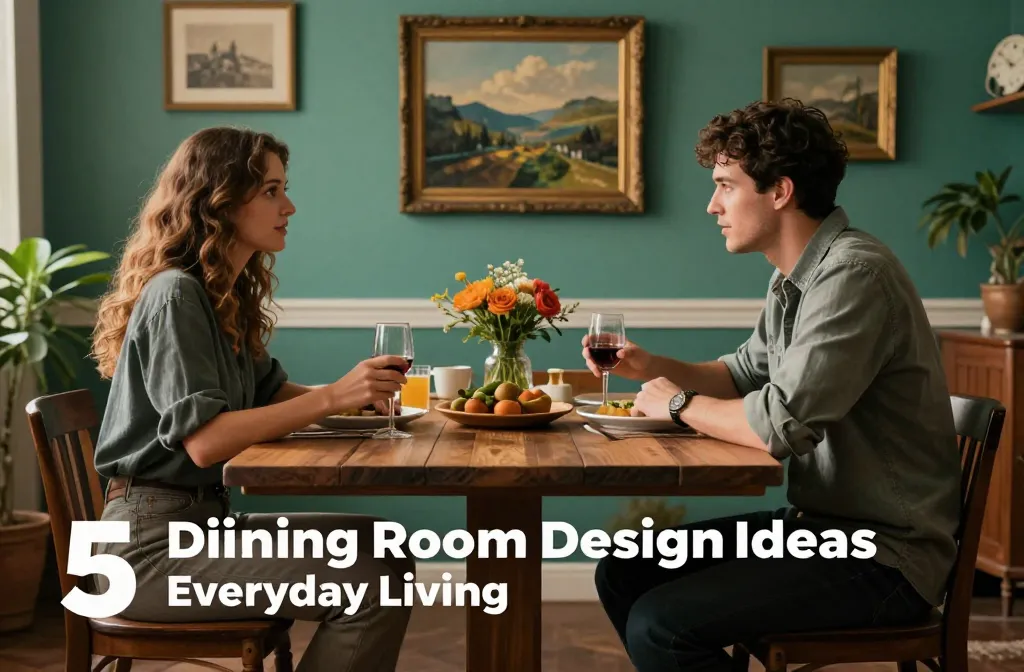
You spend a surprising amount of life at the dining table—breakfast on autopilot, quick laptop sessions, game nights that stretch too long. If your dining room only shows up when company does, it’s underperforming. Let’s fix that with design ideas that look great and actually work for everyday living. Spoiler: comfort and flexibility beat “fancy” every time.
1. Pick a Table That Actually Fits Your Life
You don’t need the biggest table on the block—you need the right one. Measure your space and leave at least 36 inches around the table for comfy movement. If your room runs small, oval and round tables save space and keep traffic flowing.
Materials That Don’t Stress You Out
– Solid wood (oak, walnut, ash): durable and forgiving; scratches blend in with character
– Laminate or high-pressure laminate: budget-friendly and wipeable
– Stone or quartz: sleek and sturdy, but use placemats to avoid etching
– Glass: visually light, but FYI, constant smudges if you have kids or snack gremlins
Extendable vs. Fixed
– Extendable tables: great for small spaces or people who host occasionally
– Fixed tables: more stable and usually look cleaner
– Counter-height? IMO, skip it for daily dining—it’s less comfortable long-term
Pro tip: Aim for 24 inches of table width per person so no one battles elbows at pasta night.
2. Seating You’ll Actually Sit In
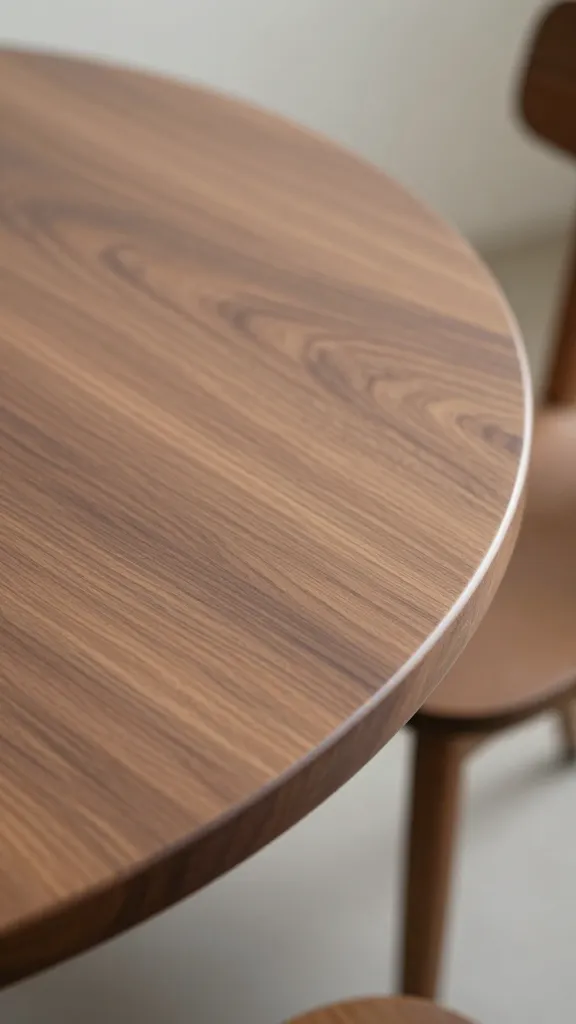
Chairs matter more than you think. If they’re stiff or too low, people eat faster and bolt. Choose cushioned seats or quality wood with ergonomic back support. And yes, mix-and-match chairs look good if you keep finishes cohesive.
Bench vs. Chairs
– Bench on one side: space-saving and kid-friendly
– Chairs all around: more comfortable for longer hangs
– Upholstery? Choose performance fabrics or outdoor-grade materials for stain resistance
Comfort checklist:
- Seat height: 18–20 inches (with standard 30-inch tables)
- Seat depth: 16–18 inches (so you don’t perch awkwardly)
- Chair arms: Check clearance under the table before you buy
3. Light Like You Mean It
Lighting sets the vibe—romantic spaghetti night vs. Tuesday leftovers. Layer it. Use a statement pendant or chandelier over the table, then add wall sconces or a floor lamp for softness.
Height and Size Rules (So You Don’t Guess)
– Hang fixtures 30–36 inches above the table
– Size your fixture at about half to two-thirds the table width
– Use dimmers, always—instant ambiance control
Color temperature: Warm white (2700–3000K) keeps things cozy and makes food look delicious. No interrogation-room vibes, please.
4. Storage That Doesn’t Scream “I Have Too Many Dishes”
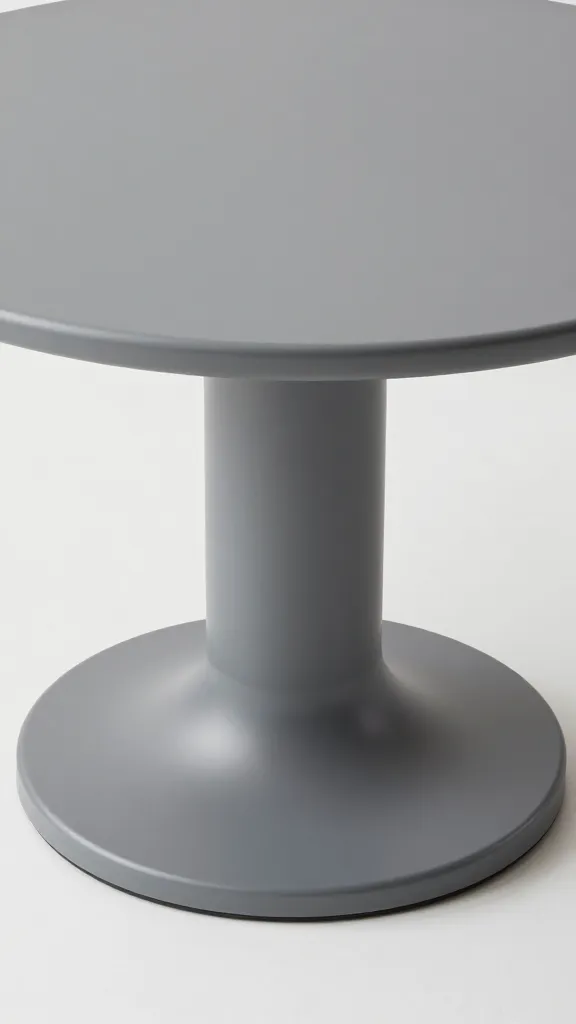
Not every dining room has a built-in hutch, and that’s fine. Choose pieces that hide clutter and still show personality. A low credenza or sideboard can stash linens, candles, and those fancy plates you touch twice a year.
Smart Storage Ideas
- Sideboard with drawers: napkins, cutlery, chargers, place cards (if you’re fancy)
- Open shelves: style plants and bowls; store daily-use items in baskets
- Bar cart: doubles as drink station and dessert landing pad
- Built-in banquette: hidden storage under the seat for tablecloths or board games
Design tip: Match storage height with artwork or a mirror above to create a focal wall. It feels intentional—because it is.
5. Make It Durable, Then Make It Pretty
You want beauty that survives actual life. Think washable rugs, scrubbable paint, and table surfaces that don’t cry over a water ring.
Rugs That Don’t Fear Spills
– Flatweave or low-pile: crumbs don’t get trapped
– Indoor-outdoor rugs: surprisingly soft, easy to clean
– Patterned or variegated: hides small stains—pure wizardry
Paint: Choose eggshell or satin for walls near chair backs. They resist scuffs and clean up nicely.
Set the Mood: Color, Texture, and Art

Yes, dining rooms deserve personality. Use warm neutrals for timelessness, then punch with color in art and textiles. Or lean moody with deep greens or charcoal if your space gets good light.
Easy Style Layers
– Table runner over bare wood for texture (no, you don’t need a full cloth)
– Linen napkins for grown-up points (they wash well, promise)
– A centerpiece that doesn’t block faces: a low bowl, a line of bud vases, or a plant
– Artwork that sparks conversation—vintage posters, abstract prints, or family photos in matching frames
Rule of thumb: Keep centerpieces under 12 inches high. People like seeing each other. Wild, I know.
Flexible Layouts for Real Life
Many dining rooms moonlight as offices, craft zones, or homework stations. Embrace it with pieces that transition fast.
Multi-Tasking Moves
- Laptop basket: toss tech in after work so dinner takes over
- Charging station in the sideboard: hide cords and keep the table clear
- Foldable or stackable chairs: bring extras out only when hosting
- Magnetic or cork wall panel: pin schedules and art without cluttering the table
IMO: If a room only works one day a month, it doesn’t work. Design for Tuesday. Impress on Saturday.
Small Space? No Problem
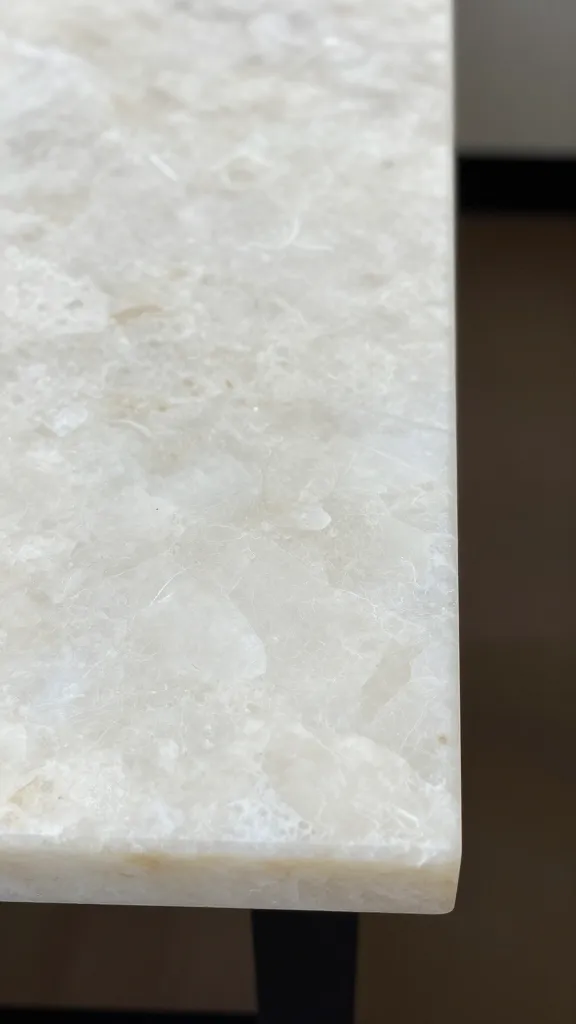
Apartments and cozy homes can still nail a functional dining setup. You just need the right tricks.
Space-Saving Wins
– Wall-mounted drop-leaf table with stowable stools
– Round pedestal table to maximize legroom
– Clear or open-frame chairs to reduce visual bulk
– Large mirror opposite a window to bounce light and open the room
Pro move: Zone the area with a rug that’s big enough—at least 24 inches beyond the table on all sides—so chairs don’t catch. Your sanity will thank you.
Hosting Without the Hassle
You can host, even with an “everyday” setup. Keep a simple hosting kit ready so you don’t spiral before guests arrive.
The Low-Stress Hosting Kit
- Neutral table runner + votive candles
- Cloth napkins in a single color (mix with any plates)
- Serving board for cheese, fruit, or the store-bought stuff you totally “made”
- Pitcher for water or batch cocktails
- Bluetooth speaker pre-loaded with a dinner playlist
FYI: People remember how a space feels, not whether your napkins matched your soul.
FAQ
How big should my dining table be for my space?
Measure your room and subtract 72 inches from both the length and width to allow 36 inches of clearance around the table. Then pick a table that fits within those dimensions. For seating, plan about 24 inches of width per person.
Do I really need a rug under the table?
You don’t need one, but it helps define the space, adds warmth, and dampens noise. Choose a flatweave or indoor-outdoor rug for easy cleaning. Size it so chairs stay on the rug even when pulled out.
What’s the best lighting for a dining room?
Layered lighting wins: a dimmable pendant or chandelier centered over the table, plus ambient lighting from sconces or a lamp. Use warm bulbs (2700–3000K) for a cozy, flattering glow. Bright enough to see your food, not so bright you see every crumb.
How do I make a small dining area feel bigger?
Opt for a round table, armless chairs, and a light color palette. Use mirrors to bounce light and choose furniture on legs to show more floor. Keep clutter off the table with a sideboard or wall shelves.
What table finish holds up best with kids or lots of use?
Solid wood with a matte or satin finish hides wear well and can be refinished. High-pressure laminate also performs great and wipes clean easily. If you love stone, use coasters and placemats to avoid etching—consider quartz for durability.
How can I mix different chair styles without it looking chaotic?
Keep one element consistent—color, material, or seat height—and vary the rest. For example, all black frames with different back shapes. Anchor the set with matching end chairs for a pulled-together look.
Wrap-Up: Make It Work for Real Life
Design your dining room for the meals you actually eat, the projects you actually do, and the people you actually welcome in. Choose a table that fits, seating that feels good, lighting that flatters, and storage that hides the chaos. Layer in color, texture, and art so it feels like you—not a furniture catalog. Do that, and everyday dining starts to feel a little special. And on Saturday? You’re already party-ready.