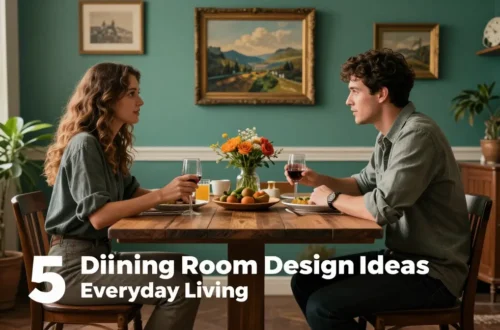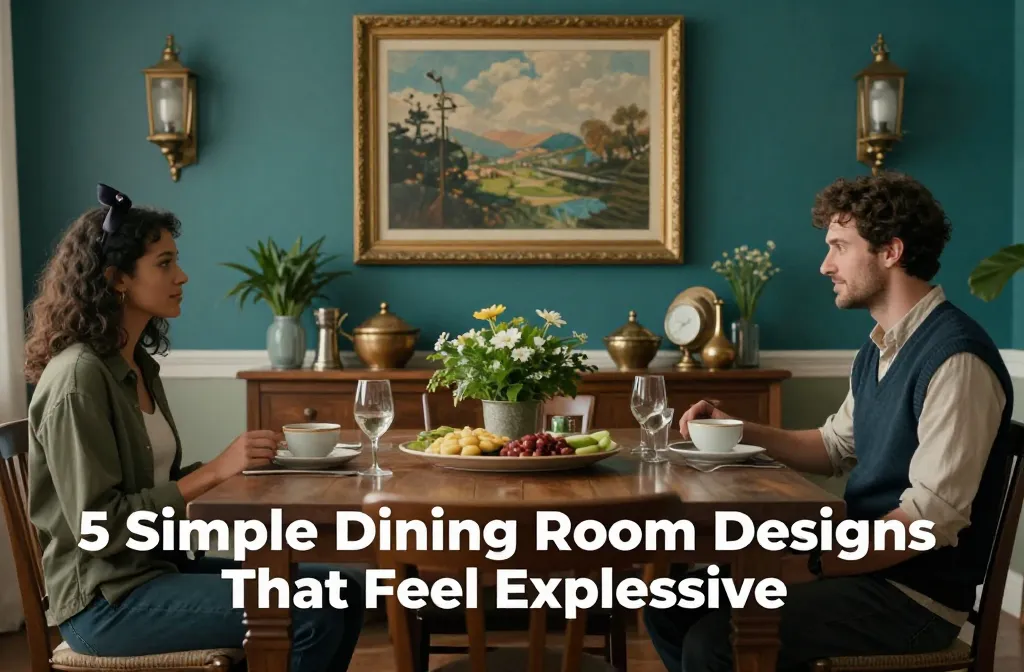
Everyone deserves a dining room that makes guests say, “Wait… how much did this cost?” (and then you smile mysteriously). You don’t need a designer on retainer or a chandelier that costs more than your car. You just need a few smart choices that fake a high-end vibe. Ready to make your space look luxe without burning your budget? Let’s dig in.
Start with a Statement Table (But Don’t Overspend)
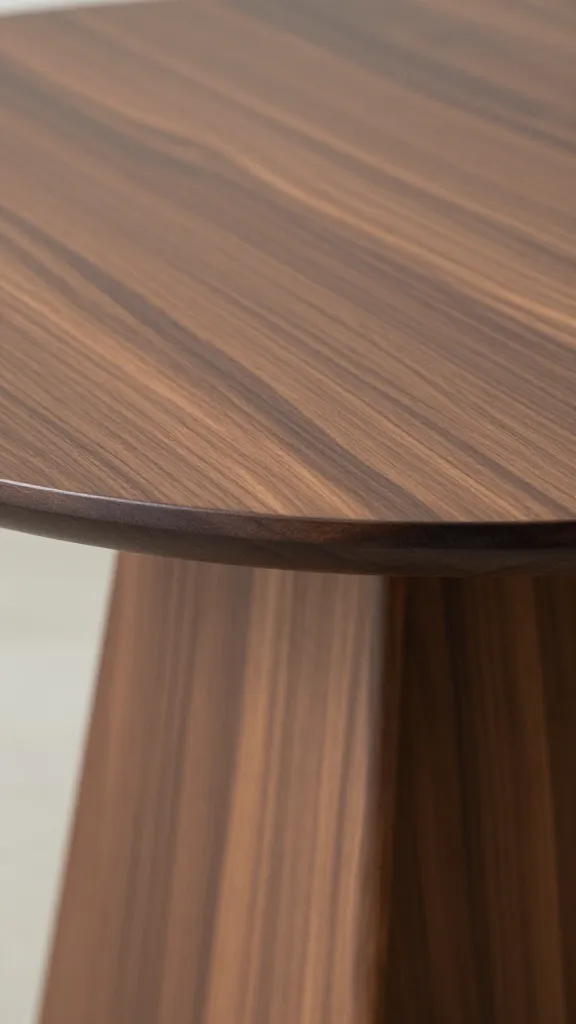
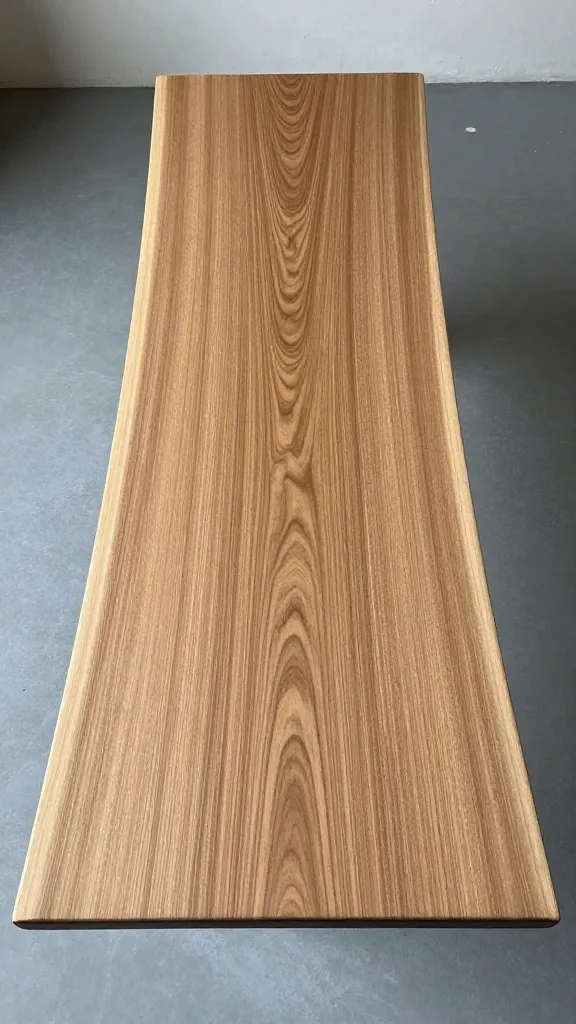
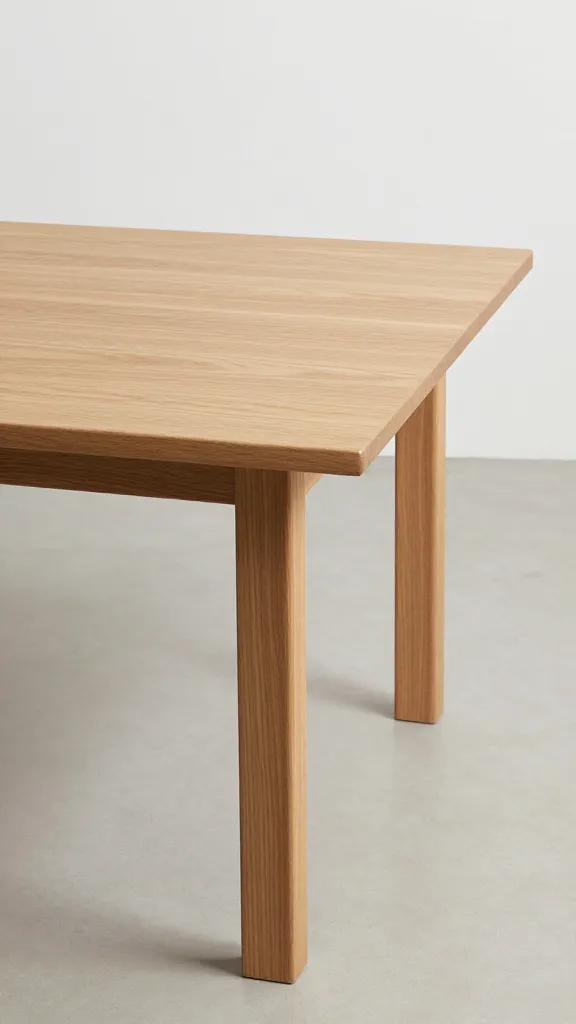
Your table anchors the entire room, so choose one that looks substantial and intentional. You want clean lines, solid construction, and a finish that reads elevated. Hint: a simple wood slab or a pedestal base feels expensive without trying too hard.
- Go for scale: Size up if your room allows. A slightly larger table instantly looks custom.
- Pick simple silhouettes: Avoid overly ornate legs and busy detailing. Quiet luxury > loud design.
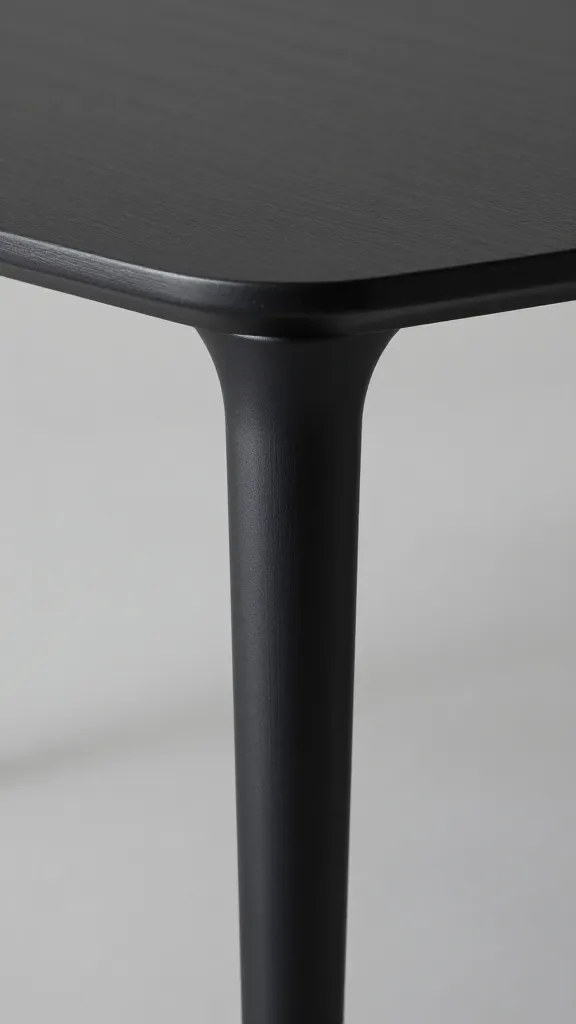
- Choose forgiving finishes: Oiled oak, walnut, or matte black metal hide everyday wear better than glossy lacquer.
Budget-Friendly Table Hacks
- Find a vintage base and add a new top (IKEA countertop + thrifted base = chef’s kiss).
- Opt for an extendable table so you host big nights without storing extra furniture.
- Skip “faux marble” that looks plasticky. If you love stone, try travertine-look porcelain or a stone veneer top.
Mix Your Chair Styles Like a Pro
Matchy-matchy sets can feel flat. Mix two chair styles for a collected, designer feel. Think upholstered captains’ chairs at the ends and sleek wood side chairs along the length. Contrast creates interest, and interest reads expensive.
- Combine textures: Pair linen or bouclé with smooth wood or powder-coated metal.
- Keep heights similar: Vary styles, not proportions. Your eye should flow smoothly.
- Repeat a color: Tie chairs together with one repeating tone—black legs, oak backs, or a consistent fabric family.
Chair Selection Shortlist
- Wishbone-style chairs for airiness and sculptural lines.
- Channel-tufted captains’ chairs for a tailored look.
- Minimalist metal chairs for contrast (and easy cleaning, FYI).
Layer Lighting Like You Mean It
If you only change one thing, make it lighting. A killer pendant or chandelier makes people think you blew the budget—without actually doing it. Then add layers so everything looks intentional, not harsh.
- Center a bold fixture: Oversized beats undersized. Aim for about 1/2 to 2/3 the width of your table.
- Dim all the things: Add a dimmer so dinner can go from bright and chatty to moody and romantic.
- Mix sources: Use a pendant, plus a floor lamp or sconces, plus candlelight. Triangulate that glow.
Winning Pendant Styles
- Linear fixtures over long tables for symmetry and drama.
- Clustered glass globes for soft, luxe light.
- Woven or pleated shades for warmth (IMO, these soften modern rooms beautifully).
Use Color and Texture Like a Stylist
Color sets the mood. Texture adds depth. Together, they fake “custom” faster than you can say “designer markup.” Keep your palette tight—two to three main hues and plenty of neutrals.
- Go tonal: Layer shades of the same color—e.g., warm taupes, creamy whites, and caramel woods.
- Add texture intentionally: Linen curtains, a nubby rug, matte ceramics, ribbed glass. Texture whispers luxury.
- Say yes to contrast: A dark table with pale chairs. A light rug under a black pedestal base. Tension = interest.
Wall Treatment Upgrades
- Paint half the wall in a deeper shade for visual height.
- Add simple picture-frame molding—precut kits make this shockingly doable.
- Try grasscloth or textured wallpaper on one wall. Instant boutique vibe.
Style the Table (and Room) with Restraint
Clutter kills the luxe vibe. Curate instead. Choose a few heavy-hitting accessories and call it a day.
- Centerpiece rules: One low, sculptural piece—like a wide ceramic bowl or a chunky vase with branches—beats a million tiny trinkets.
- Runners over full cloths: A textured runner shows off your table while still softening the look.
- Elevate the everyday: Cloth napkins, solid flatware, and simple glassware make weeknight pasta feel fancy. Yes, you deserve it.
Open Storage That Looks Intentional
- Use a sideboard to stash the chaos and display a tight collection—think 3-5 pieces max.
- Lean large art or a mirror above the sideboard for depth without drilling fifty holes.
- Corral small items on a tray so it reads styled, not scattered.
Play the Big Moves: Rugs, Art, and Mirrors
Large pieces make rooms feel designed. Tiny art and micro rugs scream “temporary.” Go big and anchor the space.
- Size the rug right: All chair legs should sit on the rug when pulled out. Look for flatweave or low pile so chairs glide smoothly.
- Hang oversized art: One big piece beats a cluttered gallery wall in dining spaces. Save the collage for the hallway.
- Use mirrors smartly: Opposite a window, a mirror doubles light and views. Just avoid reflections of kitchen messes—no one wants that at dinner.
Art That Feels Expensive (Without the Price)
- Printable art in a chunky frame—upgrade the mat for a custom look.
- Textile hangings or vintage maps for texture and story.
- Black-and-white photography for timeless drama, IMO.
Little Details That Secretly Matter
Small choices separate “nice” from “wow.” Tweak these and your dining room instantly levels up.
- Hardware swap: Change sideboard knobs to solid brass or matte black.
- Switch plate glow-up: Replace dingy plastic with metal or paintable covers.
- Drapery height: Hang curtains high and wide to fake taller ceilings.
- Greenery: A single leafy branch in a tall vase beats a bouquet of sad supermarket flowers, FYI.
FAQ
How big should my dining table be for the room?
Leave at least 36 inches between the table edge and walls or furniture so people walk and pull chairs comfortably. If you entertain often, choose an extendable design. When in doubt, tape the footprint on the floor and do a “chair dance” test.
What dining chair fabric holds up best?
Performance fabrics like stain-resistant polyester blends or treated cotton-linen mixes work great. Faux leather also cleans easily and looks elevated. If you love a light fabric, add a fabric protector—your future self will thank you.
Do I need a rug under the dining table?
No rule says you must, but a rug warms the space and defines the zone—especially in open plans. Choose a flatweave or indoor-outdoor material so crumbs don’t disappear forever. Aim for at least 24 inches beyond the table on all sides.
What height should I hang my chandelier?
Hang it about 30–36 inches above the tabletop for standard 8–9 foot ceilings. For taller ceilings, add a couple of inches. Center it over the table, not the room—especially if the table sits off-center.
How do I make a small dining room feel bigger?
Choose armless chairs, a round table, and a light-toned rug to open up sightlines. Add a mirror opposite a window, keep your palette tight, and use a pendant with a slim profile. Edit accessories hard—visual breathing room is your best friend.
Is mixing wood tones a design crime?
Not at all. Keep undertones compatible (warm with warm, cool with cool), and repeat each wood at least twice so it looks intentional. Add a black or brass accent to stitch everything together.
Wrap-Up: Your Dining Room, But Elevated
You don’t need a lottery win to nail that “expensive” dining look. Pick a strong table, mix chair styles, layer lighting, and keep textures rich but restrained. Go big on rugs and art, tweak the small details, and boom—your Tuesday night takeout just got a five-star backdrop. Now set the dimmer, pour something nice, and accept the compliments gracefully (or not—your call).