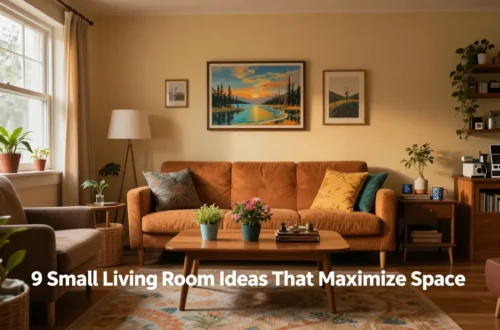
Neutrals don’t scream for attention. They whisper. And that’s exactly why they last. If you want a living room that looks chic this year, next year, and the year after your third plant dies (RIP Fernanda), stick to neutrals. Here’s how to make a neutral living room feel timeless, layered, and very much alive.
1. The All-About-That-Base: Layered Neutrals
Start with a calm base and build up. Think creamy walls, soft gray upholstery, natural wood, and textured rugs. It’s like dressing a great white tee with a killer jacket and the right sneakers.
Key moves:
- Pick a primary neutral (warm white, greige, stone) and stick with it for walls and big pieces.
- Add 2-3 supporting neutrals with different depths: taupe, oatmeal, charcoal.
- Vary textures like linen, boucle, wool, leather. Texture = interest without color chaos.
Pro tip: Temperature harmony
Keep undertones consistent. Warm walls with warm woods; cool grays with black metal. Mix warm and cool on purpose only if you love contrast and control it. FYI, undertones decide if your room feels inviting or a little sterile.
2. Soft Minimalism (Not the Cold Kind)
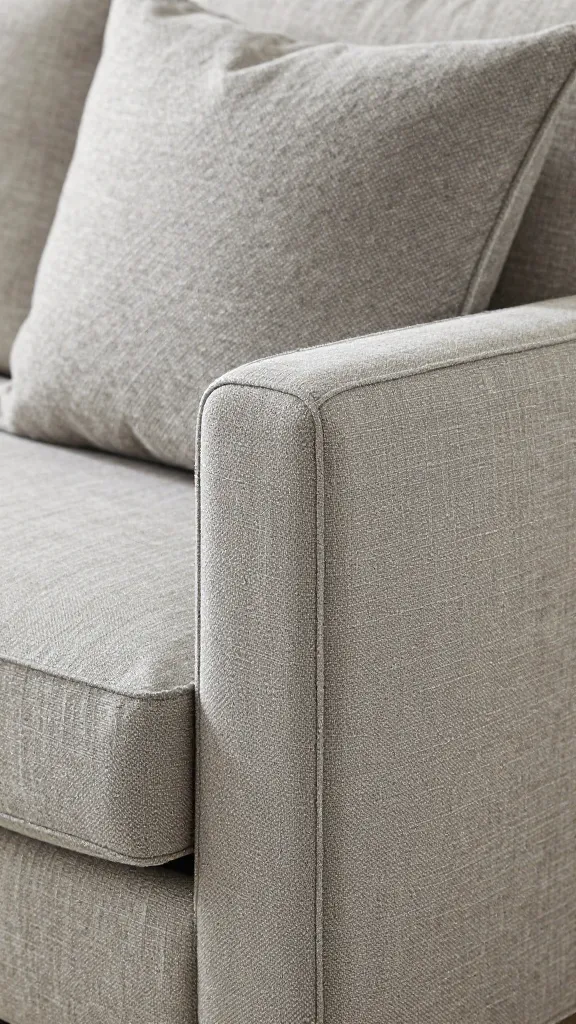
Minimal doesn’t mean boring. It means intentional. Choose fewer pieces, but make them count. Big sofa, sculptural coffee table, one striking floor lamp—done.
Why it stays timeless:
- Clean lines never date as fast as trends.
- Quality materials patina instead of age badly.
- Open negative space lets your room breathe.
How to keep it cozy
Add softness where your eye lands: a chunky knit throw, a textured rug, and a pillow or two that look expensive (even if they’re not—IMO, invest here if you can).
3. Nature’s Neutrals: Wood, Stone, and Woven Everything
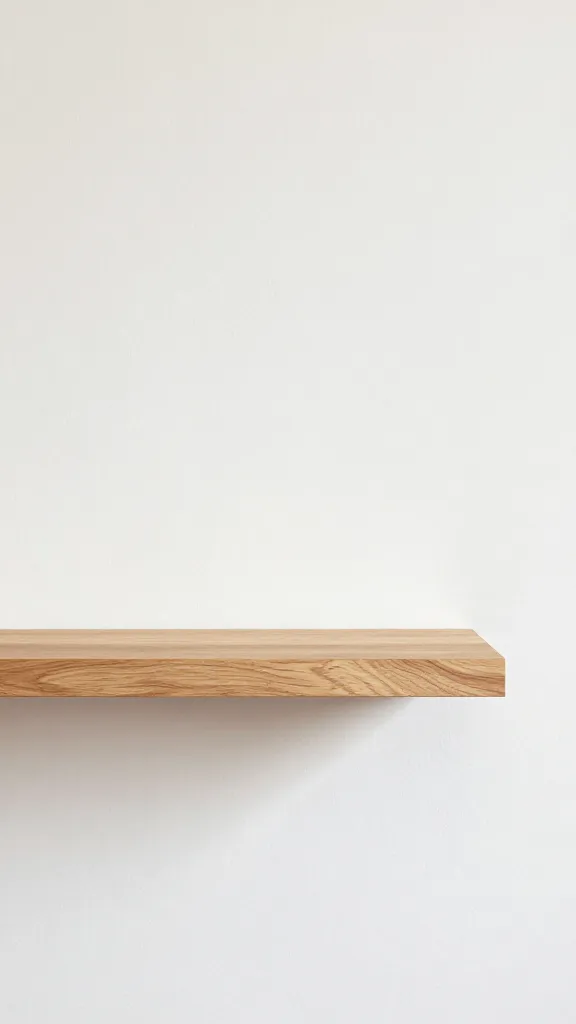
Bring the outside in, minus the bugs. Natural materials add soul to a neutral room. You’ll never regret a gorgeous wood coffee table or a limestone side table.
Try these combos:
- Light oak + jute + linen: airy and coastal without the seashell cliches.
- Walnut + wool + leather: rich and grounded—hello, grown-up living room.
- Travertine + boucle + black metal: refined with a slight edge.
Balance the palette
If your floors run dark, go lighter on upholstery and rugs to keep things fresh. Lighter floors? Introduce medium and dark accents to avoid a washed-out look.
4. Black Accents: The Neutrals’ Eyeliner
A little black adds definition the way eyeliner defines eyes. You don’t need much—just enough to sharpen the vibe.
Easy wins:
- Black metal lamp or side table
- Thin black picture frames
- Matte black hardware on a media cabinet
Keep it matte or satin for a refined feel. Gloss reads fancy, which can skew more glam than timeless (unless glam is your love language, then go for it).
5. Textiles That Do the Heavy Lifting
In a neutral room, textiles bring the drama—quietly, of course. Mix scales and textures so everything doesn’t blur into “beige soup.”
Textile playbook:
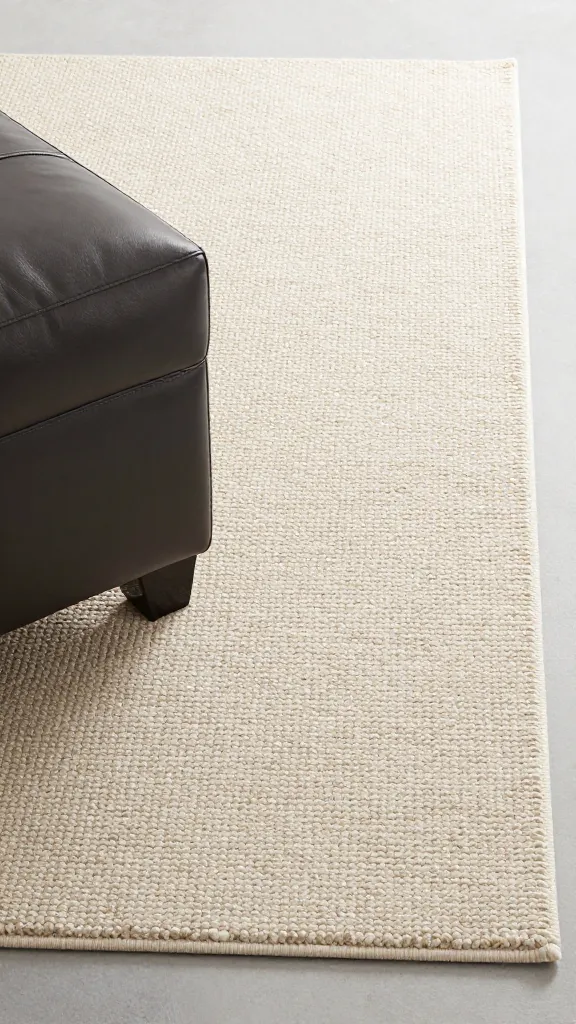
- Rug: Choose a size that anchors all main seating. Go natural fiber or a soft blend. Pattern? Subtle and tonal works best.
- Pillows: Vary texture, not color. Layer linen with boucle, velvet with cotton.
- Throws: Drape strategically (not like a blanket avalanche).
- Curtains: Hang them high and wide for that “oh, your ceilings are tall” illusion.
Pattern without regret
Stick to small-scale geometrics, herringbone, or micro-stripes. They stay timeless and play nicely with everything else.
6. Tone-on-Tone Art and Styling
Art doesn’t need neon to make a point. Monochrome or neutral tone-on-tone pieces look elevated and won’t fight your furniture.
Ideas that work every time:
- Abstracts in charcoal, cream, and taupe.
- Black-and-white photography with big mats.
- Textural art—plaster, relief, linen-backed frames.
Styled surfaces, not cluttered surfaces
Edit coffee table decor to 3-5 pieces: a tray, a candle, a sculptural object, and a book stack. Style shelves with breathing room. Your eyes need rest spots.
7. Curves + Angles = Instant Classic
Mix curvy and straight silhouettes for balance. A structured sofa pairs perfectly with a round coffee table or a curvy accent chair. The contrast keeps it interesting.
Timeless silhouettes to consider:
- Slouchy-but-tailored sofa (not too puffy, not too stiff)
- Barrel or bouclé accent chair
- Slim, linear media console
- Round or oval coffee table to soften the grid
IMO: avoid the matchy-matchy set
Buying a full living room set makes your space feel flat. Mix finishes and shapes instead. Your room will look designed, not delivered.
8. Lighting Layers (Because Overhead Light Isn’t Enough)
Don’t let your ceiling fixture do all the work. Layer your lighting so your room shifts from “morning coffee” to “movie night” easily.
The three layers you need:
- Ambient: Overhead or flush mount for general glow (dim it, always).
- Task: Floor or table lamps for reading and actual living.
- Accent: Picture lights, sconces, or a tiny lamp on a shelf—yes, that’s a thing.
Pick warm bulbs (2700K–3000K) for a soft, cozy vibe. Cool light turns your home into a doctor’s office—hard pass.
9. The 10% Rule: Gentle Pops Without Breaking Neutral
If you crave a little color, keep it to 10% of the room. That way, the base stays calm, but the space still feels personal.
Smart places for color:
- One accent pillow or throw that rotates with seasons
- Fresh greenery or branches for life and movement
- Books with pretty spines on the coffee table
Want to skip color entirely? Use high-contrast neutrals instead—ivory with espresso, camel with charcoal. Drama, but make it neutral.
FAQ
How do I stop a neutral living room from feeling bland?
Layer texture like it’s your job. Combine nubby rugs, smooth leather, soft linen, and natural wood. Add black accents for definition, curate your art with tone-on-tone pieces, and vary shapes with both curves and angles. Bland happens when everything shares the same texture and tone—mix it up.
What wall color works best for a timeless neutral look?
Choose a warm white or soft greige with balanced undertones. Test swatches in morning and evening light because lighting changes everything. A few reliable families: creamy off-whites, putty beiges, and pale greiges that don’t skew yellow or blue.
Can I mix warm and cool neutrals?
Yes, if you do it intentionally. Anchor the room with one temperature, then sprinkle the other as accents. For example, warm oak and cream can handle a charcoal gray sofa. Keep it 70/30 so it looks layered, not confused.
What rug size should I use in a neutral living room?
Bigger than you think. At minimum, front sofa legs and chairs should sit on the rug. Ideally, the whole seating area lands on it so the room feels grounded and cohesive. A too-small rug makes even a great room feel cheap—FYI, this is the most common mistake.
How do I choose timeless furniture?
Look for simple lines, solid construction, and natural materials. Avoid overly ornate details or fads (RIP, weird glossy finishes). Prioritize a comfortable, well-made sofa and a durable coffee table. Trendy pieces can rotate in as small accents.
What’s the easiest upgrade on a budget?
Swap pillow covers, add a textured throw, and bring in a larger neutral rug. Then edit your surfaces and re-style with a few sculptural objects or stacked books. Small changes, big vibe shift.
Wrapping It Up
Neutrals never shout, but they always deliver. Build a layered base, mix textures and shapes, add a few black accents, and light it well. Keep color restrained, edit with confidence, and your living room will look polished today and five years from now. Easy, timeless, and seriously good-looking—what more do you want?