
You don’t need a showroom budget to make your dining room look designer-level. You just need a few strategic moves that pros never skip. Think of these as the cheat codes that make any dining space feel pulled together, flattering, and a little bit fancy. Ready to steal three of the best tricks? Let’s go.
Start With the Table: Scale, Shape, and Breathing Room
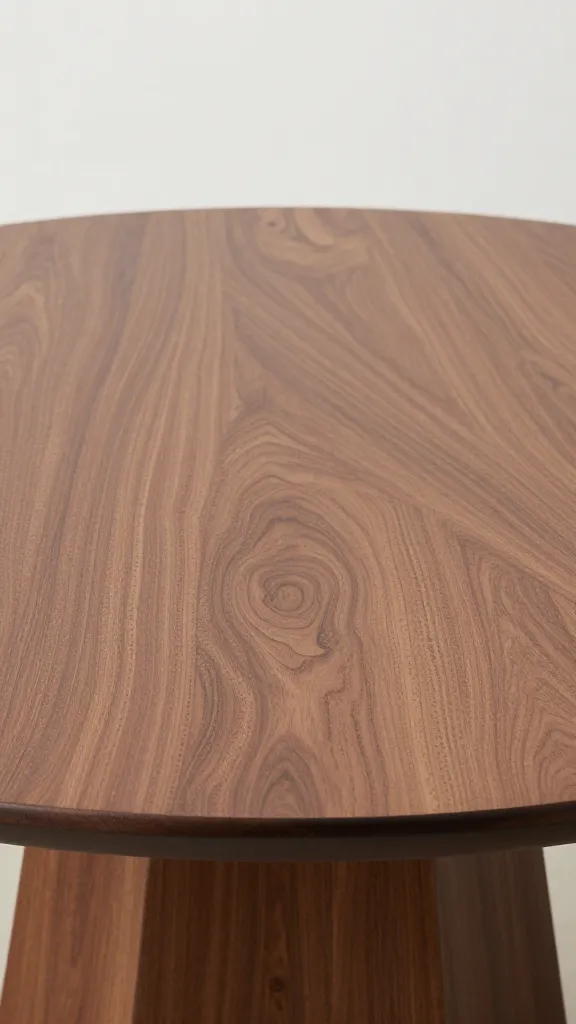
You build everything around the table, so pick it like a pro. Aim for a size that leaves at least 36 inches of clearance from the table edge to the wall or furniture. That space keeps everyone from crab-walking to their seat, and it instantly makes the room feel intentional.
Choosing the Right Shape
– Rectangular rooms love rectangular or oval tables. Symmetry wins, and it looks grown-up.
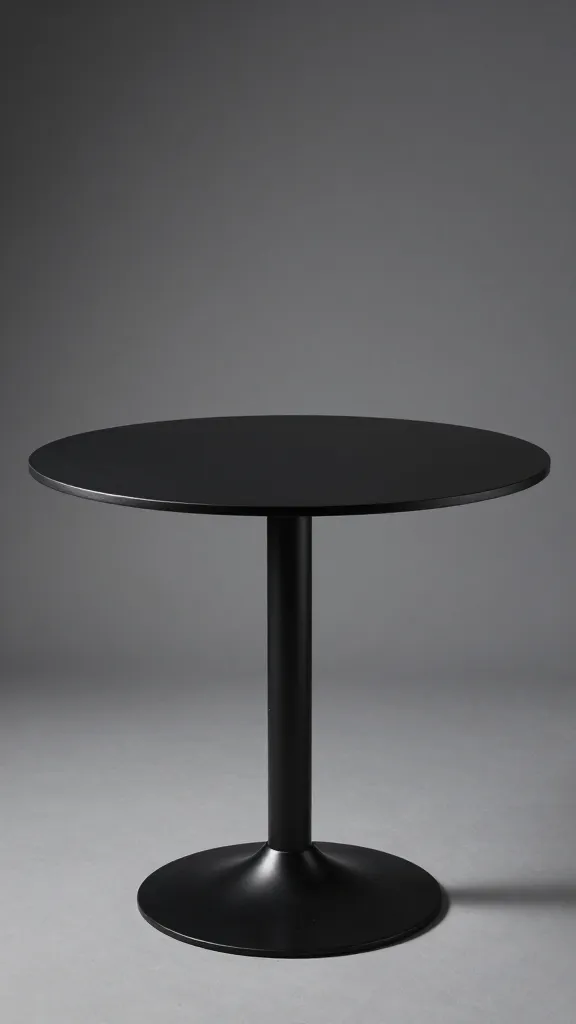
– Square rooms shine with round tables. Everyone gets equal “face time,” which makes dinners feel cozier.
– Oval tables soften a boxy room and keep traffic flowing. No bruised hips from sharp corners.
Material Matters (More Than You Think)
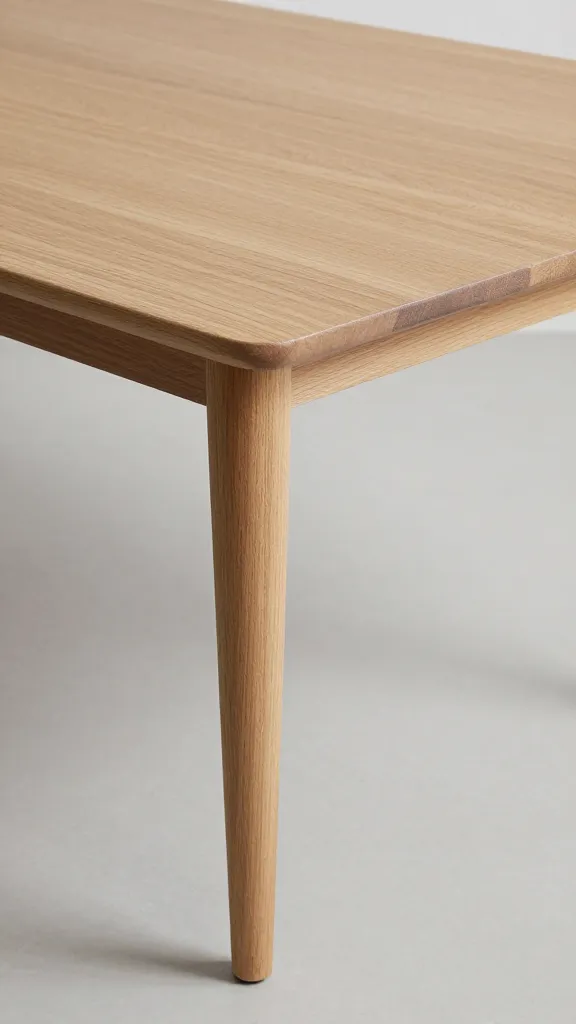
– Wood brings warmth and hides daily wear. Great for families and neat freaks who pretend they’re casual.
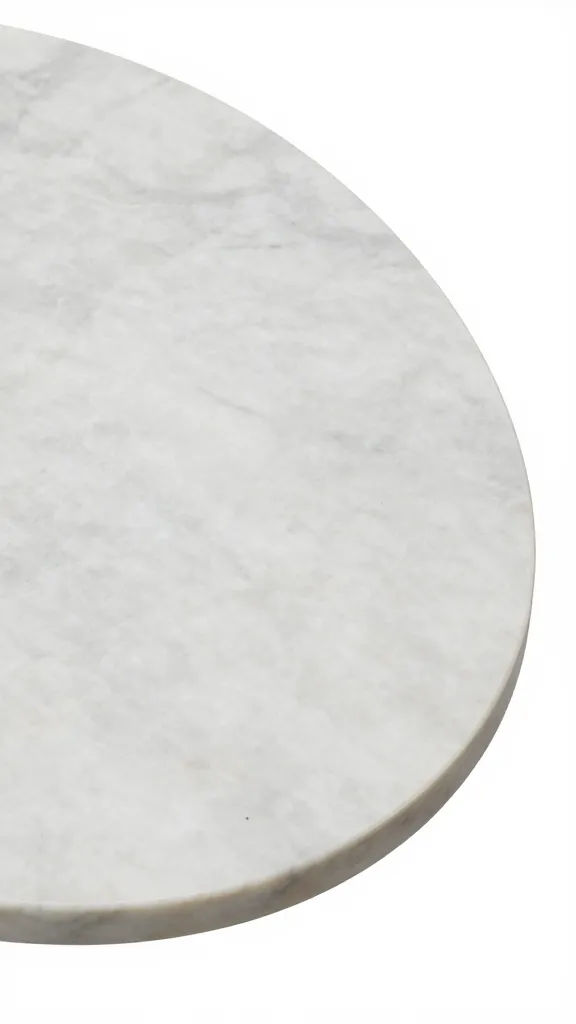
– Stone or quartz reads luxe and modern. Wipe spills fast or accept patina with pride.
– Glass opens up small rooms but shows fingerprints. If smudges stress you out, skip it.
Pro move: If you host often, consider an extendable table. It stays compact day-to-day, then grows on command like a party trick.
Light It Like a Designer (Chandelier + Layers)
Designers treat lighting like makeup: it flatters, defines, and hides flaws. You want three layers—ambient, task, and accent. Yes, in a dining room.
Get the Chandelier Right
– Size: Take the room’s length + width in feet, and that number (in inches) gives a good chandelier diameter. Example: 12′ x 14′ room → 26″ fixture. Not exact science, but it’s spookily accurate.
– Height: Hang the bottom of the fixture 30–36 inches above the tabletop for an 8-foot ceiling. Add 3 inches for every extra foot of ceiling height.
– Dimmers: Non-negotiable. You want bright for board games and moody for meatballs.
Layer the Light
– Ambient: chandelier or pendant. The big moment.
– Task: buffet lamps or a floor lamp if you’ve got a corner bar cart. Yes, task lighting in a dining room—we still pour wine and read menus.
– Accent: wall washers, picture lights, or candles. Candles count, even battery ones. Zero judgment.
FYI: Warm bulbs (2700K–3000K) make people look great and food look delicious. Cool bulbs make you feel like you’re eating at the dentist. Hard pass.
Frame the Scene With a Rug (And Make It the Right Size)
Designers almost always put a rug under the dining table. It zones the room, adds texture, and protects flooring. But size makes or breaks it.
Rug Sizing Rules That Never Fail
– Add 24 inches on all sides beyond the table. Chairs should sit fully on the rug even when pulled out.
– If in doubt, size up. A too-small rug makes the room look like it shrunk in the wash.
– In open plans, the rug acts like a stage—your dining set is the headliner.
Fiber Choices (Because Spaghetti Happens)
– Performance synthetics (polypropylene, polyester) clean easily and bring pattern without stress.
– Wool resists stains naturally and lasts forever, but expect a higher price.
– Indoor/outdoor rugs inside? Totally legal. They’re kid-proof and pet-proof, IMO.
Pro move: Pattern hides crumbs and stains. It’s basically camouflage for pasta night.
Dial In the Seating Mix
Chairs do more than seat people—they set the vibe. Designers rarely do a full matching set unless that’s the point. Mix shapes or fabrics to keep it interesting.
How to Mix Without the Chaos
– Keep one element consistent (wood tone, metal finish, or upholstery color) so the set feels connected.
– Add host chairs at the ends with arms or different fabric for instant polish.
– Prioritize comfort. If your guests stand to stretch after 20 minutes, the chair failed the vibe check.
FYI: Seat height should land 10–12 inches below the table’s underside. That gives knees room and keeps elbows at a comfortable angle. No T-Rex arms at dinner, please.
Style the Walls: Mirrors, Art, and Texture
The walls anchor the room’s personality. Designers use them to create depth, bounce light, and tell a story.
Mirrors for Magic
– A large mirror opposite a window doubles natural light. It’s like Vitamin D for your dining room.
– Round mirrors soften sharp angles. Bonus: they look good over a buffet.
Art That Fits the Table
– Keep art at eye level—center at about 57–60 inches off the floor.
– One big piece beats lots of tiny ones in a busy dining setup. Less visual noise = more calm.
– Over a sideboard, leave 6–8 inches of space between the top of the furniture and the art.
Texture You Can Feel
– Wallpaper adds instant drama. Grasscloth brings subtle texture; bold prints bring personality.
– Wainscoting or picture frame molding adds depth without clutter.
– Paint in saturated shades (deep green, navy, merlot) makes meals feel intimate and designed on purpose.
IMO: If you fear bold color, try it in the dining room first. You don’t live in there all day, so you won’t tire of it quickly.
Set the Surface: Layered Centerpieces That Don’t Annoy People
Designers love a quiet, layered centerpiece that enhances conversation and doesn’t block faces. No one wants to peep around a floral bush to see Aunt Linda.
Centerpiece Formula That Works Every Time
– Start with a runner or tray to ground the arrangement.
– Add a low vase or bowl with seasonal greenery or fruit. Yes, a bowl of lemons still slaps.
– Flank with candlesticks or low lanterns. Mix heights for interest, keep everything under 12 inches tall.
– Edit. If you need to move six things to set down a dish, you’ve gone too far.
Pro move: Keep a “swap kit” handy—extra candles, a bud vase, and a mini stem bundle. Refresh in 60 seconds before guests arrive and look wildly put together.
The Three Tricks, Summed Up
Let’s be crystal clear about the big three designers always use:
- Perfect the proportions. Choose the right table size and shape, leave breathing room, and scale your chandelier correctly.
- Layer the lighting. Chandelier + dimmers + accent lights = instant mood and flexibility.
- Anchor with a rug. Right size, right material, and a pattern that hides, well, life.
Do those three and the rest—chairs, art, and styling—becomes the fun part.
FAQ
How big should my dining table be for my space?
Measure your room and subtract 72 inches from both the length and width to account for 36 inches of clearance on all sides. What’s left gives your max table footprint. If you need flexibility, consider an extendable table with leaves.
What height should I hang my chandelier?
Aim for 30–36 inches above the tabletop for an 8-foot ceiling. Add roughly 3 inches for every additional foot of ceiling height. Keep the fixture centered over the table, not the room, if the table shifts slightly from center.
Do I really need a rug under the table?
You don’t need one, but it elevates the room fast. It defines the zone, adds texture, and protects floors. If you go rug-free, balance with upholstered chairs or heavier drapery so the room doesn’t feel echoey or cold.
What chair materials are best for families?
Performance fabrics, leather, or wood seats with removable cushions win. They clean easily and hold up. If you love light upholstery, pick a performance weave and keep a fabric cleaner on standby—future you will thank you.
How many lumens do I need for dining room lighting?
Plan roughly 30–40 lumens per square foot for layered lighting across the room, then dim for dinner. For example, a 150-square-foot room needs about 4,500–6,000 lumens total from all sources combined. Warm bulbs (2700K–3000K) keep things flattering.
Can I mix different wood tones and metals?
Absolutely. Mix with intention: repeat each finish at least twice in the room so it feels cohesive. For example, black metal on the chandelier and chair legs, walnut on the table and a picture frame. It reads designed, not random.
Conclusion
You don’t need a decorator on speed dial to nail your dining room. Get the proportions right, layer your lighting, and anchor everything with a just-right rug. Then have fun with chairs, art, and a low-key centerpiece. Do that, and your dining room will look designer-approved—and more importantly, it’ll make people want to linger for dessert.