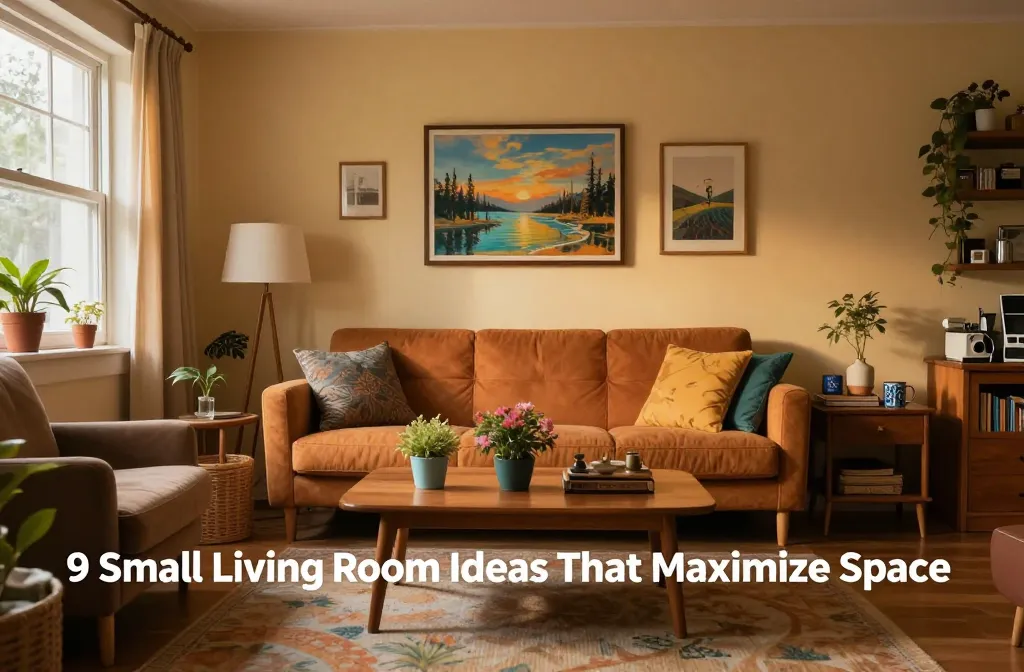
Your living room is tiny, and yet your stuff insists on being enormous. We’ve all been there—tripping over coffee tables and apologizing to the couch for breathing too close to it. Good news: you don’t need a bigger home, just smarter moves. These small living room ideas pack a punch and make your space work harder than a four-shot espresso.
Float the Furniture (Yes, Really)
Pushing everything against the walls feels logical—until it makes the room look like a waiting area. Try floating your sofa a few inches off the wall or creating a cozy conversation zone in the center. It gives the illusion of breathing room and keeps traffic flowing.
Use a Slim Console Behind the Sofa
A narrow console table behind a floating sofa adds a landing zone for lamps, drinks, or a sneaky charging station. Bonus: it creates a subtle division without blocking natural light.
Rugs Define Space
Place a rug under the front legs of your sofa and chairs. That simple anchor visually “frames” the seating area so the room feels intentional, not haphazard.
Go Vertical Like You Mean It

You can’t grow square footage, but you can fake height. Draw the eye up with floor-to-ceiling curtains, tall bookcases, or stacked art.
- Hang curtains high: Mount the rod 4–6 inches above the window or just below the ceiling line.
- Use vertical shelving: A tall, narrow bookcase takes up minimal floor space and stores a ton.
- Stacked art: Hang two or three frames vertically to elongate the wall.
Built-Ins on a Budget
Line up matching bookcases, paint them the same color as your walls, and boom—fake built-ins. It looks custom without the custom price tag. IMO, painting shelves to match the wall color makes them visually recede.
Multipurpose Furniture Is Your MVP
Small rooms need furniture with hidden talents. If a piece can’t work double duty, it’s auditioning for a role it won’t book.
- Storage ottoman: Coffee table by day, blanket cave by night.
- Nesting tables: Pull them out for guests; tuck them away when you want space again.
- Sleeper chair or loveseat: Host without sacrificing half the room to a bulky sofa bed.
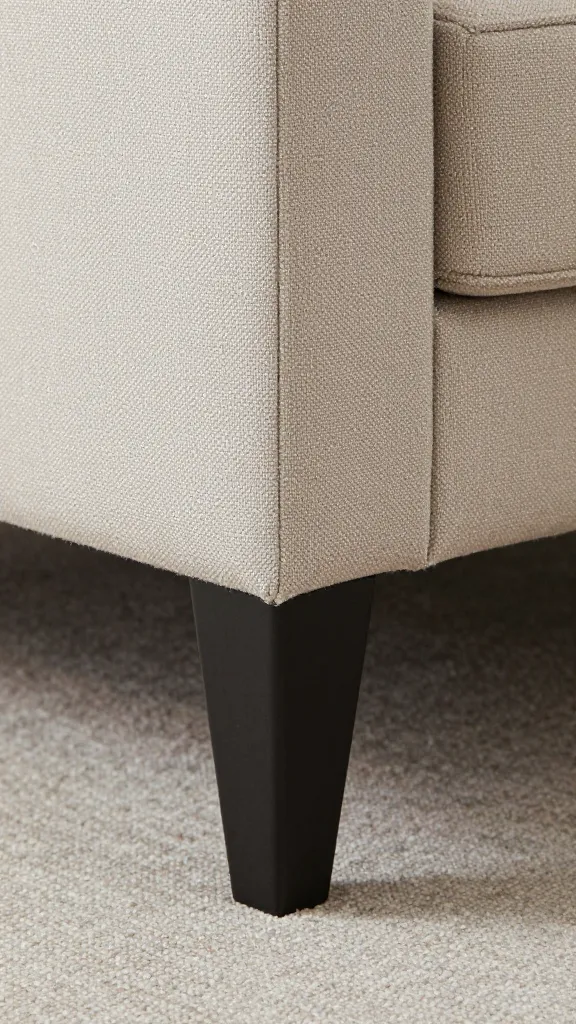
Choose Pieces on Legs
Furniture with visible legs shows more floor, which makes rooms look airier. Chunky bases eat visual space. FYI: even swapping a skirted sofa for a leggy one changes everything.
Light It Like a Set Designer
Ceiling light alone equals harsh and flat. Create layers: overhead for general use, task lamps for reading, and accent lights to highlight art or shelves.
- Wall sconces free up floor and table space.
- Plug-in sconces look fancy with zero rewiring.
- Glass or light-shade lamps keep things bright and unobtrusive.
Mirrors Are Cheating (In a Good Way)
Place a large mirror across from a window to double the light and—optical illusion alert—the visual size of the room. Oversized mirrors beat a cluster of small ones, both in effect and style.
Scale Down, Don’t Shrink
You don’t need dollhouse furniture; you just need balanced scale. Pick a streamlined sofa with a slimmer arm profile. Skip the hulking sectional unless it fits like a glove.
- Right-size coffee table: Aim for about two-thirds the width of your sofa.
- Avoid overly deep pieces: Depth matters more than width in tight rooms.
- Armless or open-sided chairs keep sightlines clear.
One Bold Piece Beats Five Small Ones
A statement sofa or art piece anchors the room better than a dozen tiny things. Lots of small items add clutter; one hero item adds character.
Corners Are Prime Real Estate
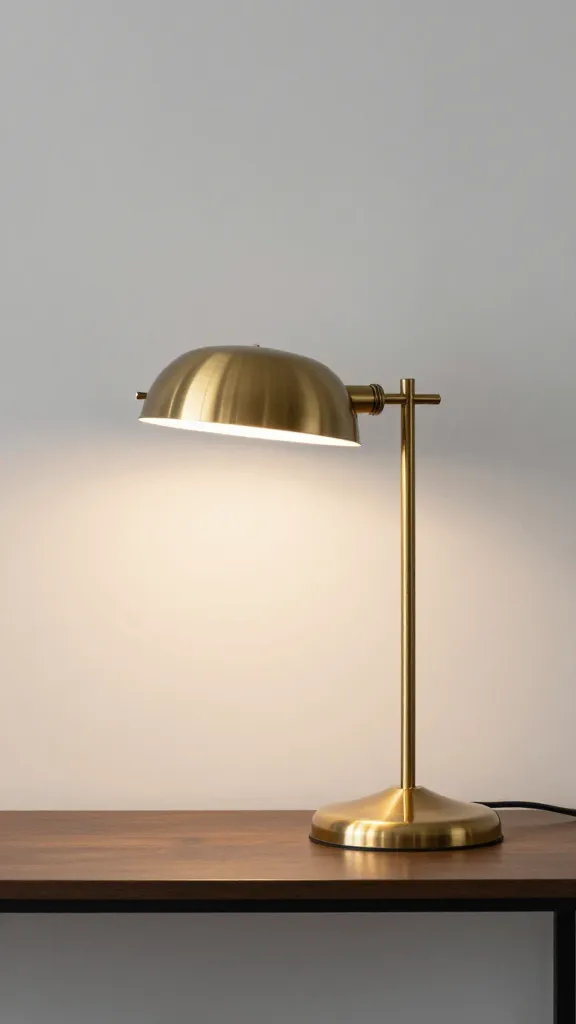
Stop letting corners sit there and do nothing. Fill them with function.
- Corner shelves for plants, speakers, or books.
- Swivel chair that pivots between conversation and TV.
- Compact corner desk for work-from-couch-but-actually-productive vibes.
TV Placement That Doesn’t Dominate
Mount the TV slightly off-center if needed to use corner space. Tuck components in a low profile cabinet or a wall-mounted shelf to free the floor.
Declutter With Style (a.k.a. Hide the Chaos)
Clutter shrinks rooms faster than dark paint ever could. Store smart, not sad.
- Baskets with lids = instant toy and cable amnesty.
- Closed storage for the ugly stuff, open shelves for the pretty things.
- Trays corral remotes, candles, and coasters so surfaces look intentional.
Create a Drop Zone
Hooks by the door, a slim shoe rack, and a catchall bowl stop clutter before it migrates to your sofa. Think of it as pest control for mess.
Color, Pattern, and Material Magic
Color can stretch or squeeze a room—choose wisely. Light to mid-tone walls make spaces feel open. Dark colors can work too, but ground them with light textiles and mirrors.
- Limit your palette to 2–3 main colors and one accent to avoid visual noise.
- Go tonal: different shades of the same hue = calm and cohesive.
- Use glass and acrylic for tables or shelves to cut visual bulk.
Pattern With Restraint
Mix patterns, but keep scale in check. Try one large-scale pattern (rug), one medium (pillows), and one subtle texture (throw). It reads layered, not loud. IMO, stripes on a rug are the easiest “stretch” trick.
Layout Tweaks That Work in Real Life
Not sure where to start? Steal one of these simple layouts that almost always work in small rooms:
- Sofa + 2 chairs facing each other with a compact coffee table, rug centered.
- Chaise sofa against the long wall, swivel chair floating opposite, nesting tables.
- Bench instead of a second chair to keep sightlines clean and seating flexible.
Traffic Flow Matters
Leave 18 inches between seating and tables. Keep 30–36 inches as a walkway where possible. If it feels like an obstacle course, adjust until it doesn’t.
FAQ
What size rug works best in a small living room?
Go bigger than you think. Choose a rug that fits under the front legs of your main seating pieces. Small “postage stamp” rugs chop up the room and make it feel smaller.
How do I choose the right sofa for a tiny space?
Look for lower-profile arms, narrow depth (32–36 inches if possible), and visible legs. A tight-back sofa (no loose back cushions) saves depth and looks tailored. Measure your doorways too—future you will thank you.
Can I use dark paint in a small living room?
Yes, but balance it. Pair dark walls with light curtains, rugs, and reflective surfaces. Add multiple light sources so the room feels moody, not cave-like.
What’s the best coffee table shape for small rooms?
Round or oval tables earn their keep because you can move around them easily. If you need storage, try an upholstered ottoman with a tray on top for drinks.
How do I make a small living room work for entertaining?
Use flexible seating: stools that tuck under consoles, a bench that slides under a window, and nesting tables. Keep a couple of lightweight chairs nearby that you can pull in. Lighting and music do the rest.
Should I mount my TV or use a stand?
If you want to free up floor space, mount it. Use a slim wall-mounted shelf or a small cabinet for components. Just keep cords wrangled—visual clutter kills the vibe fast.
Wrapping It Up
Maximizing a small living room isn’t about cramming in less—it’s about choosing smarter. Float a piece here, raise a curtain there, and let multipurpose furniture do the heavy lifting. With a few savvy swaps, your small space will feel bigger, brighter, and way more useful. And hey, fewer square feet just means less vacuuming—silver linings.