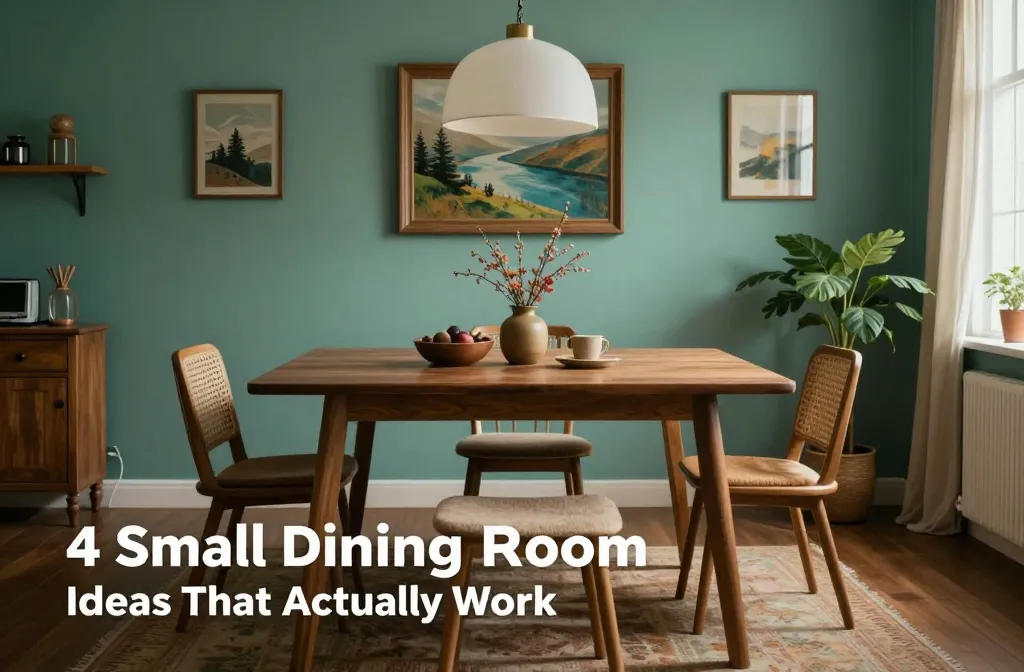
Your dining room might be small, but your dinner party dreams don’t have to be. Great layouts beat square footage every time, and yes—you can seat real humans without everyone doing chair yoga. Let’s skip the lofty design-speak and get into four layouts that actually work in normal homes with normal furniture.
The Café Nook: Round Table, Big Energy
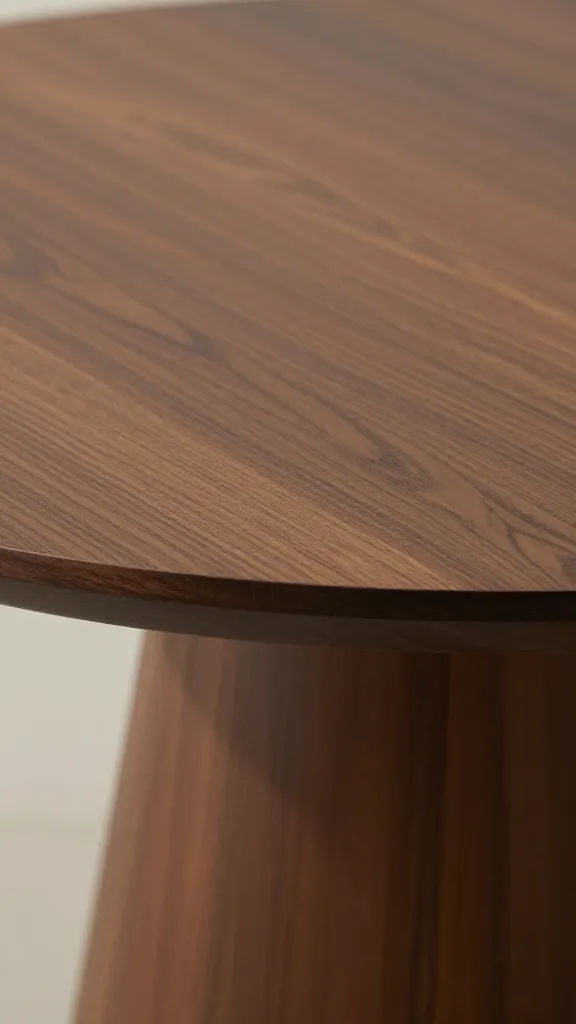
Round tables are the MVPs of small dining rooms. They keep corners out of your shins and let people slide in easily. If your space doubles as a walkway, a small pedestal round table wins even more—no legs to fight for.
How to pull it off
- Table size: 36–42 inches seats 4 without elbow wars.
- Base matters: Choose a pedestal base to free up legroom and squeeze in an extra chair when needed.
- Rug strategy: Use a round rug that’s at least 6 inches wider than the table on all sides. Still nervous? Skip the rug for easy chair movement.
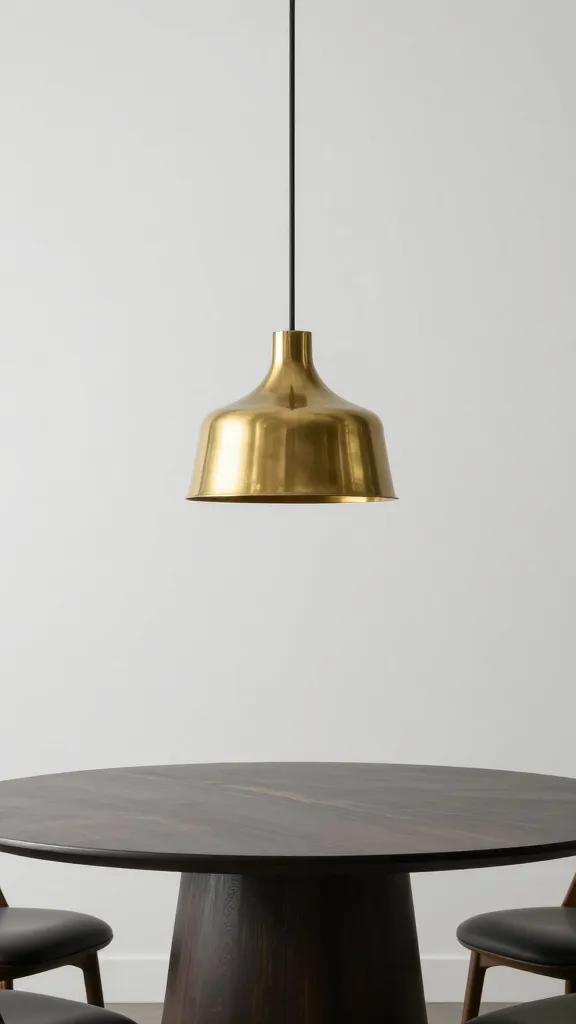
- Lights, camera: Center a pendant light over the table to visually claim the space (even if your dining area just piggybacks on the living room).
Best for
- Open-plan corners that need a “zone” without walls
- Square rooms or awkward alcoves
- People who hate bruised hips (so, everyone)
The Banquette Boost: Built-In (or Faux) Bench + Slim Table

When space runs tight on one side, push seating against the wall. A banquette (built-in or freestanding bench) lets you shove the table closer to the wall and still seat more people. Also, it looks cozy—and makes you feel like brunching at home counts as a plan.
How to pull it off
- Depth sweet spot: 18–20 inches deep for comfy back support.
- Table shape: Rectangular or oval, 28–30 inches deep if you want a slim profile that won’t hog the room.
- Storage bonus: Choose a lift-up bench or drawers under the seat for linens and random candles you pretend you don’t hoard.
- Back cushions: Add plush pillows to adjust seat depth for kids and shorter guests.
Layout tips
- Float the table: Leave 12–15 inches between the banquette and table edge so people can slide in easily.
- Chairs opposite: Use two to three light chairs (or a narrow bench) on the open side for flexible seating.
The Narrow Room Fix: Wall-Hugging Table (That Still Feels Social)
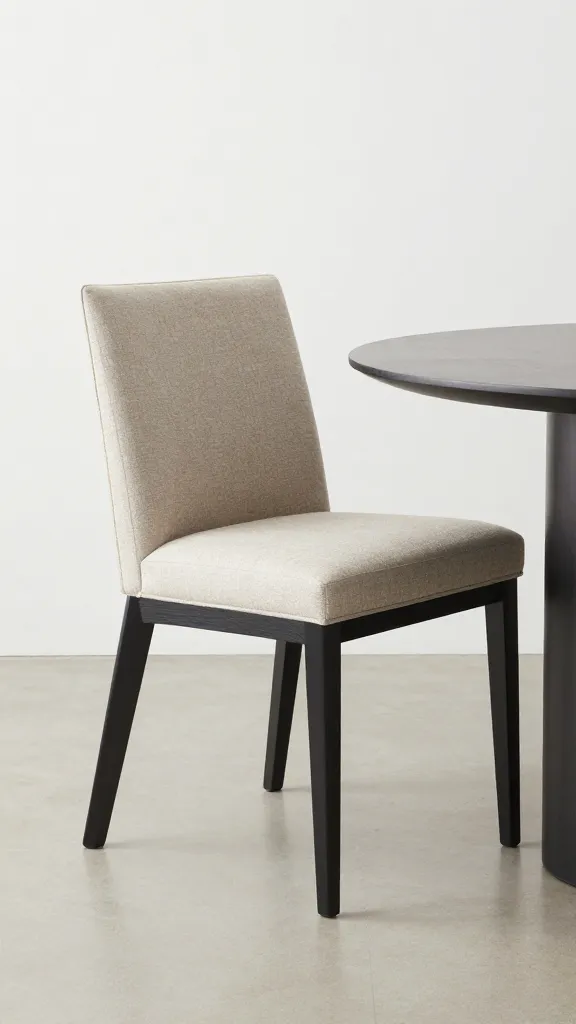
Got a bowling-lane dining room? Don’t fight the long, skinny proportions. Instead, run a slim table along one wall and face the chairs inward. You’ll keep the walkway clear and still host without elbow-jabbing.
How to pull it off
- Table depth: 24–28 inches max for tight rooms.
- Chair choice: Armless, low-back chairs tuck fully under the table to save space (and your toes).
- Mirror magic: Hang a large mirror above the table to bounce light and fake more width—yes, it actually helps.
- Center it visually: Anchor with a runner and a linear sconce or two for balance.
When to choose it
- Rooms under 8 feet wide
- Spaces that double as hallways or entries
- If you want back-to-wall seating (hello, cozy corner vibes)
The Fold-and-Flex: Drop-Leaf or Gateleg for Small-But-Mighty Spaces
If your dining room pulls triple duty (office, craft spot, cat throne), use a table that grows and shrinks on command. Drop-leaf and gateleg tables slide from “two people and pasta” to “four friends and tacos” in seconds. FYI, this is the rental hero move.
How to pull it off
- Everyday mode: Keep one leaf up, push the flat side against the wall.
- Entertaining mode: Pull the table out, pop both leaves, and add a couple of stackable or folding chairs.
- Chair storage: Tuck folding chairs behind a curtain, in a closet, or hang them on hooks.
- Consistency: Keep the same palette on chairs and table for cohesion—small rooms love unity.
Traffic Flow That Doesn’t Trip You Up
Great layouts die fast if people can’t move. Leave enough clearance and you’ll avoid the awkward “sorry for bumping your chair for the fifth time” moments.
- Chair-to-wall clearance: Aim for 36 inches for comfy passage. Minimum 30 if you must.
- Table height: Standard 28–30 inches. Chair seat height 17–19 inches. Keep a 10–12 inch difference for leg comfort.
- Round vs. rectangular: Round fits small squares. Rectangular suits narrow rooms. Oval softens tight pathways.
- Leggy furniture: Pieces with visible legs feel lighter than chunky bases. Visual air = actual ease.
Storage and Style Without the Bulk
You don’t need a hulking buffet to store napkins. Choose compact pieces that multitask and keep the room airy.
Smart storage ideas
- Shallow console: 12–14 inches deep holds serveware without eating up floor space.
- Wall shelves: Floating shelves for glassware, art, and that one plant you keep alive.
- Bar cart: Rolls out for parties, tucks away on weekdays.
- Bench storage: Banquette drawers or lift-tops hide everything in plain sight.
Visual tricks that work
- One big art piece instead of a busy gallery wall—less clutter, more impact.
- Light rugs and curtains to bounce light and keep the room feeling open.
- Glass or gloss finishes reflect light and visually slim bulky shapes.
Lighting That Makes Small Look Intentional
Lighting sells the layout. It defines zones, flatters faces, and stops the cave vibe.
- Single star: Center a pendant 30–34 inches above the table surface.
- Layered look: Add a floor lamp or sconces for depth and dimmability. Warm bulbs only, IMO.
- Plug-in hacks: Can’t hardwire? Use a plug-in pendant with a ceiling hook and call it a day.
FAQ
How big should a dining table be for a small room?
For four people, a 36–42 inch round table or a 28–32 by 48–60 inch rectangular table usually works. Prioritize a pedestal base for rounds and slim legs for rectangles. Leave at least 30 inches clearance around the table so chairs can move.
Can I mix a bench and chairs in a tiny dining room?
Yes, and it often works better than all chairs. Place a bench or banquette on the wall side to save space, then use two light, armless chairs on the open side. The mix keeps things flexible and visually lighter.
What rug size works under a small dining table?
Aim for the rug to extend 24 inches past the table on all sides so chairs don’t catch. If that overwhelms the room, choose a flatweave or skip the rug. Function beats fuzz when space runs tight.
How do I make a narrow dining room feel wider?
Use a slim table (24–28 inches deep), armless chairs, and a big mirror on one wall. Keep window treatments light and hang curtains high and wide. An oval table also helps soften the tunnel vibe.
What’s the best small-space dining chair?
Armless, low-back, and visually light. Look for seats that tuck fully under the table and legs that angle inwards slightly. If you entertain sometimes, keep two folding chairs on standby—cheap, practical, and clutch.
Do I need a pendant light?
You don’t need it, but it defines the dining zone instantly. If hardwiring sounds like a headache, use a plug-in pendant with a ceiling hook. It’s renter-friendly and looks intentional.
Conclusion
Small dining rooms don’t need compromise—they need strategy. Choose the layout that fits your room’s shape, then nail the details: clearances, leggy furniture, layered lighting. Add one storage piece that actually works and call it curated. Host boldly, even if your table folds in half—your friends came for the company (and the carbs), not the square footage.