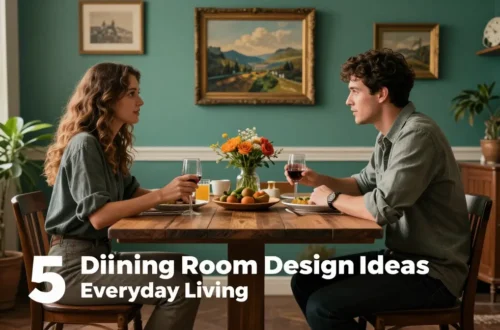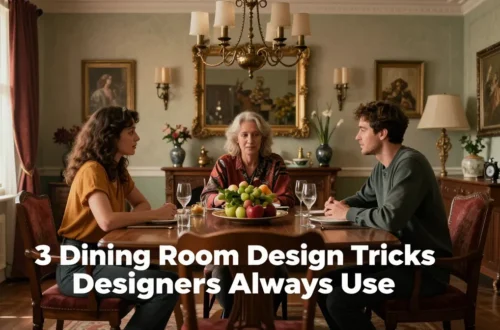
You want a dining room that looks pulled-together without months of planning or a designer on speed dial. Good news: you can flip the vibe from “meh” to “stunning” with a few strategic moves. Think lighting that flatters, textures that play nice, and furniture that actually fits your life. Let’s make your dinner table the most stylish hotspot in the house—no stuffiness allowed.
Start With a Statement Light (Yes, It Matters A Lot)
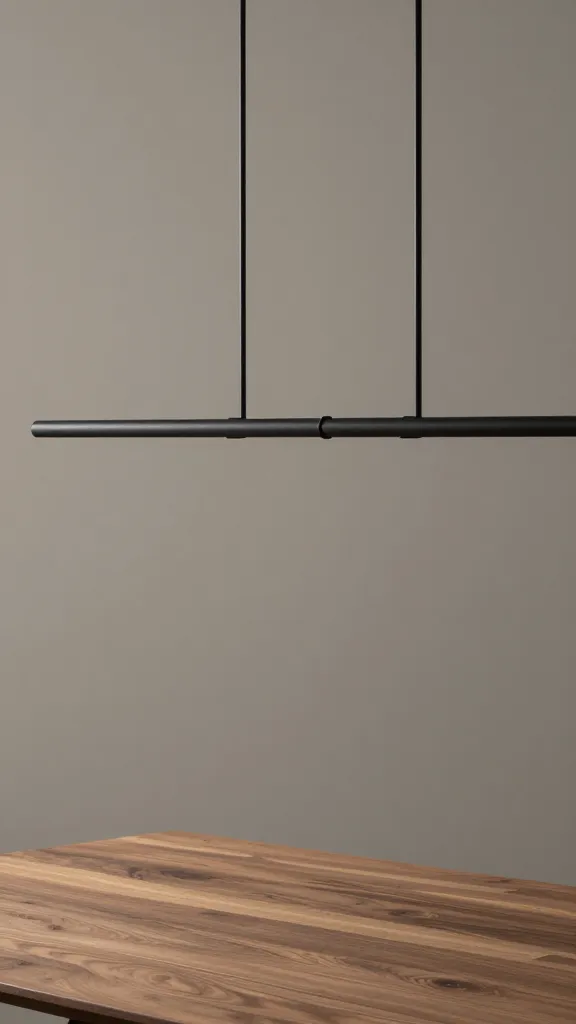
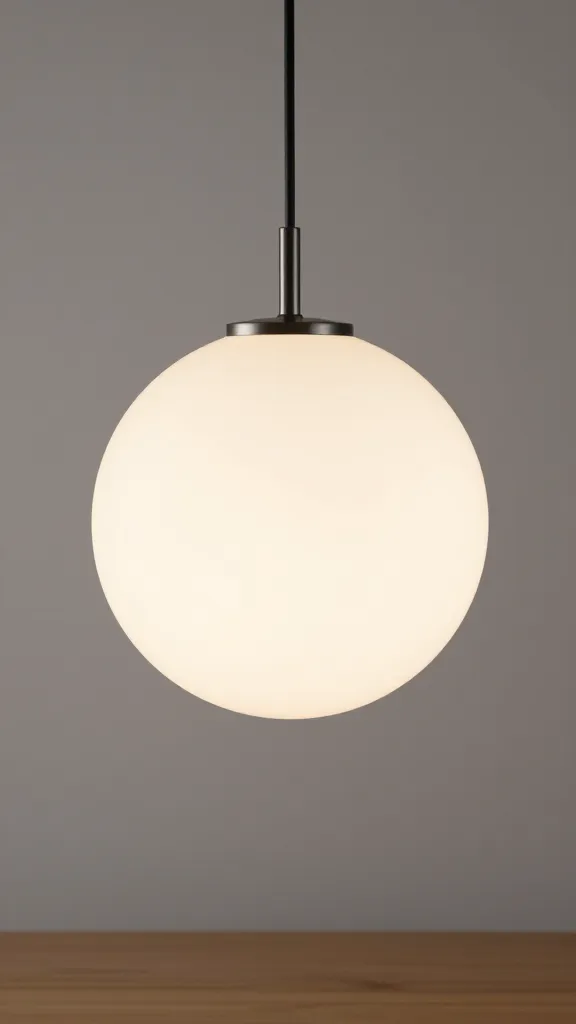
Lighting sets the entire tone. Swap the builder-basic fixture for something that makes people go “Whoa, where’d you get that?” It could be a sculptural chandelier, a woven pendant, or a sleek linear light if your table runs long. Just pick one showstopper and let it lead.
Key tips for a perfect hang:
- Height: Hang the light about 30–36 inches above the tabletop.
- Scale: Aim for a fixture that’s two-thirds the table’s width or around 24–36 inches for most spaces.
- Dimmers: Always. Warm bulbs + dimmer = instant restaurant-level ambiance.
Layer Your Lighting Like a Pro
One pretty pendant won’t carry the whole room. Add wall sconces, a floor lamp in the corner, or even candles. Soft pools of light make everyone look good. Yes, that includes your midweek takeout.
Upgrade Your Table & Chairs (But Keep It Comfortable)
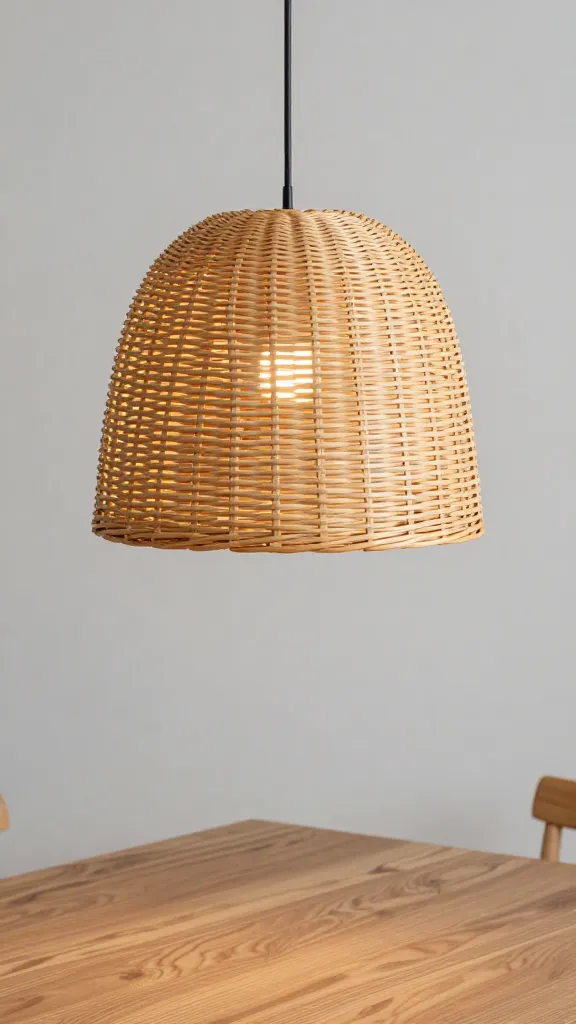
Your table and chairs do the heavy lifting. You don’t need a designer set—just pieces that feel intentional together. Mix materials to avoid showroom vibes. Pair a solid wood table with upholstered chairs, or try a marble-look top with warm cane seats.
Quick pairing ideas that never miss:
- Rustic + Refined: Farmhouse table + slim velvet chairs.
- Modern + Organic: Black pedestal table + linen slipcovered chairs.
- Classic + Cool: Oval wood table + leather sling chairs.
Proportions That Flatter
Make sure chairs slide under the table without bumping the apron. You want 10–12 inches between seat height and tabletop. And if your room runs tight, go for a round table. It seats more people comfortably and looks softer in small spaces. FYI, extendable tables save lives during holidays.
Play With Texture Like You Mean It

Texture beats color every time for instant sophistication. Layer materials that contrast and complement. Think: woven shades, ceramic vases, boucle or linen chairs, and a chunky wool or flatweave rug underfoot.
Texture combos that pop:
- Woven + Glossy: Rattan chairs + lacquered credenza.
- Matte + Metallic: Clay vases + brass candlesticks.
- Soft + Structured: Linen runner + stoneware plates.
Rug Rules (So You Don’t Trip)
If you add a rug, make it big enough. Chairs should stay on the rug, even when pulled out. As a rule, add 24 inches past the table edge on all sides. Flatweaves clean easier than plush styles. IMO, natural fiber rugs add warmth without trying too hard.
Pick a Palette—and Commit Already
A cohesive color story makes everything look designer. You don’t need 50 shades—three will do: a dominant neutral, a supporting color, and a contrasting accent. That’s your cheat code for calm, luxe energy.
Foolproof palettes:
- Warm Minimal: Cream, oak, and black accents.
- Earthy Cool: Sage, walnut, and matte brass.
- Monochrome Chic: Layers of greige + natural textures.
Where to Use Each Color
- Walls + Large Furniture: Keep neutral.
- Chairs + Art: Your secondary color lives here.
- Lighting + Decor: Use accents sparingly for a tailored feel.
Style the Table Like It’s Always Ready (But Not Fussy)
You don’t need a permanent tablescape that looks like wedding prep. Keep it simple: one anchor piece and a few low-profile companions. Your goal? Casual elegance that doesn’t block views or feel precious.
Centerpiece formulas that always work:
- One-and-Done: Oversized vase + seasonal branches.
- Group of Three: Candle, bowl, small sculpture—vary heights.
- Runner + Layers: Linen runner + stacked trays + bud vases.
Set-and-Forget Details
Cloth napkins in a neutral color. A ceramic fruit bowl that actually holds fruit. Unscented taper candles for dinners. That’s it. Keep it liveable, not museum-y.
Give Your Walls Something To Say
Blank walls can kill the vibe. Add art, a mirror, or architectural details to bring character. A gallery wall over a sideboard looks curated if you keep frames consistent. Or go big with one oversized piece—instant drama with zero clutter.
Wall ideas that look custom:
- Picture Ledge: Lean layered art, swap seasonally, zero holes drama.
- Wainscoting or Molding: Paint it the same color as the wall for subtle texture.
- Textile Art: A framed vintage rug or tapestry for warmth and softness.
Mirrors Done Right
Place a mirror opposite a window to bounce light and deepen the room. Choose a shape that echoes your table—round mirror with round table = chef’s kiss. Avoid mirrors that reflect clutter. No one needs to see the kitchen mess twice.
Smart Storage That Doubles as Decor
Stylish storage makes your dining room pull double duty and look polished. A sideboard or credenza keeps linens, platters, and board games (be honest) out of sight. Top it with a lamp, tray, and a stack of books for that effortless editorial look.
Storage picks that earn their keep:
- Closed Credenza: For hiding chaos. Bless.
- Open Shelving: For pretty glassware and ceramics—style it sparingly.
- Bar Cart: Wheels + bottles + a plant = instant party corner.
What to Put On Top
Limit yourself to three groupings: a lamp for glow, a sculptural object for height, and a tray to corral small things. It reads curated, not cluttered. FYI, fresh greenery beats fake florals 99% of the time.
FAQ
How do I make a small dining room feel bigger?
Go round with the table, keep chair legs visible, and choose a light rug that matches the floor tone. Use a large mirror to bounce light and pick a slim pendant, not a bulky chandelier. Keep the palette tight and avoid heavy window treatments.
What dining table shape works best for most spaces?
Round or oval tables win for flexibility and flow. They seat more people comfortably in tight rooms and look softer. Rectangular tables suit larger, longer rooms and work beautifully with a linear chandelier.
Should I match my dining chairs to the table?
You don’t have to. Mixed looks feel more current. Aim for contrast in material or color, but keep one element consistent—like a shared tone, metal finish, or leg style—so it still reads cohesive.
Do I really need a rug under the table?
Not mandatory. If your flooring looks great, skip it. If you want warmth or definition, choose a flatweave or indoor-outdoor rug that cleans easily. Size it so chairs stay on the rug when pulled out.
What’s the easiest update with the biggest impact?
Lighting, every time. Swap the fixture, add a dimmer, and bring in a couple of candles or a lamp on the sideboard. The room will feel instantly more intentional—and you didn’t even assemble a single chair.
How do I keep the space from feeling too matchy-matchy?
Mix textures and finishes. If your table is wood, try metal or upholstered chairs. Layer ceramics with glass, matte with shine. Repeat each material at least twice so it looks deliberate, not random.
Conclusion
You don’t need a full renovation to score a dining room that looks instantly stylish. Nail the lighting, mix textures, pick a tight palette, style a simple centerpiece, and give your walls and storage some love. Do those five things and, IMO, your space goes from “we eat here sometimes” to “reservation-only at home.” Pass the bread—and the dimmer switch.