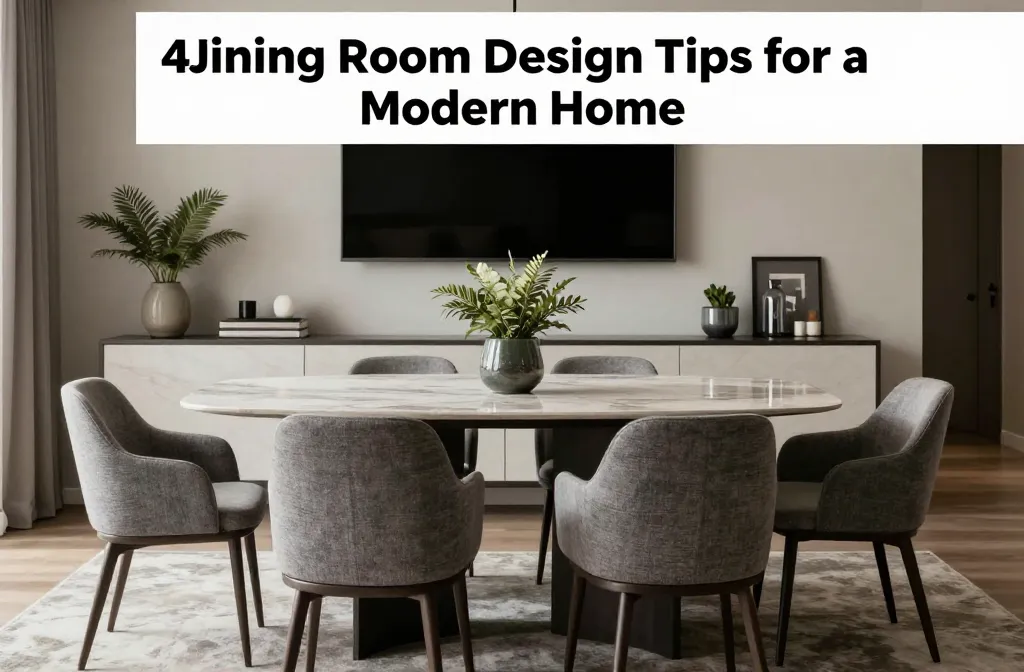
You eat with your eyes first, and not just the food. The room sets the mood, the pace, the volume of the laughter. If your dining room still screams “builder-grade beige,” let’s fix that. Four smart moves can flip the vibe from “meh” to “modern” without requiring a second mortgage or a reality TV crew.
Start with a Statement Table (Then Build Around It)
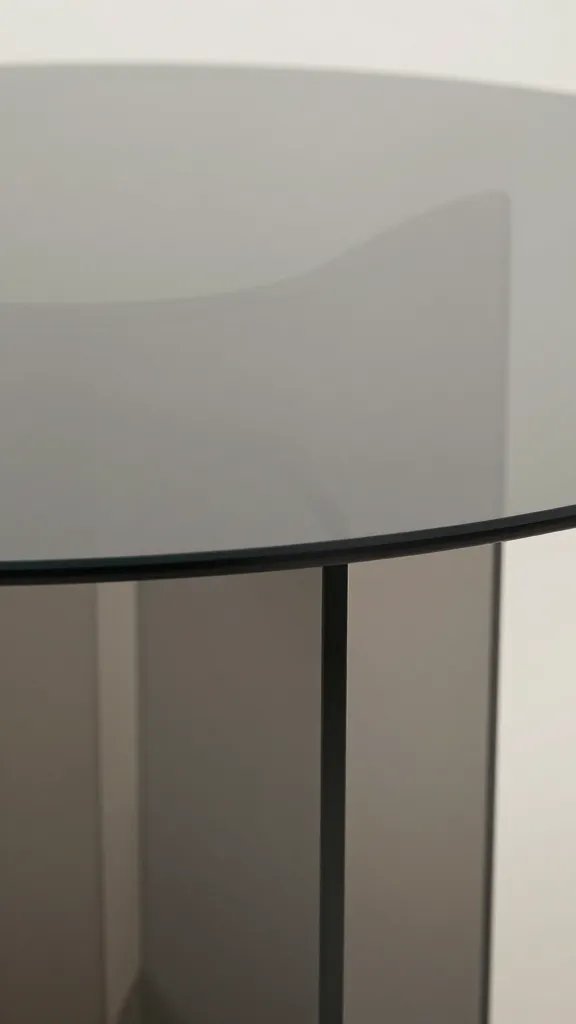
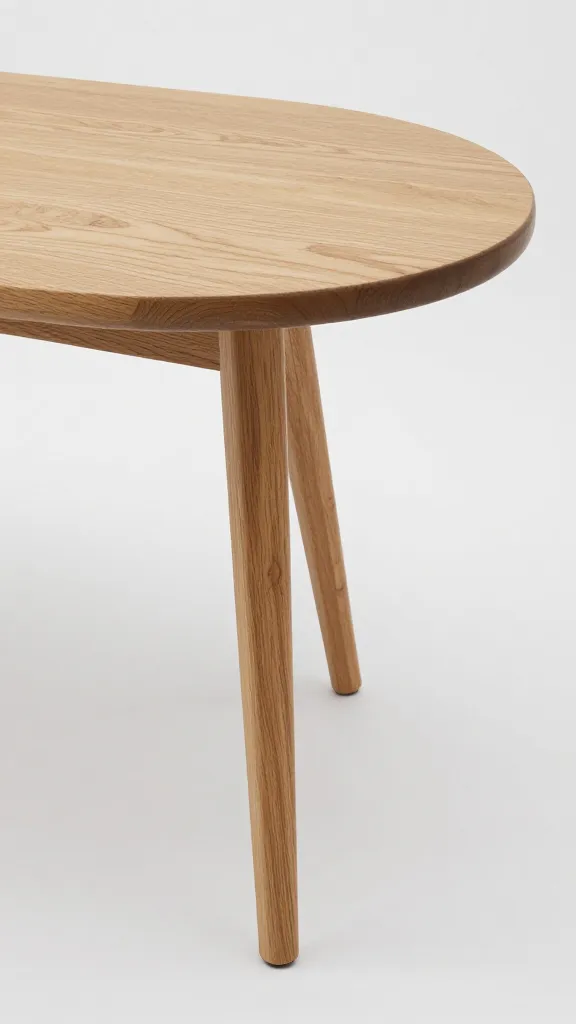
Your table does the heavy lifting. Choose one piece you absolutely love, and let it steer everything else. That could be a smoky glass oval, a chunky wood plank, or a sleek pill-shaped top with tapered legs.
Shape matters more than you think
– Round and oval tables keep conversations flowing and soften boxy rooms.
– Rectangular and racetrack shapes work great in narrow spaces and look clean with banquette seating.
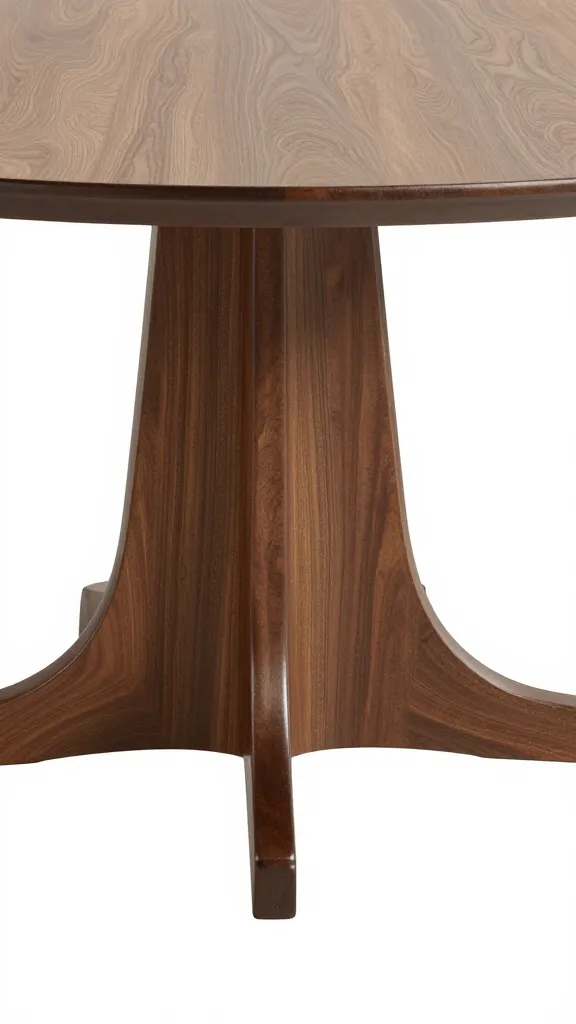
– Pedestal bases give you more legroom and look sculptural—very modern, very practical.
Material mix: modern without going cold
– Wood + matte metal reads warm but contemporary.
– Marble or stone composite adds quiet luxury with real durability (FYI: seal it).
– Glass tops enlarge small rooms visually and show off cool bases.
Layer Lighting Like You Mean It
The overhead pendant does not carry the whole team. Modern dining rooms feel balanced because you layer light at different heights and warmth levels.
Build a three-point lighting plan
- Pendant or chandelier at 30–36 inches above the table for intimacy and focus.
- Wall lighting (sconces or picture lights) for glow and depth—skip the matchy-matchy pairs if you want personality.
- Ambient helpers like a floor lamp or LED cove lights to soften edges.
Choose bulbs like a pro
– 2700K–3000K for warm, flattering tones.
– Dimmer switches always—dinner mood beats interrogation room.
– High CRI (90+) so your pesto looks appetizing and your walnut table reads rich, not muddy.
Chairs: Comfort First, Style Close Second
Yes, modern design loves clean lines, but if your guests tap out after ten minutes, you missed the assignment. Look for chairs that nail comfort and proportion.
What to look for
– Seat height around 18 inches pairs with 29–30-inch tables. Keep 10–12 inches of clearance.
– Curved backs or subtle flex make long meals feel easy.
– Upholstery in performance fabrics saves your sanity—stain-resistant tech now feels plush, not plasticky.
Mix and match without chaos
– Keep one element consistent (color, leg style, or height), then vary shape or texture.
– Pair four upholstered chairs with two sculptural wood captains.
– Use a bench on one side for space efficiency and a casual, modern vibe.
Color, Texture, and the Art of Restraint
Modern doesn’t mean sterile. It means edited. Choose a tight palette and add texture to keep it lively.
Start with a lean palette
– Pick one dominant neutral (warm white, greige, or charcoal).
– Add one wood tone and one metal finish.
– Bring in one accent color for art, textiles, or dishware. IMO, muted tones (oxblood, deep olive, slate blue) beat neon for longevity.
Texture does the heavy lifting
– Rugs in low-pile wool or flatweave ground the space without swallowing chairs.
– Wall texture via limewash, thin slat paneling, or a large canvas adds depth without clutter.
– Contrast: pair a glossy vase with a rough ceramic bowl; matte black flatware with linen napkins.
Flow, Scale, and Don’t-Trip-Over-That Space Planning
You can own the coolest table on the internet and still hate your dining room if nothing fits. Measure like a menace.
Golden spacing rules
– 36 inches minimum clearance from table edge to walls or furniture so people can move.
– 24 inches per place setting so elbows don’t duel.
– Rug sizing: extend 24 inches past the table on all sides. Chairs stay on the rug, even when pulled out.
Open concept? Define without boxing in
– Use a statement pendant to anchor the zone.
– Add a narrow console or credenza to transition to living areas.
– Float a plant or sculpture to cue the “room” without adding walls.
Storage That Looks Like Decor
Clutter kills modern energy. Hide the boring stuff, display the pretty stuff.
Smart storage moves
– Credenzas with doors for linens, candles, party tricks you don’t want on display.
– Open shelving or a single long ledge for art swaps and ceramics.
– Bar carts or a built-in niche keep bottles handy and add instant grown-up points.
Styling that doesn’t feel try-hard
– Group in odd numbers and mix heights.
– Keep negative space so surfaces can breathe.
– Rotate seasonal elements: branches in fall, citrus in winter, peonies in spring. Low effort, high payoff.
Set the Table (Lightly) for Everyday
You don’t need a formal place setting daily. But a few intentional pieces make the room feel “ready.”
- Everyday centerpiece: a low bowl, a sculptural candle, or a small cluster of bud vases. Keep it below eye level.
- Textiles: a runner in a natural fiber adds softness without fussy upkeep.
- Trays: corral salt, pepper, olive oil, and a tiny plant. Functional and tidy.
FAQ
How big should my dining table be for my space?
Measure the room, then subtract 72 inches from both length and width. That gives you the maximum table footprint while keeping 36 inches of clearance on all sides. For seating, plan about 24 inches of width per person along the table.
Do I need a rug under the dining table?
No rule says you must, but a rug helps define the zone and absorbs sound. If you add one, choose a low-pile or flatweave that extends at least 24 inches beyond the table so chairs don’t snag.
What’s the best lighting temperature for dining?
Aim for warm white in the 2700K–3000K range. It flatters skin tones and food, and it feels cozy at night. Pair it with dimmers so you can shift from homework time to dinner party mode with one slide. FYI, high CRI bulbs make everything look better.
Can I mix chair styles with a modern table?
Absolutely, and it can look intentional if you keep one element consistent—finish, height, or color. Mix upholstered side chairs with wood captains, or run a bench on one side. Just keep seat heights within an inch of each other.
What if my dining area is tiny?
Go round or oval to improve circulation, choose a pedestal base, and use armless chairs. Consider a banquette along one wall to save floor space. Mirrors and a glass or light-toned table top also bounce light and make the room feel bigger, IMO.
How high should I hang my chandelier?
Position the bottom of the fixture 30–36 inches above the tabletop. Center it visually over the table, not the room, especially in open concepts. If your table is extra long, consider a linear fixture or a double-pendant setup.
Conclusion
Modern dining rooms don’t need overthinking or overstyling. Pick a statement table, layer the lighting, prioritize comfortable chairs, and edit your color and texture. Give yourself breathing room with smart spacing and storage, then add just enough styling to feel intentional. Do that, and dinner at yours goes from “Where should we sit?” to “We’re never leaving,” which, fair warning, may require extra dessert.