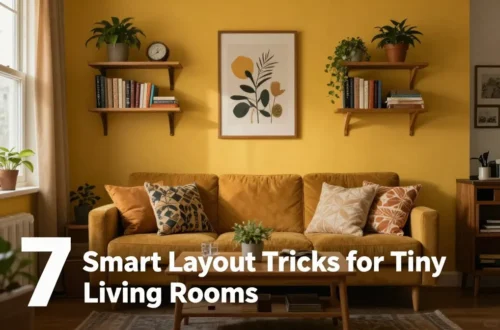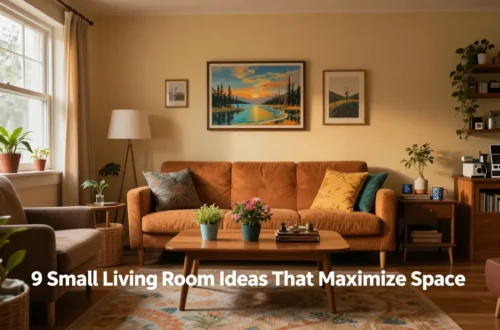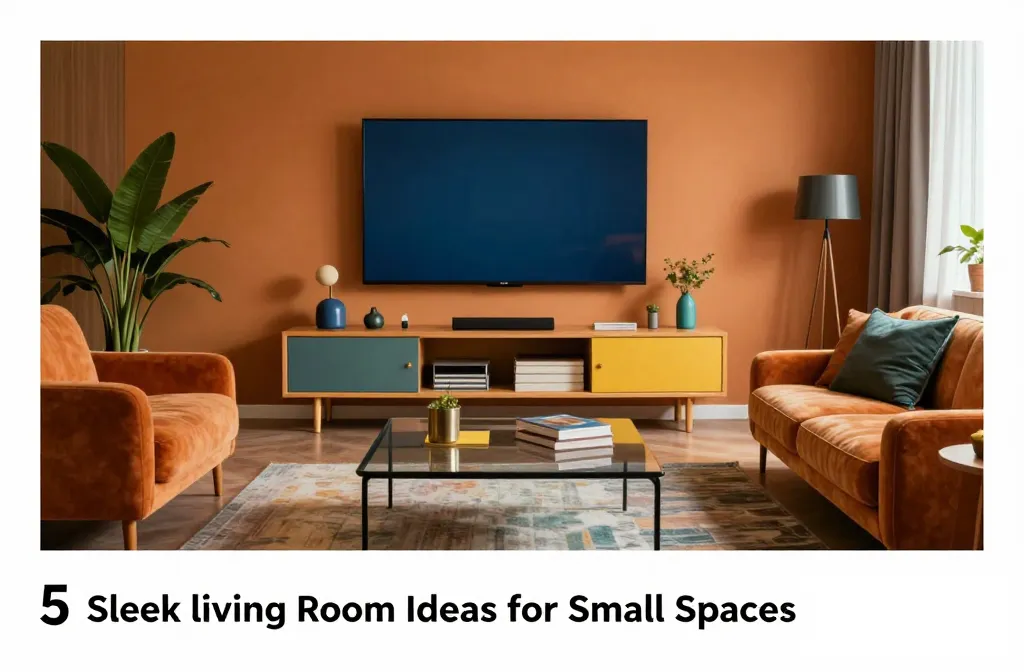
Small living rooms don’t need sympathy—they need strategy. Give them a plan and they’ll punch way above their square footage. The trick? Make every piece earn its keep and keep your eyes moving. Ready to make your small space look sleek, intentional, and a little bit smug? Let’s go.
Float the Furniture and Nail the Layout
Pushing everything against the walls feels logical, but it often makes a room look like a waiting area. Float your sofa a few inches off the wall and angle chairs to create a defined conversation zone. You’ll get better flow and a room that looks designed, not default.
Pro move: Use a slim console table behind a floated sofa. It adds a surface for lamps and hides cables, without eating a ton of space.
Zone Smart With Rugs
One decent-sized rug (yes, bigger than you think) anchors your layout and makes the room feel larger. Tiny “postage stamp” rugs break the space into awkward bits. Try a 6×9 or even 8×10 if your room allows—tuck the rug under the front legs of your seating to tie it all together.
Mind the Pathways
Keep at least 30 inches for walkways where possible. Can’t manage that? Go for 24 inches and choose furniture with rounded corners. Your shins will thank you.
Choose Low, Light, and Leggy Pieces
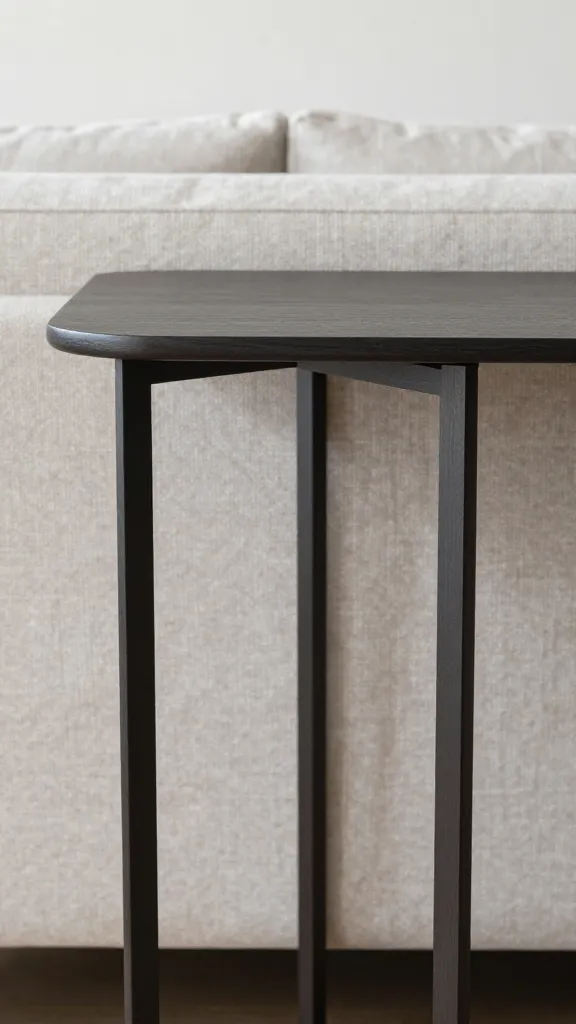
Tall, chunky furniture in a small room screams “I’m trapped.” Lower profiles create visual breathing room and make ceilings feel higher. Leggy pieces (think mid-century vibes) let light pass beneath and keep the floor visible, which tricks the eye into reading the room as bigger.
- Sofa: Aim for low back, slim arms, and tight upholstery (no overstuffed cushions).
- Coffee table: Go oval or round to soften traffic flow and avoid knee bruises.
- Storage: Pick open bases or wall-mounted units to lift the visual weight.
Acrylic and Glass for the Win
Transparent tables practically vanish while still giving you a landing spot for your drink and remote. FYI, they also reflect light and look instantly polished.
Build Vertical Drama (So the Floor Can Chill)
When the footprint is small, go vertical. Pull the eye up with height and pattern near the ceiling. You’ll add the illusion of volume without adding clutter.
- Ceiling-high drapes: Mount curtain rods 4–6 inches above the window frame and wider than the window. Bigger window energy, zero renovation.
- Tall shelving: A narrow bookcase or ladder shelf adds storage without hogging square footage.
- Statement lighting: A slim floor lamp or a compact chandelier adds height and glam. IMO, pendant > flush mount every time if ceiling height allows.
Gallery Walls, But Make Them Calm
You can still do a gallery wall—just keep frames consistent and spacing tight. Or go oversized with a single art piece for that clean, editorial look.
Master the Light: Layers Beat Overhead Alone
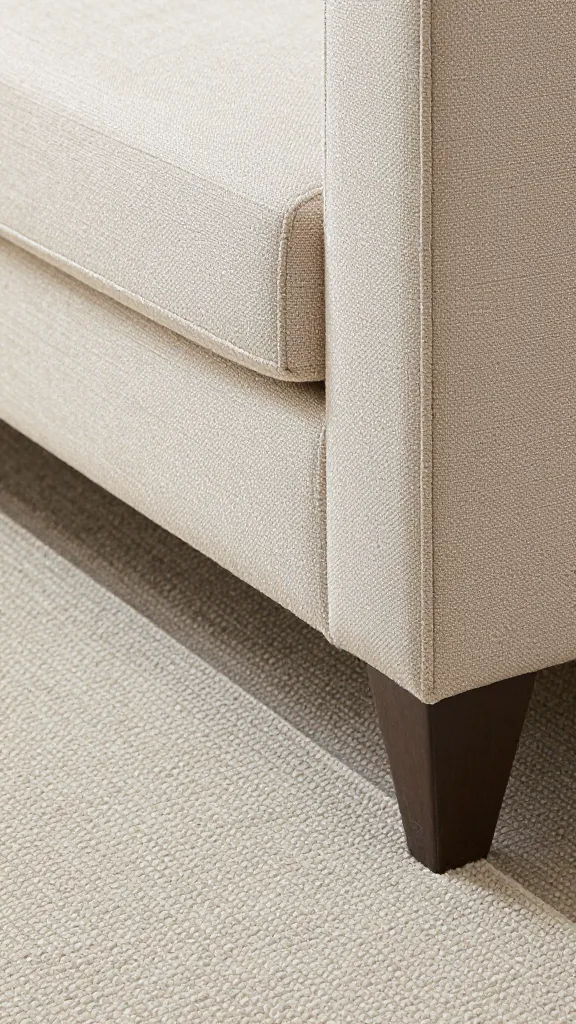
Harsh overheads flatten a room and make shadows where you don’t want them. Layer your lighting like a pro: ambient, task, accent. You’ll get depth, warmth, and actual visibility on game night.
- Ambient: Dimmable ceiling fixture or a pair of floor lamps.
- Task: Table lamp by the sofa, swing-arm sconces for reading, or plug-in picture lights.
- Accent: LED strip under a floating shelf or behind the TV for that subtle glow.
Tip: Use warm-to-neutral bulbs (2700K–3000K). Anything bluer turns your cozy nook into a dentist’s office—hard pass.
Invest in Multi-Tasking Furniture
Every piece in a small living room needs a LinkedIn-level resume. Storage, style, flexibility—get all three or keep scrolling.
- Nesting tables: Spread them out when guests arrive, stack them when they leave—zero bloat.
- Storage ottoman: Hidden stash for throws, remotes, board games, and that cable spaghetti you swear you’ll sort later.
- Foldable or stackable stools: Bonus seating that tucks away without drama.
- Drop-leaf console: Slim desk by day, dining setup for two by night. Tiny-apartment magic.
Modular Seating for the Win
A petite modular sofa lets you reconfigure for movie nights or guests. Look for units with hidden storage under the chaise. It’s basically a secret closet, and who doesn’t want that?
Use Color and Texture Like a Stylist
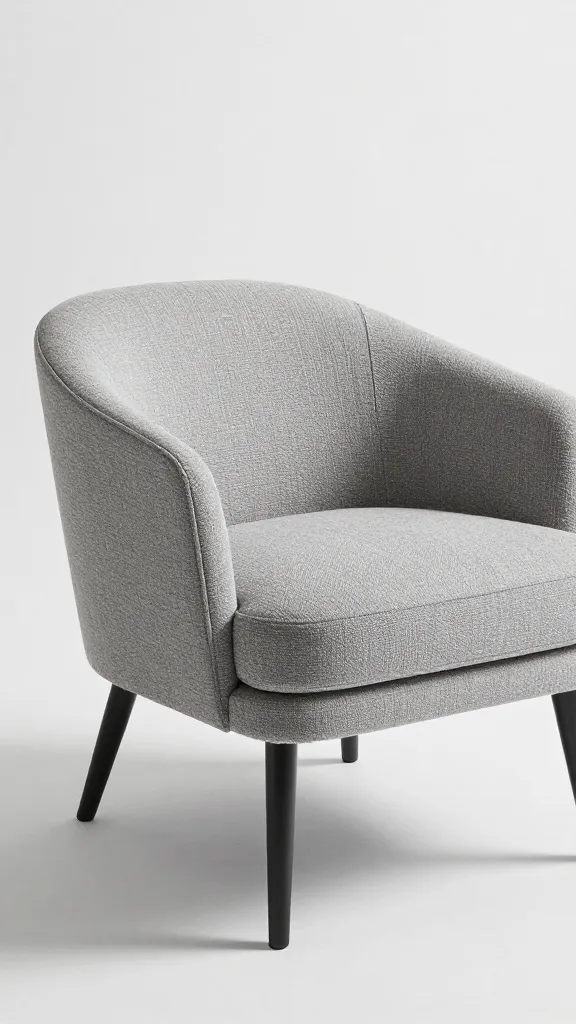
Yes, light colors open up a room—but all-white can feel flat. Mix soft neutrals with a few bold accents to keep things fresh and balanced.
- Base palette: Warm whites, sandy beiges, or gentle grays for walls and big pieces.
- Contrast: Add a deep tone (navy, charcoal, forest green) on a single piece—like the media console or a statement chair.
- Texture: Bouclé, linen, rattan, and matte ceramics add depth without visual clutter.
FYI: Keep patterns medium-scale and repeat them 2–3 times (pillow, throw, art) so the room feels cohesive, not chaotic.
Mirrors That Actually Help
Place a large mirror opposite a window to bounce light and fake more space. Avoid tiny mirrors—they just reflect your frustration. One generous mirror > five small ones every single time.
Declutter Like You Mean It (But Keep Personality)
Minimal doesn’t mean soulless. Edit ruthlessly, then style intentionally. Leave negative space so your favorite pieces can breathe.
- Corral the small stuff: Trays on the coffee table and media console make even random bits look curated.
- Rotate decor: Keep a small “prop box.” Swap items seasonally so you enjoy them without overcrowding.
- Cable control: Adhesive clips and cord covers—cheap upgrades, instant calm.
One-In, One-Out Rule
New pillow or vase comes in? Something similar goes out. It keeps your space tight and your style sharp. IMO, constraints spark better design choices anyway.
FAQ
What size sofa works best in a small living room?
Aim for 72–84 inches wide with a low back and slim arms. If your room is extra tight, consider a loveseat (60–70 inches) or a modular setup you can adjust. Prioritize comfort, clean lines, and raised legs to keep the look airy.
How big should my rug be?
Bigger than you think. Ideally, the front legs of all major seating land on the rug. For most small living rooms, a 6×9 or 8×10 works better than a 5×7, which often looks like a bath mat that wandered off.
Can I use dark colors in a small space?
Absolutely. Use them strategically. Go dark on a single hero piece or one accent wall and balance it with lighter furniture and plenty of light. The contrast adds depth, not doom.
How do I style a TV without it dominating the room?
Float shelves around it or hang a gallery wall to integrate the screen. Or choose a media console with closed storage so remotes and consoles disappear when you’re not using them. Bonus points for a frame-style TV that doubles as art.
What’s the best lighting plan on a budget?
Go plug-in everything: a floor lamp for ambient, a table lamp for task, and a plug-in sconce or LED strip for accent. Add dimmable smart bulbs so you can tune the mood without rewiring. Small spend, big vibe.
How do I make a rental feel designed without drilling?
Use tension rods for drapes, adhesive hooks for art and sconces, and peel-and-stick for accent walls. Layer rugs and bring in tall plants for height and texture. The space reads “custom,” your deposit stays intact.
Conclusion
Small living rooms don’t need tricks—they need intention. Float your furniture, go vertical, layer your lighting, and let every piece multitask. Keep the palette calm, the textures rich, and the clutter in check. Do that, and your “small” living room turns sleek, cozy, and—let’s be honest—a little show-offy in the best way.