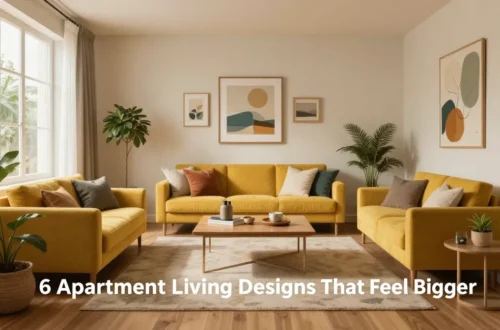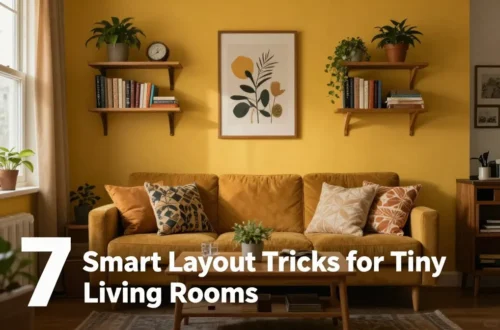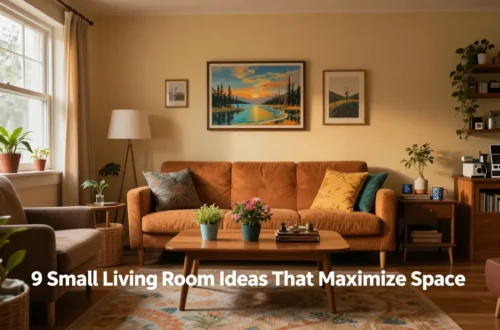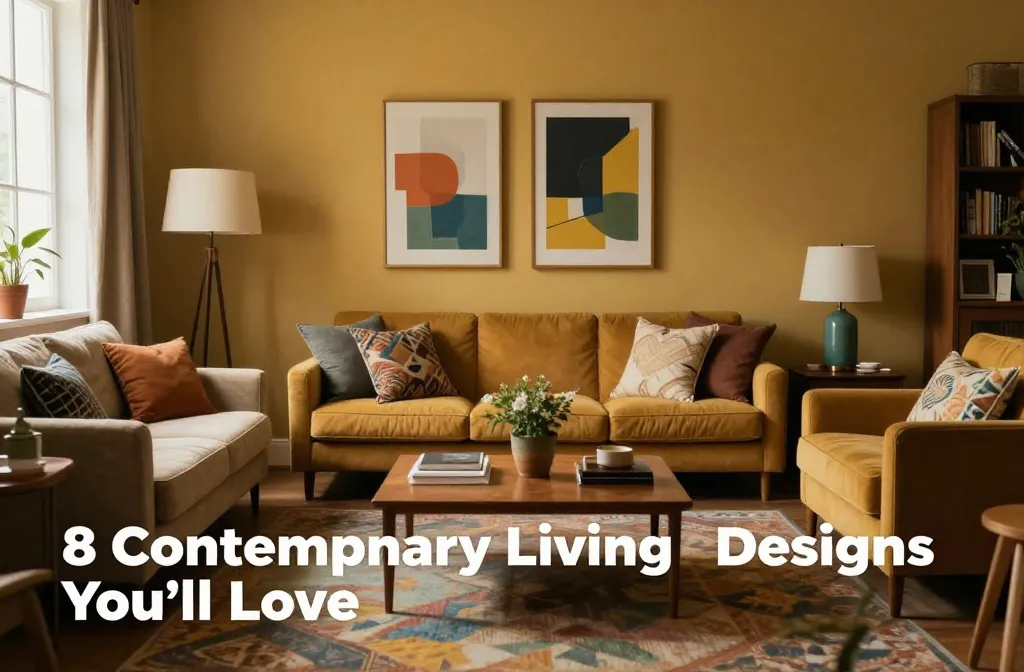
Your living room does a lot of heavy lifting. It hosts movie nights, chaotic game sessions, quiet coffee mornings, and the occasional nap you definitely didn’t plan. So if it looks a little “meh,” let’s fix that. Here are eight contemporary living room designs that feel stylish, comfy, and actually livable (because who wants a showroom you can’t sit in?).
1. Warm Minimalism That Doesn’t Feel Cold
Minimalism doesn’t have to mean sterile. Think clean lines, cozy textures, and a palette of creams, caramels, and soft grays. You still edit clutter, but you keep warmth with natural wood, woven textiles, and soft lighting.
- Key moves: Low-profile sofa, a solid wood coffee table, layered rugs, oversized floor lamp.
- Color palette: Oatmeal, mushroom, clay, and black accents for contrast.
- Texture: Bouclé, linen, wool throws, and ribbed ceramics.
Pro tip: Curate, don’t purge
Keep a few meaningful objects on display—books, a ceramic vase, that travel find you love. Edit everything else. The room breathes, but it still has a pulse.
2. Japandi Calm (Scandi Meets Zen)
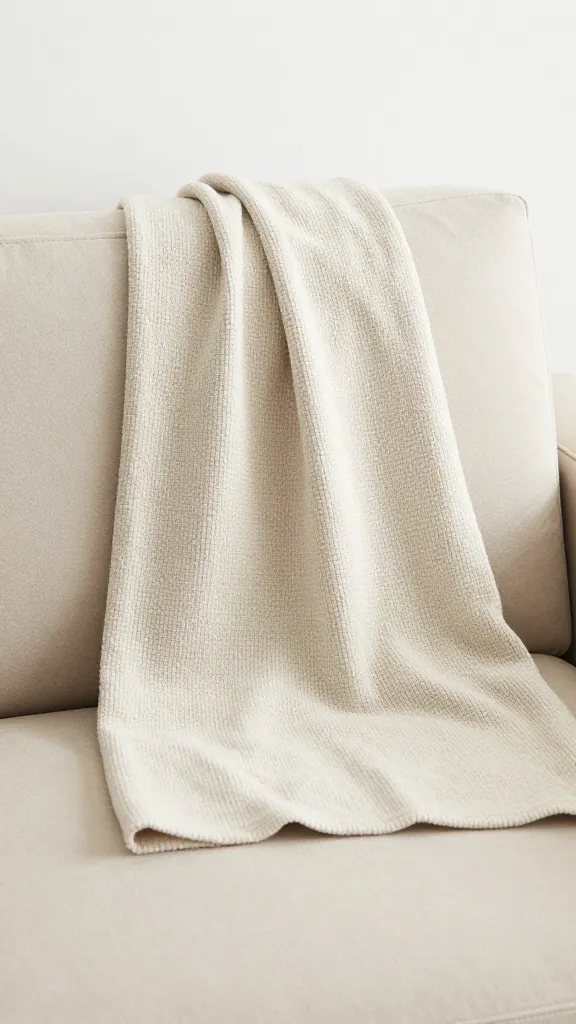
Japandi blends Scandinavian coziness with Japanese restraint. The result? A soothing, clutter-light space that still feels human. Furniture stays low and grounded. Materials feel honest and tactile.
- Materials to mix: Ash, oak, bamboo, matte black metal, rough pottery.
- Layout: Open visuals, but intimate seating zones.
- Lighting: Rice-paper pendants or linen shades for soft glow.
Go vertical with storage
Use wall-mounted shelves with closed compartments to hide cables and gadgets. Clean lines + hidden chaos = peace of mind, IMO.
3. Soft Color Pop (Without the Crayon Box)
You love color, but not the circus. Use a calm base—warm white walls, pale floors—and punch it up with a single saturated hue. Think moss green, rust, or ultramarine, sprinkled across pillows, art, and a single hero chair.
- Anchor piece: One bold item—armchair, rug, or large artwork.
- Balance: Repeat the chosen color 3–5 times in small doses.
- Neutrals: Keep the rest muted so the pop actually pops.
What about patterns?
Yes, but keep scale consistent. If you choose a big-scale rug pattern, go small on pillows. Your eyes need rhythm, not a sprint.
4. Textural Neutrals for the Tactile Nerds
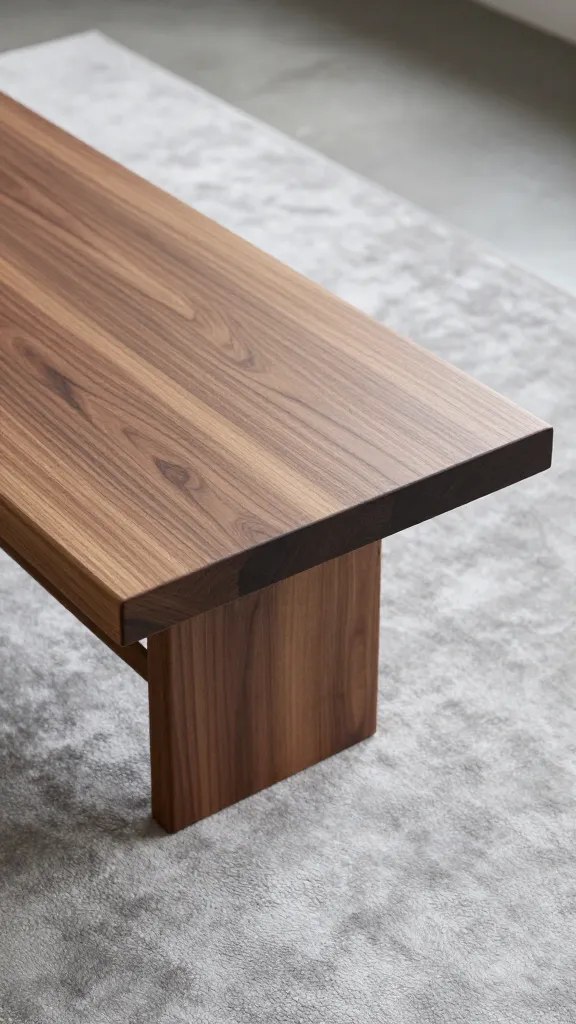
If you always touch fabrics in stores (same), this one’s for you. Neutral rooms get depth from texture, not color. Layer rough with smooth, matte with glossy.
- Texture cocktail: Plastered or limewash wall, chunky knit throw, sleek stone table, leather sling chair.
- Rug strategy: Jute base + softer wool on top = instant luxury.
- Shine control: Add one glossy surface—lacquered side table or glazed ceramic—to lift the vibe.
Lighting matters a lot
Mix at least three light sources: a floor lamp, a table lamp, and warm ceiling lighting. You want shadows and glow, not interrogation-room vibes. FYI, dimmers fix almost everything.
5. Curves, Arches, and All the Soft Edges
Contemporary doesn’t mean boxy. Curved sofas, rounded nesting tables, and arched lamps soften the room. They add movement and make small spaces feel friendlier.
- Furniture shapes: Crescent sofas, pill-shaped ottomans, round coffee tables.
- Accents: Arched mirrors or wall niches for instant architecture.
- Balance tip: Pair curves with one or two linear pieces so it doesn’t look like a bubble bath.
Try the “one-curve rule”
Start with one curved hero (sofa or mirror). Echo it subtly in lighting or side tables. Repetition = intention.
6. Elevated Everyday: Built-ins and Multifunction Magic
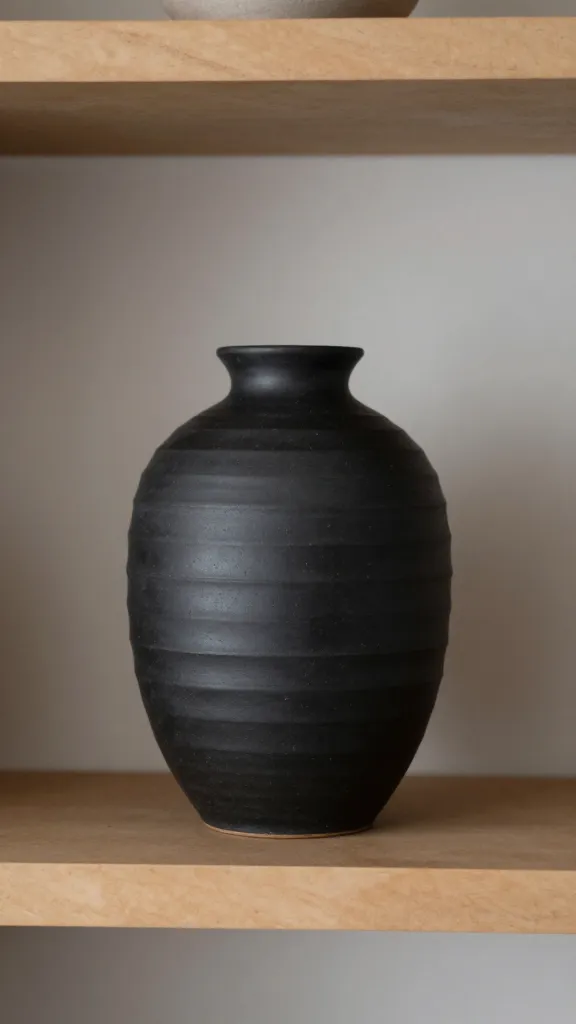
You live here, not on Pinterest. Built-ins make life easier and look tailored. Add a wall of shelves with a hidden media cabinet, and you’ll never stare at cable chaos again.
- Smart features: Integrated LED strips, vented doors for tech, hidden charging stations.
- Convertible pieces: Ottoman with storage, nesting side tables, extendable coffee table.
- Seating strategy: One big sofa + two light chairs beats two sofas in most spaces.
Zone your room like a pro
Float furniture off the walls. Use a rug to define the seating cluster, and a small console to separate entry from lounge. Instant structure, zero drywall.
7. Art-Led Spaces (Because Blank Walls Are Sad)
Let art do the heavy lifting. Build the room around one statement piece—photography, abstract canvas, or textile art. Keep furniture simple and let the art spark the conversations.
- Scale rules: Go larger than you think. Tiny art over a big sofa looks shy.
- Color echo: Pull two tones from the art for pillows and throws.
- Gallery wall? Mix frames in the same tone (all black or all oak) for cohesion.
Lighting the art
Use picture lights or adjustable track heads with 2700–3000K bulbs. No blue-white glare. Your art deserves warmth, not a dentist’s office.
8. Biophilic Bliss (Plants, Light, and Air)
Nature calms your nervous system, and your living room wants in. Bring in plants, natural fibers, and loads of daylight. If you don’t have daylight, fake it with warm layered lighting and a few hardy greens.
- Plant picks: Fiddle-leaf fig for drama, rubber tree for low fuss, trailing pothos for shelves.
- Natural layers: Rattan chairs, linen curtains, stone or terrazzo side tables.
- Windows: Sheer curtains that pool slightly = soft, luxe look.
Can’t keep plants alive?
Try olive trees or ZZ plants. They thrive on neglect and compliments. Or go high-quality faux for the look without the watering guilt. IMO, no shame.
How to Pull It All Together
You don’t need to pick just one look. Mash up elements you love: a Japandi base with a curved sofa, or warm minimalism with an art-led focus. The trick is editing.
- Choose a vibe: Name it in three words—calm, cozy, sculptural.
- Pick a palette: 1–2 neutrals + 1 accent + 1 metal/wood tone.
- Layer textures: Soft + rough + shiny = depth.
- Mind scale: One large rug anchors everything; small rugs make rooms feel jittery.
- Light it right: At least three light sources, all warm.
FAQ
How do I choose the right sofa size for my space?
Measure your room, then leave at least 30–36 inches for walkways. The sofa should sit on the rug with its front legs at minimum. If your room is small, pick a low-profile sofa with visible legs so it feels lighter. Sectionals work when they don’t block traffic—open chaises beat blocky corners.
What rug size should I use in a contemporary living room?
Bigger than you think. Aim for an 8×10 at minimum in most living rooms. Ideally, all front legs of the seating rest on the rug. A too-small rug makes the room feel chopped up; a larger one pulls everything into a cohesive zone.
How can I make a rental living room feel contemporary without renovations?
Rugs, lighting, curtains, and art. Swap builder bulbs for warm LEDs, add plug-in sconces or floor lamps, hang drapery high and wide, and lean large art if you can’t drill. Peel-and-stick options for wallpaper or window film also help, and furniture with closed storage hides the necessary ugly.
What’s the easiest way to add color without repainting?
Use a hero color in three spots: pillows, throw, and one accent piece (chair, lamp, or art). Keep the rest neutral so the color reads intentional. Flowers and books also pull tones in without commitment. FYI, covers for cushions change a room in five minutes.
How do I avoid the space feeling too “matchy-matchy”?
Mix materials and shapes. Pair a soft curved sofa with an angular side table, or leather with linen. Keep finishes related but not identical—oak with walnut, brass with blackened steel. If everything matches, nothing stands out.
What lighting temperature should I use?
Stick to warm white—2700K to 3000K. Keep it consistent across the room to avoid weird color shifts. Add dimmers where possible so you can switch from “work mode” to “movie night” without moving a single pillow.
Conclusion
Contemporary living rooms shine when they feel edited, cozy, and a little bit personal. Start with clean lines, layer in texture, add one bold move, and light it all like you mean it. Mix styles if you want; just keep a tight palette and good proportions. Your living room will thank you—with fewer awkward silences and much better selfies.