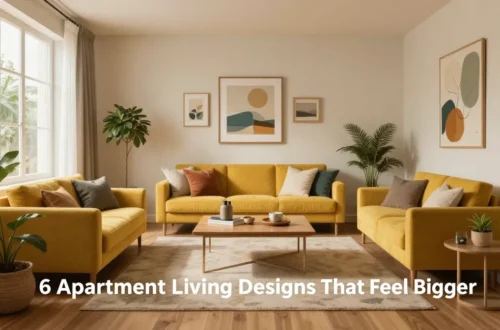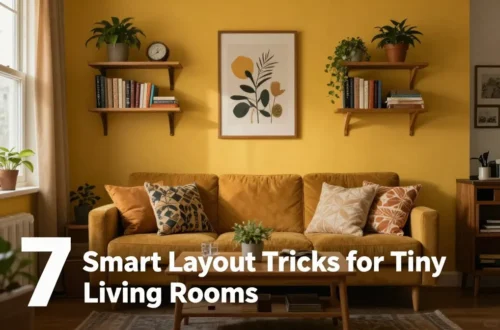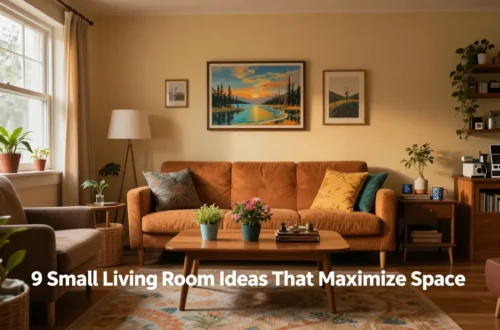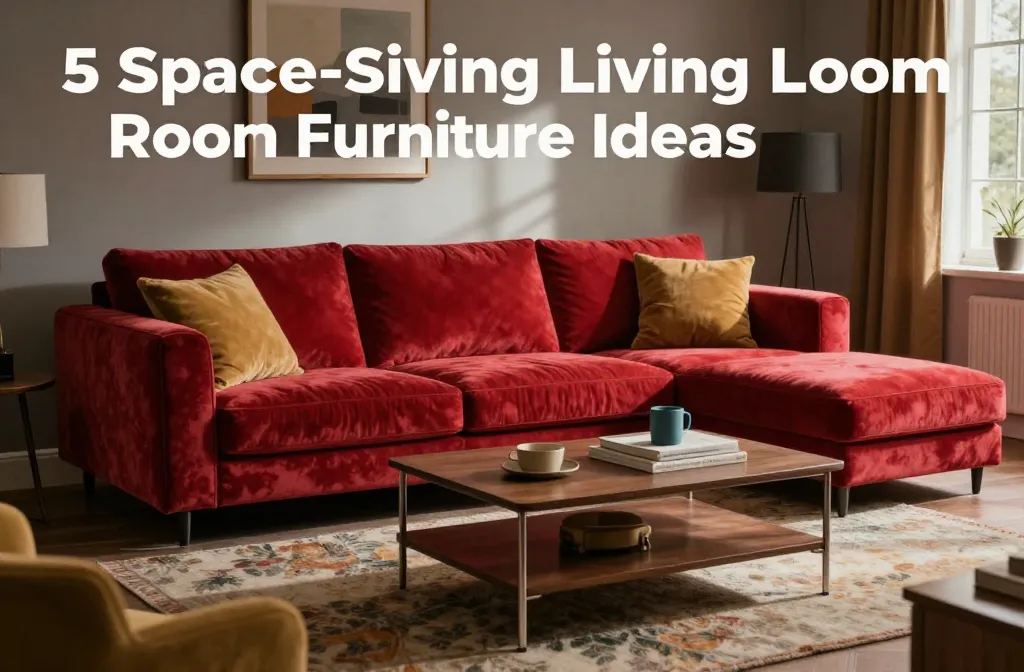
Your living room can do more with less—less floor space, less clutter, less “why won’t this door open all the way?” You don’t need to Marie Kondo your entire life to make the room feel bigger. You just need smart furniture that earns its keep. Ready to steal back some square footage? Let’s talk pieces that actually pull their weight.
Go Modular or Go Home: Sectionals That Flex
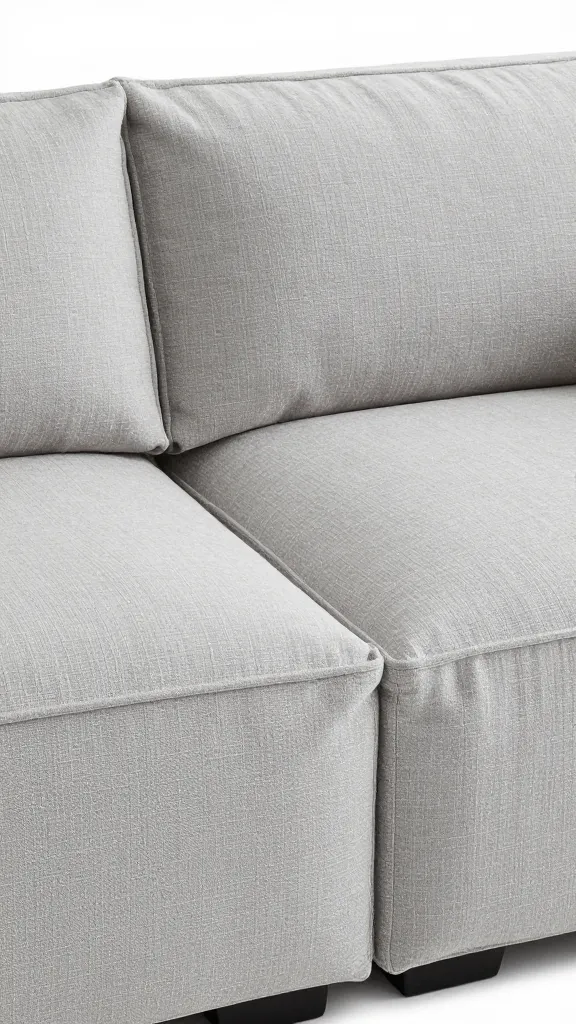
Modular sectionals don’t just look clean—they move, split, and reshape as your life shifts. Hosting game night? Pull off a chaise and make a conversation nook. Need a reading corner? Reconfigure a single seat by the window and pretend you live in a Pinterest board.
Why it saves space: You customize the footprint to fit your room, instead of forcing a rigid sofa to work. Modular pieces tuck tighter into corners and reduce dead zones.
What to look for in a modular pick
- Armless units: They connect almost anywhere and look lighter.
- Low backs: Keep sightlines open so the room reads larger.
- Hidden storage: Bonus points if the chaise lifts to hide blankets and board games.
- Legs you can see under: Visual air = bigger-feeling room.
Storage Coffee Tables: The Clutter Ninja
A coffee table can store remotes, books, throws, candles you forgot you owned—basically your living room’s chaos. Pick a table with deep drawers or a lift-top, and suddenly the mess disappears like a magician’s rabbit.
Why it saves space: You combine surface, storage, and sometimes even dining. Yep, a lift-top table turns your couch into a desk or snack bar.
Lift-top vs. drawers: which wins?
- Lift-top: Great for laptops and takeout nights. Just check the hinge quality—you want smooth, not wobbly.
- Drawers: Best for kids’ stuff, game controllers, and things you don’t want on display. FYI, soft-close tracks help keep things quiet and classy.
Shape matters
- Round/oval: Friendly for tight walkways—no painful shin bumps.
- Nesting tables: Slide out for guests, tuck in when you need floor space.
Wall-Mounted Media Units: Float It, Don’t Park It
Floor-standing TV consoles hog square footage and attract cable spaghetti. Mount your TV, then add a slim floating shelf or wall system. Suddenly, your floor looks clean—and your robot vacuum will finally stop getting stuck. Progress.
Why it saves space: Floating storage visually lightens the room and frees up precious floor area. Also, you can run cables behind panels for a tidy look.
Design tips for a slick setup
- Match the width of your TV: Keeps proportions balanced and avoids the “TV wearing a tiny hat” vibe.
- Use closed cabinets below: Hide routers and consoles; add a vented door if you game or stream a lot.
- LED backlighting: Adds depth and makes walls feel farther away. It’s a neat trick that works.
Convertible Seating: Benches, Ottomans, and Daybeds That Do It All
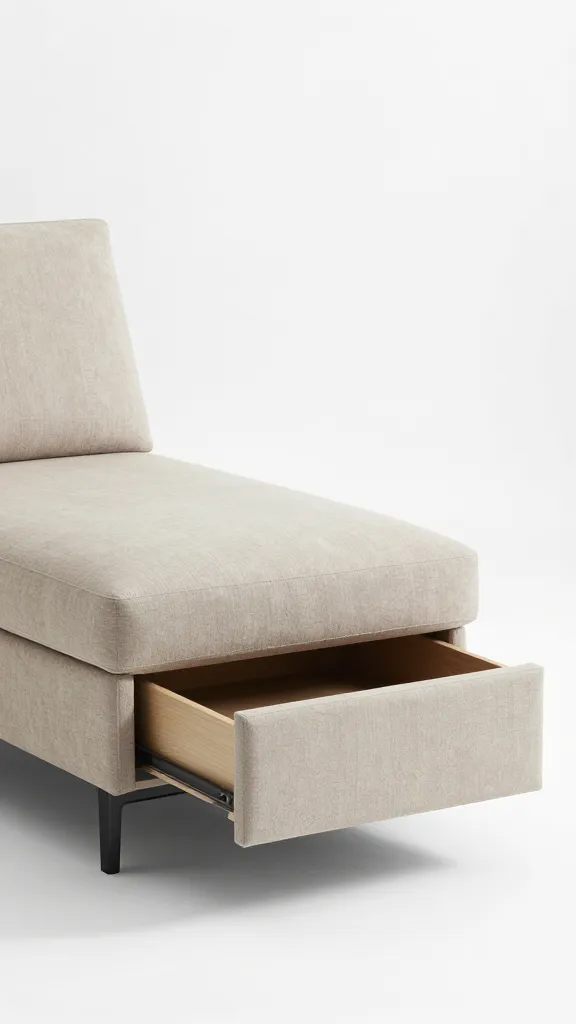
If you’ve ever wished a chair could be a table, you’re the target audience. Ottomans can stash stuff and double as coffee tables with a tray. Benches sit under windows, then slide to the dining table when you need extra seats. A slim daybed handles naps and surprise guests without screaming “college futon.”
Why it saves space: One piece handles multiple roles, so you buy fewer things and need less footprint.
Smart ways to use them
- Storage ottoman: Toss in spare pillows, extra cords, or that ugly blanket you still love.
- Narrow bench: Park it behind the sofa as a console table with baskets underneath.
- Daybed with bolsters: Looks like a chic sofa by day, guest bed by night. IMO, choose one with a trundle if you entertain often.
Vertical Shelving and Ladder Units: Build Up, Not Out
When floor space runs tight, walls start doing the heavy lifting. Tall shelving units, ladder bookcases, and mounted cubes turn awkward corners into display and storage. You get style and storage without the bulky sideboard.
Why it saves space: Vertical lines draw eyes up and keep pathways clear. Also, you reclaim corners most people ignore.
How to keep it from looking cluttered
- Mix open and closed storage: Show off a few pretty things; hide the rest behind doors or in baskets.
- Repeat materials: Wood tone or metal finish that matches your coffee table ties the room together without visual noise.
- Leave breathing room: Don’t stuff every shelf. Negative space = calmer vibe.
Drop-Leaf, Gateleg, and Fold-Flat Tables: The Shape-Shifters
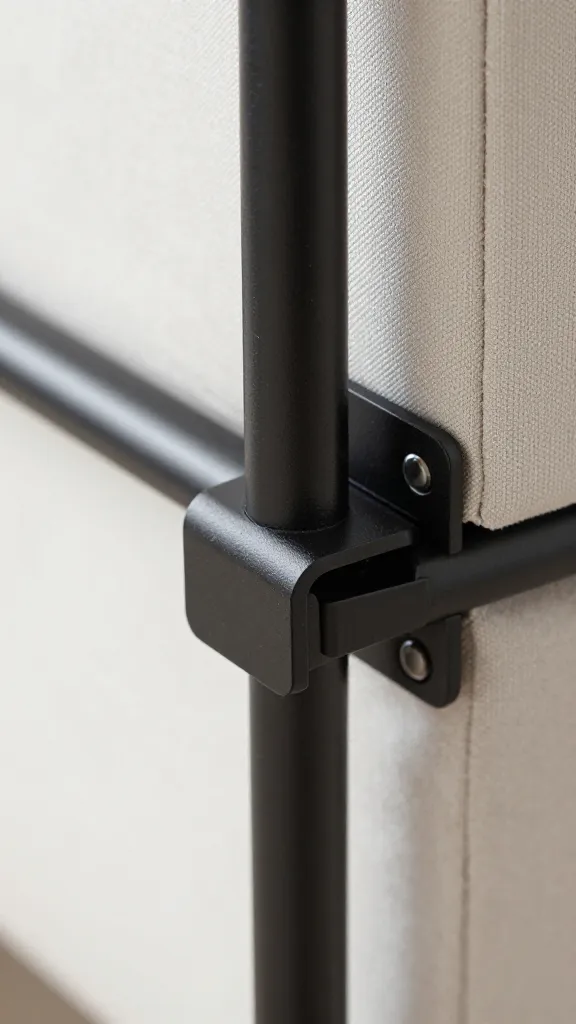
You don’t need a permanent dining table if you eat on the couch (no judgment). A drop-leaf or gateleg table tucks small, then expands when company comes over. Fold-flat consoles even hang on the wall like art and pop down when you need them. City-dwellers swear by these—and they’re not wrong.
Why it saves space: You only use the footprint when you’re actually using the table. The rest of the time, it politely disappears.
Picking the right mechanism
- Drop-leaf: Simple and sturdy; great as a sofa table that becomes dining on demand.
- Gateleg: Legs swing out for solid support—perfect for heavier tabletops.
- Wall-mounted fold-down: Best for micro spaces. Add a couple of stackable stools, and you’re set.
Layout Hacks That Make Any Furniture Work Harder
Even the best piece fails if the layout fights it. Aim for clear walkways and adjust for your room’s natural traffic patterns. Your sofa shouldn’t block the balcony door (unless you hate fresh air).
Quick wins:
- Float furniture: Pull the sofa a few inches off the wall to give the illusion of depth.
- Use a single large rug: It anchors the room and makes it feel bigger than multiple small ones.
- Match scale to room: One large hero piece + a few slim companions beats a dozen tiny chairs every time.
- Mirror placement: Across from a window, it doubles light and fakes extra space. FYI, don’t mirror the TV unless you enjoy double football.
FAQ
How do I choose the right sofa size for a small living room?
Measure the length of your main wall and subtract at least 12–16 inches for breathing room. Choose a sofa that sits on slim legs and has a low back to keep sightlines open. If you can, test a chaise-left vs. chaise-right configuration—traffic flow decides everything.
Is a round or rectangular coffee table better for tight spaces?
Round or oval tables usually win because they let you move around without clipping corners. If you need more surface area, pick an oval with a lower shelf. Rectangular works too, but keep it narrow and consider nesting pieces for flexibility.
Can I mix wood tones and metals without making the room feel busy?
Yes—just repeat each finish at least twice so it looks intentional. For example, walnut shelf + walnut picture frames, black metal legs + black lamp base. Keep one dominant tone and let others be accents. IMO, matte finishes feel calmer than glossy in small rooms.
What’s the best way to hide cords with wall-mounted media units?
Use cord raceways painted the wall color, or run cables through an in-wall power kit rated for your setup. Hide power strips inside a vented floating cabinet. Label each cord now and future-you will send a thank-you note.
How do I keep multifunctional furniture from looking mismatched?
Pick a unifying element: color, leg style, or hardware finish. Then mix shapes and textures for interest. If your ottoman and bench share the same fabric or wood tone, they’ll read as a set even if the designs differ.
Are sleeper sofas worth it in small living rooms?
If you host overnight guests more than a couple times a year, yes. Choose a slim-arm model with a memory-foam or hybrid mattress so you don’t add bulk or suffer through the metal bar of doom. Otherwise, a daybed or trundle bench can be a lighter, cheaper alternative.
Final Thoughts
Small living rooms don’t need less personality—they need smarter furniture. Pick pieces that morph, stack, float, and stash, and you’ll gain space without sacrificing comfort. Start with one upgrade—the coffee table or media unit—and build from there. Your square footage won’t change, but how it feels? That’s a makeover you’ll notice every day.