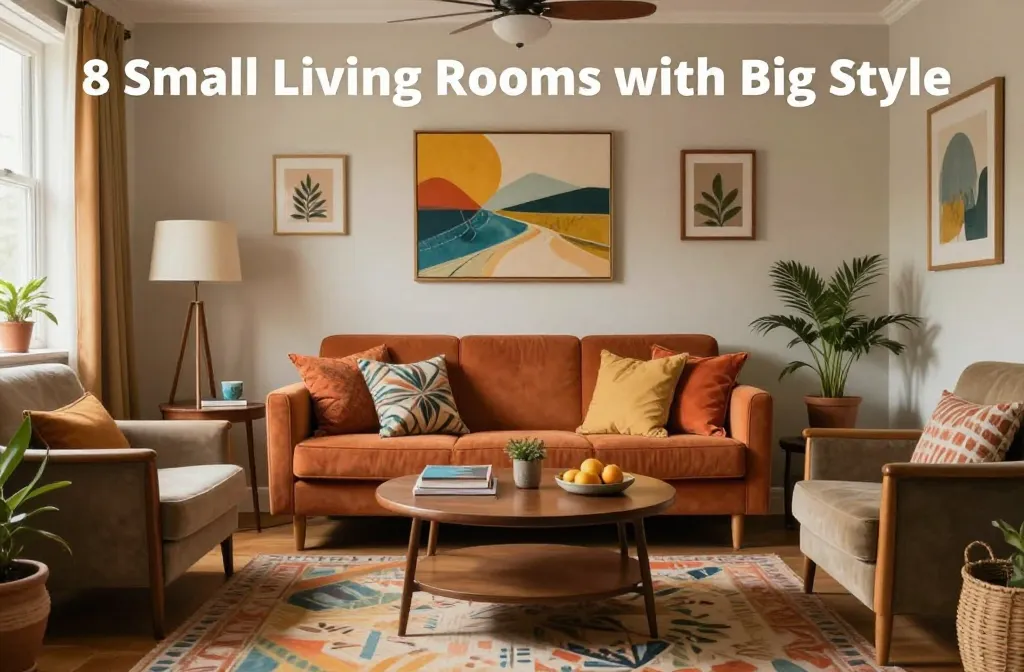
Small living room? Same. The good news: size doesn’t decide style—decisions do. With a few smart moves, your cozy corner can look intentional, layered, and frankly, expensive. Ready to make a small space punch way above its weight? Let’s steal eight big-style ideas you can copy today.
1. Go Vertical or Go Home
We always think floor space—meanwhile, your walls are just sitting there like unused storage units. Use height to trick the eye and stack function upward.
Smart Vertical Moves
- Mount everything you can: TV, shelves, even lamps. Clear floors = instant breathing room.
- Float shelves near the ceiling: Create a gallery ledge for art and books. It draws eyes up, not out.
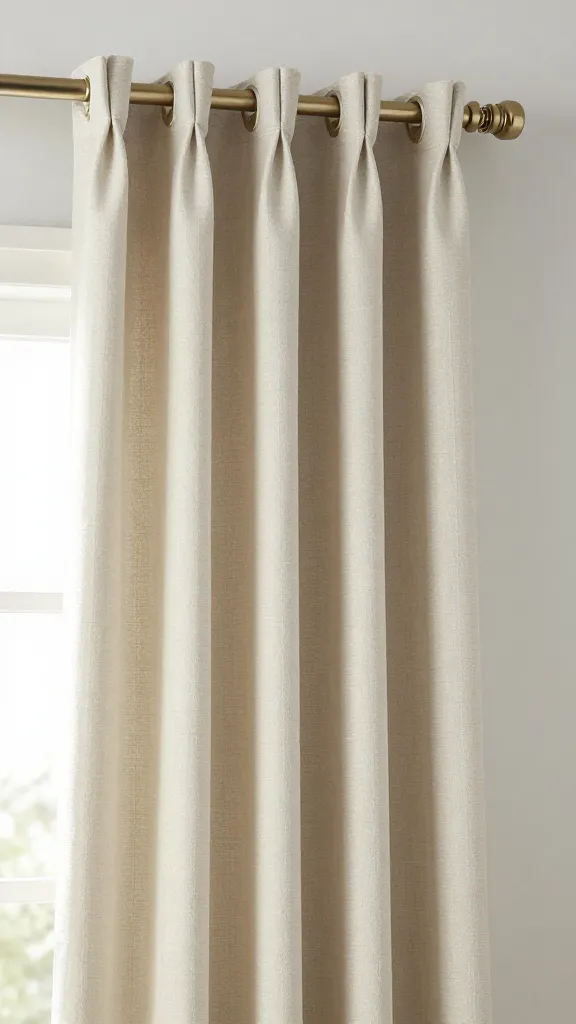
- Hang curtains high and wide: Mount rods 6–8 inches above the window and extend past the frame. Taller windows, no reno required.
Skip the Short Stuff
Short bookcases and squat art make rooms feel stump-y. IMO, pick one tall piece (a cabinet or mirror) to anchor the room and let it do the visual lifting.
2. Furniture That Multitasks (Because Same)

If you don’t have a guest room, home office, and den, your sofa better pick up the slack. I’m not saying turn it into a Transformer, but… kind of.
Pieces That Earn Their Keep
- Ottoman over coffee table: Add a tray and you get footrest + table + hidden storage. Triple threat.
- Sofa with slim arms: You gain seating without hogging space. FYI, blocky arms lie to you.
- Drop-leaf or nesting tables: Expand for guests, shrink for daily life. Commitment-phobes, rejoice.
- Accent chairs with legs: Visible floor reads as airy. Chunky bases feel heavy fast.
Layout That Works
Pull furniture off the walls a few inches. Sounds wrong. Looks right. You’ll create shadow lines that make the room feel deeper.
3. Color: Pick a Lane and Floor It
Bold or quiet both work—just don’t straddle the fence. Consistency stretches a small space; chaos shrinks it.
The High-Impact, Low-Effort Palette
- Monochrome magic: Choose one hue and vary the tones (sage to deep olive, sand to caramel). Layering = richness.
- Color-drenching: Paint walls, trim, and doors the same shade. Boundaries blur, room expands. Chef’s kiss.
- Contrast with intention: One or two high-contrast moments (like a black frame or inky lamp) sharpen the look without chopping it up.
What About White Walls?
White works if you layer texture. Think boucle pillow, linen curtains, matte ceramic, woven tray. Otherwise it reads as “rental untouched” instead of “minimalist chic.”
4. Mirrors and Light: The Illusionists
You don’t need more square footage—you need more light and reflection. Mirrors multiply both.
Mirror Tricks That Don’t Feel 90s
- Lean a tall mirror opposite a window: Doubles daylight, adds depth. Secure it to the wall so gravity doesn’t win.
- Antiqued mirrors or smoked glass: Softer reflections, more mood. Less gym, more gallery.
- Mirrored side table: Adds glamour and reflects light without screaming “I am a mirror!”
Layer Your Lighting
Ceiling boob light? Retire it. Combine:
- Overhead ambient: Flush or semi-flush with a dimmer.
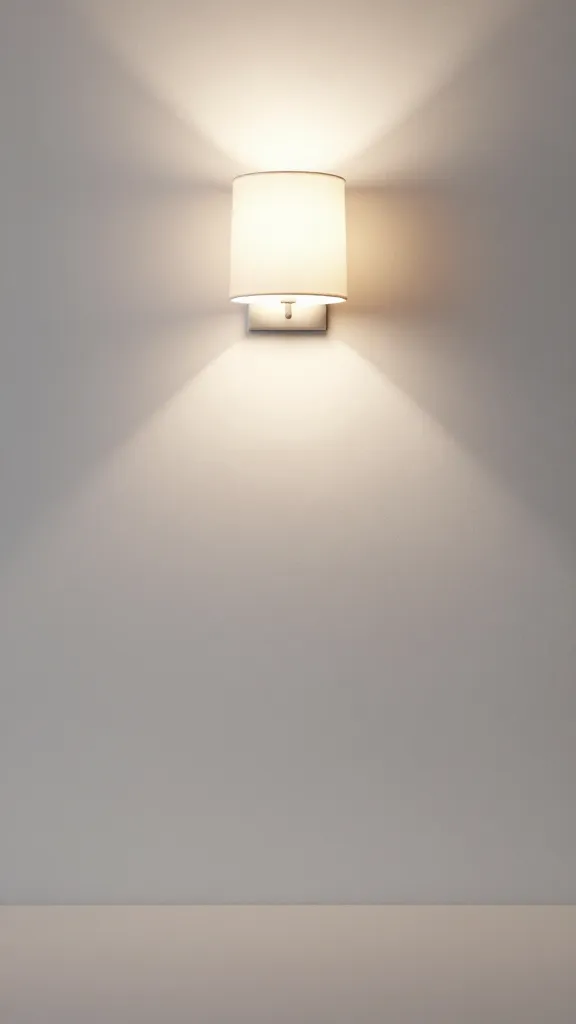
- Task: Floor lamp by the sofa, swing-arm sconce near your reading spot.
- Accent: A petite table lamp on a stack of books or a picture light over art.
Multiple light sources = cozy, not cave-y.
5. Pattern Play (But Keep It Strategic)
Patterns can energize a tiny room or overwhelm it. The secret? Scale and repetition.
Pattern Rules I Actually Follow
- One large-scale pattern + two small-scale: Big floral on pillows, fine stripe on throw, mini check on ottoman. Balanced, not busy.
- Repeat colors: If your rug has blues and rusts, echo them in art or a vase. Your eye likes closure.
- Rug first, everything else second: The rug sets tone and palette. Choose it early to avoid the “accidental circus” look.
Rug Sizing Without Tears
Aim for front legs of sofas and chairs on the rug. Smaller rugs make rooms feel like everything’s floating in a sad puddle. Go bigger than you think.
6. Storage That Hides in Plain Sight
Clutter kills style faster than bad lighting. Get sneaky with storage and your small space instantly levels up.
Built-In Vibes, No Contractor
- Low credenza the length of the wall: Looks custom, hides everything, acts as TV perch.
- Window ledge shelf: A slim shelf right under the window for plants/books. Sun + storage = win.
- Lidded baskets: Tuck under consoles for blankets and kid chaos. Texture helps too.
Edit Like You Mean It
Keep only what you love or use weekly. The rest? Donate or store elsewhere. Harsh, I know, but your square footage can’t babysit impulse buys.
7. Art and Decor: Curate, Don’t Clutter
A small room loves big art. Tiny frames scattered around just make noise.
How to Hang Without Regret
- One oversized piece above the sofa anchors the room. Think bold canvas, not a dozen 5x7s.
- Gallery wall, but tight: Keep frames 2–3 inches apart and stick to a limited palette for cohesion.
- Use objects as art: A sculptural lamp, a chunky vase, or a woven wall piece brings dimension.
Greenery = Life
Add one medium plant or two small ones. They add height, texture, and color. Plus, they make everything look more intentional, IMO.
8. Layout Micro-Tweaks That Change Everything
You don’t need a new sofa—just a new arrangement. Tiny shifts can open pathways and change how you use the room.
Traffic Flow First
- Leave 30–36 inches for main walkways and 18 inches between sofa and coffee table.
- Angle a chair to soften straight lines and create a conversation zone.
- Use a corner: Tuck a floor lamp and petite table to craft a reading nook instead of dead space.
Zones in One Room
Define a mini “entry” with a small rug and hooks. Add a desk behind the sofa for a sneaky office. One room, three functions, zero chaos.
FAQ
How do I make a small living room feel bigger without renovating?
Use vertical storage, high-and-wide curtains, and a larger rug. Stick to a tight color palette and add mirrors opposite windows. Edit decor hard and layer lighting for depth. You’ll gain visual square footage fast.
What’s the best sofa size for a small room?
Look for a sofa between 72–84 inches with slim arms and exposed legs. It reads lighter and still seats two or three. If space runs super tight, try a loveseat plus a loungey accent chair.
Can I use dark colors in a small living room?
Absolutely. Dark, saturated colors look luxe in tight spaces when you color-drench walls and trim. Just add warm lighting, reflective accents, and a few lighter textiles to balance the mood.
How many patterns is too many?
Keep it to three: one large-scale, two small-scale, all sharing colors. If you want more, vary texture instead—boucle, linen, wood grain—so the room feels layered, not loud.
Do I need a coffee table, or can I skip it?
You can skip it if you’ve got an ottoman with a tray or nesting side tables that slide in when needed. Prioritize pieces that move and multitask. Your shins will also thank you.
What lighting should I buy first?
Start with a dimmable ceiling fixture that spreads light evenly. Add a floor lamp near seating and a small table lamp for warmth. Then consider a picture light or sconce if you want extra polish.
Conclusion
Small living rooms don’t need apologies—they need intention. Choose pieces that multitask, scale your patterns, and push storage vertical. Layer light, curate decor, and commit to a color story. Do that, and your little room will deliver big style without breaking a sweat (or your budget).