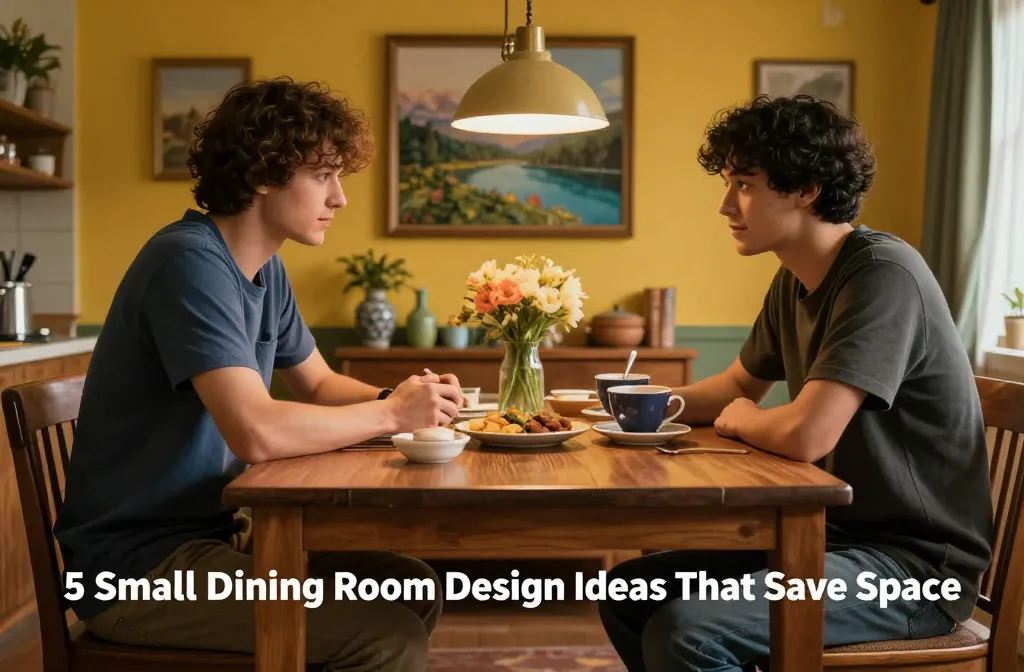
You don’t need a banquet hall to have a beautiful dining space. You just need smart moves, a few bold choices, and a willingness to ditch the bulky furniture. If your dining room shares space with your living room (or your entryway, or your soul), don’t worry. These small dining room design ideas will save space, save sanity, and still look like you tried very, very hard.
Choose a Table That Actually Fits Your Life
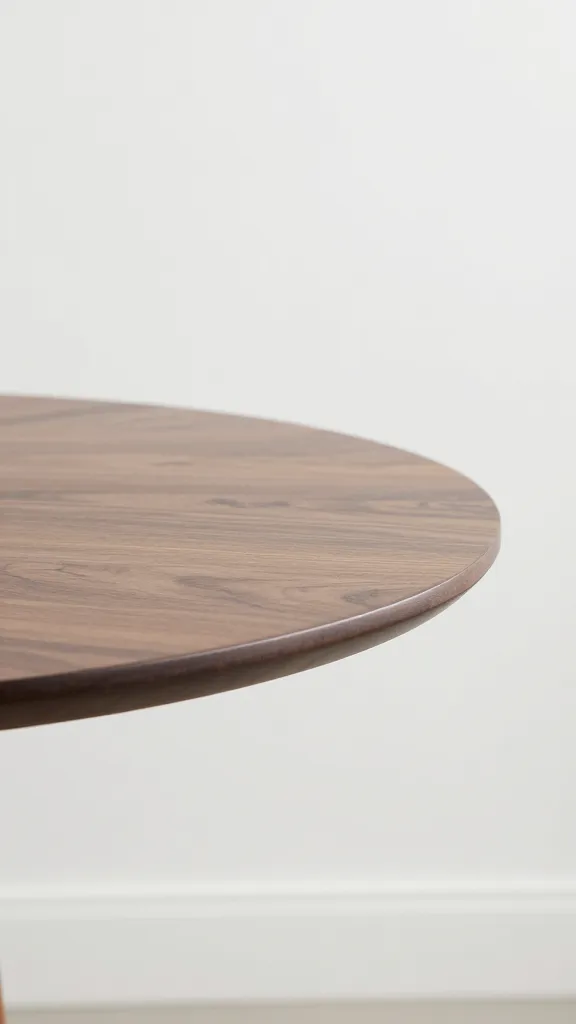
The wrong table eats space faster than hungry brunch guests. Pick a table that serves your daily life first, then guests second. You don’t host ten people every week—so stop buying for fantasy life.
Go Round (or Oval) for Better Flow
Round and oval tables give you curves that corners can’t. People slide around them easily, and they visually soften tight rooms. Plus, they can sit closer to walls without looking crammed.
Use Drop-Leaf and Extendable Options
Drop-leaf tables shrink down for everyday life and expand when you need more elbow room. Gateleg tables fold like champs and look charming while doing it. IMO, a compact round pedestal table with a leaf gives you the best of both worlds.
- Daily mode: 30–36 inches diameter for 2–3 people
- Guest mode: add a leaf to reach 42–48 inches for 4–5 people
- Pedestal base = no leg wars
Use Seating That Disappears (or Multitasks)
Chairs can make or break the room. Choose ones that tuck, stack, or shift roles like they’re auditioning for a musical.
Bench Magic
A slim bench against the wall seats more people in the same footprint. Slide it fully under the table when not in use, or push it to the entry as a shoe bench. You just got two birds, one bench.
Stools and Stackables
Armless, low-profile chairs tuck tightly under the table and keep the room airy. Stackable stools save the day when extra guests show up. FYI, avoid heavy upholstered thrones—you don’t run a castle.
- Seat height: 17–19 inches for standard tables
- Slim backs = visual lightness
- Transparent or open-back chairs make the space feel bigger
Float Storage Off the Floor
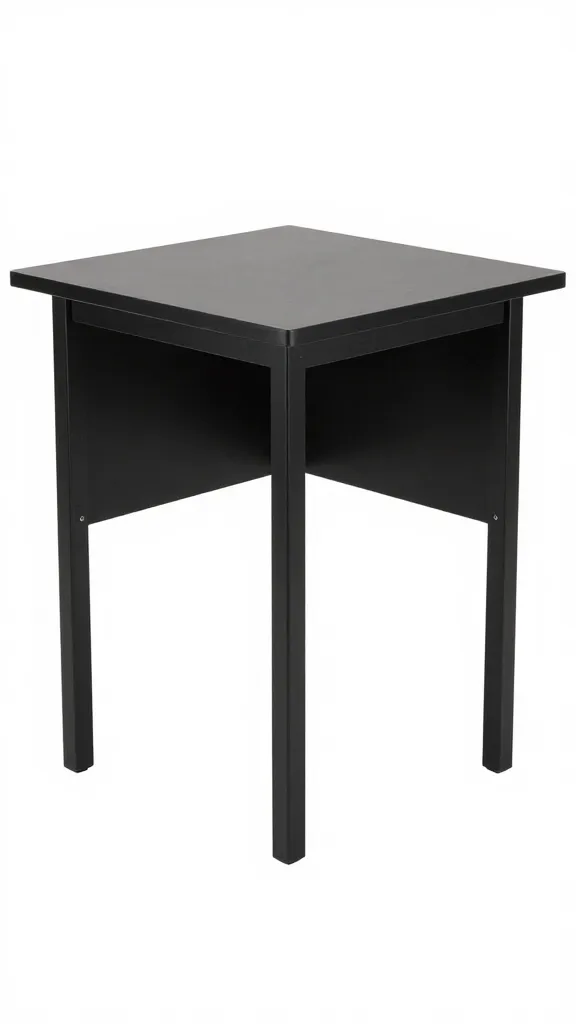
The floor is not your storage unit. Mount what you can, and your dining room will breathe again.
Built-In Vibes Without the Contractor
Use floating shelves for glassware, pretty bowls, or cookbooks. Add a wall-mounted cabinet for linens and candles. Keep the lower walls clear to make the room feel wider—your eye reads more floor, and your brain goes “ahhhh.”
Use Corners Like a Pro
Corner shelves, a tight corner cabinet, or even a vertical wine rack makes dead space pull its weight. Think tall and skinny, not squat and chunky.
- Paint shelves the wall color to minimize visual clutter
- Use baskets to corral napkins, placemats, and chargers
- Limit open shelving to 50% practical, 50% pretty (or it gets messy fast)
Make the Walls Do the Heavy Lifting
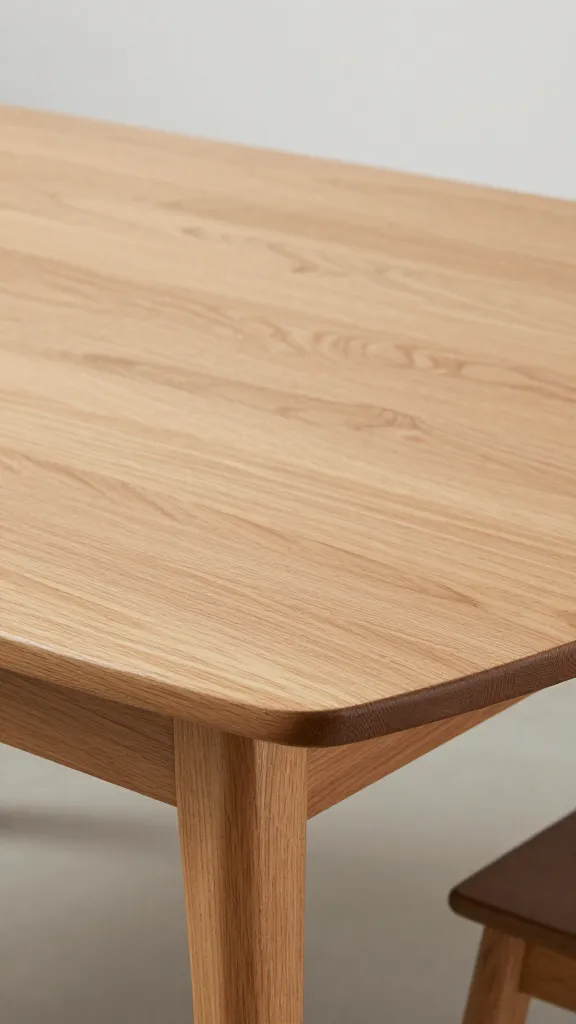
If the floor plan feels tight, take the spotlight up and out. Your walls can stretch the room with the right tricks.
Mirrors = Instant Square Footage (Visually)
A large mirror opposite a window doubles the light and makes the room feel deeper. Hang it horizontally if the space is long and narrow, vertically if you want height. Frame color can match your table for a pulled-together look.
Paint and Pattern That Slims
Keep the walls light but not sterile—soft greige, clay white, or pale sage. Want pattern? Try a small-scale wallpaper on just one wall. Stripes hung vertically lift the ceiling; hung horizontally, they widen the room. Magic, but make it paint.
- Low ceiling? Paint ceiling 1–2 shades lighter than walls
- Use a satin or eggshell finish to bounce light
- Wainscoting or a painted lower half anchors small rooms nicely
Lighting That Works Hard (and Looks Fancy)
Lighting changes everything, including how big your dining area feels. Choose fixtures that spread light evenly and draw the eye up.
Scale It Right
A huge chandelier over a tiny table looks like a spaceship landing. A small, airy pendant keeps sightlines open. Aim for a fixture that’s one-half to two-thirds the width of your table.
Layer the Glow
One overhead light won’t cut it. Add slim wall sconces or a plug-in picture light above a shelf. They bring warmth without stealing floor space. Dimmers let you go from breakfast brightness to dinner drama.
- Hang pendants 30–34 inches above the tabletop
- Choose warm bulbs (2700–3000K) for cozy vibes
- Transparent or open shades keep the room feeling light
Define the Zone Without Building Walls
Open floor plan? Tiny studio? You can carve out a dining “room” with a few smart moves—no drywall needed.
Rug Rules (That Actually Work)
A flatweave rug anchors the area and signals “this is where we eat.” Size it so chairs stay on the rug even when pulled out—usually table size plus 24 inches on all sides. Low pile = easier chair movement and fewer crumbs living rent-free.
Use the Vertical Line
Hang a piece of art centered over the table to set a visual boundary. Or mount a slim shelf behind the seating and style it with plants, frames, and candles. Congrats, you just made a dining zone without lifting a hammer.
- Round table + round rug = cohesive, cozy look
- Keep traffic paths at least 30 inches wide
- If space feels tight, pull the table 6 inches off the wall for breathing room
Bonus: Go Minimal on the Tabletop
Clutter shrinks rooms. Keep the table clean and it’ll look bigger, even if it isn’t.
Centerpieces That Don’t Elbow You
Choose a low bowl, a small plant, or a trio of bud vases. Skip tall branches that block faces—we like seeing our dinner dates. Store placemats and napkins in a nearby basket so you can set and clear quickly.
Material Matters
Glass and light wood read airy. Matte black legs disappear under the table. If you love marble but not the maintenance, try a ceramic-look top that cleans easily. IMO, function beats precious surfaces every time.
- Keep decor under 8 inches tall for tight spaces
- Choose wipeable finishes (kids, pets, life)
- Limit accessories to 3–5 total on surfaces in small rooms
FAQs
How small is too small for a dining table?
For two people, you can get cozy at a 30–32 inch round. For four, aim for 36–42 inches round or a rectangular 28–30 by 48 inches. If that still feels tight, try a drop-leaf that expands only when you need it.
Can I put my dining table against the wall?
Yes, especially in super small spaces. Float it 4–6 inches off the wall so chairs slide easily and it looks intentional. When guests come, pull it out and rotate it—instant extra seating.
What kind of chairs work best in a small dining room?
Armless, slim-profile chairs with open backs or light frames. They tuck under the table and don’t visually crowd the room. If you need flexibility, add two stackable stools you can stash elsewhere.
Do rugs make small dining rooms look smaller?
Not if you size them right. A rug that’s too small chops the space and looks awkward. Pick one that extends at least 24 inches beyond the table on all sides so chairs stay grounded.
How do I make a dark small dining room feel brighter?
Use light wall colors, a large mirror, and layered lighting. Choose glass or open-frame furniture and reflective finishes like satin paint or brushed brass accents. Keep window treatments airy—sheer panels or Roman shades instead of heavy drapes.
What’s the ideal lighting for a dining room that doubles as a workspace?
Use a dimmable pendant for meals and add a plug-in sconce or adjustable task light on a nearby wall or shelf for work mode. Warm bulbs for dinner, slightly cooler (3000–3500K) for productivity. Two modes, one compact space.
Wrap-Up: Small Space, Big Style
A great small dining room isn’t about cramming in more stuff—it’s about choosing the right stuff. Pick a flexible table, seat smart, float your storage, and let your walls and lights do the heavy lifting. Define the zone, keep the table clear, and you’ll host dinners that feel intimate instead of cramped. Space-saving and stylish? That’s a win-win, IMO.