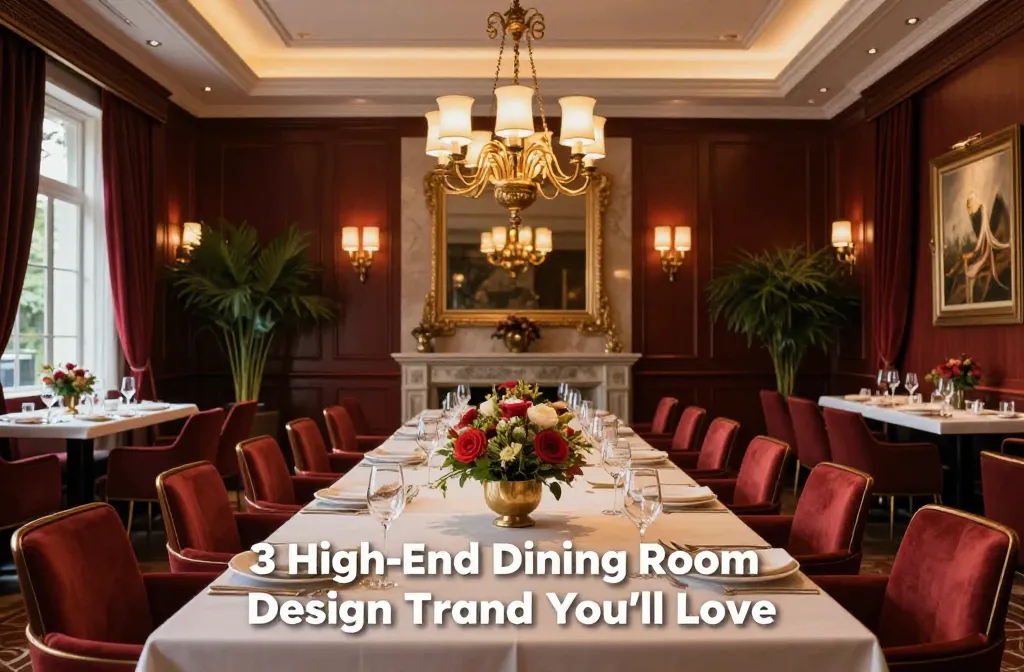
You don’t need a castle-sized budget to make your dining room feel like it belongs in a design magazine. You just need a few smart, high-impact moves. Ready to serve drama with your dinner? Let’s walk through the three high-end dining room trends stealing the spotlight—no stiff formality required, promise.
1) Sculptural Tables That Double as Art
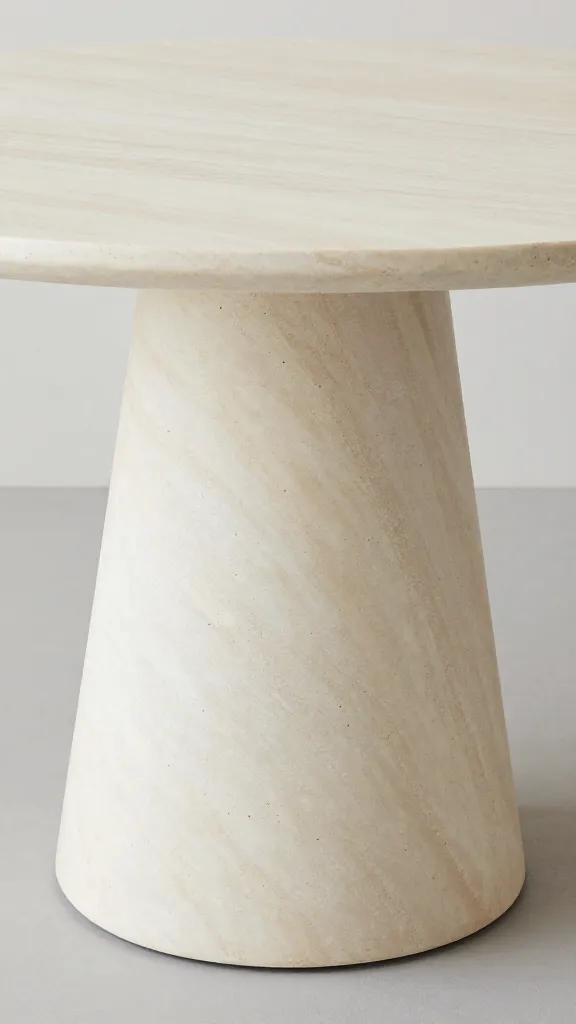
A great dining table sets the tone. A sculptural table takes it further and sets the plot. Think bold bases, unexpected silhouettes, and materials that feel luxe under your fingertips.
Why it works: It anchors the room visually and instantly elevates even simple place settings. Plus, it whispers “custom” even when you shopped it on sale. Your chairs, lighting, and art can play second fiddle—this piece leads.
Materials That Mean Business
– Stone: Marble, travertine, and quartzite bring natural pattern and weight. Seal them if you don’t love living on the edge.
– Wood: Solid oak, walnut, or ash with a matte oil finish gives warmth and richness. Live edges keep it organic without going full lumberjack.
– Metal: Brushed brass or blackened steel bases look sleek and resist trend fatigue.
– Glass: Low-iron glass keeps lines clean and lets the base shine. FYI, it shows fingerprints—keep a microfiber cloth handy.
Shapes That Feel Fresh
– Oval: Soft edges, great flow, zero bruised hips. It feels luxe without trying.
– Racetrack: Like an oval’s cooler cousin—elongated with flattened sides.
– Barrel or boat: Subtle curves along the length, perfect for conversation.
– Asymmetrical pedestal bases: A little off-center for a lot of personality.
Pro tip: Choose a table you can actually clean. If red wine gives you anxiety, maybe don’t do honed white marble. IMO, performance-sealed stone or matte-finished wood nails the sweet spot between beauty and sanity.
2) Moody Monochrome Palettes (With Texture Doing the Heavy Lifting)
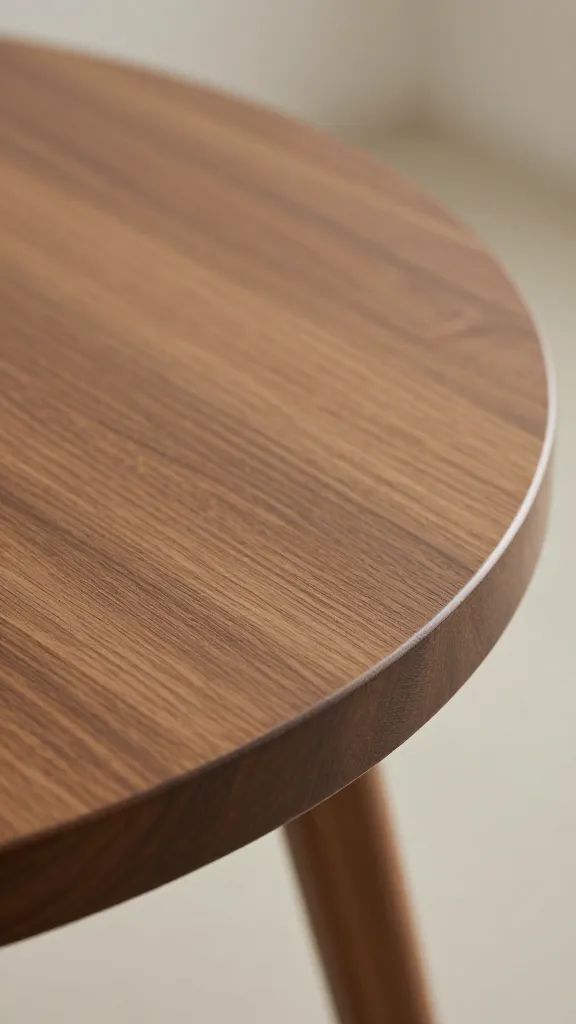
High-end doesn’t mean busy. A tight monochrome palette—think taupe on taupe, charcoal on graphite—reads expensive because everything harmonizes. The trick? Layer textures like you’re styling a runway.
How to nail it:
– Choose a base color family: warm greige, olive, inky blue, or rich espresso.
– Layer tones: walls a shade lighter, dining chairs a notch darker, drapery somewhere in between.
– Pile on texture: boucle upholstery, mohair cushions, ribbed wood, limewash walls, stone with movement, and a plush rug that tells your feet “you’re welcome.”
Lighting That Loves a Moody Room
– Go warm: 2700K to 3000K bulbs create a soft glow. Avoid anything clinical.
– Scale up: A large chandelier or two smaller pendants feels intentional, not skimpy.
– Dim everything: Install dimmers so you can set “dinner party” rather than “dentist.”
Pro tip: Use at least three light sources. Overhead + wall sconces + a buffet lamp = instant ambience. Yes, you’re allowed to feel smug about it.
3) Tailored, Statement Seating (Good Looks + Real Comfort)
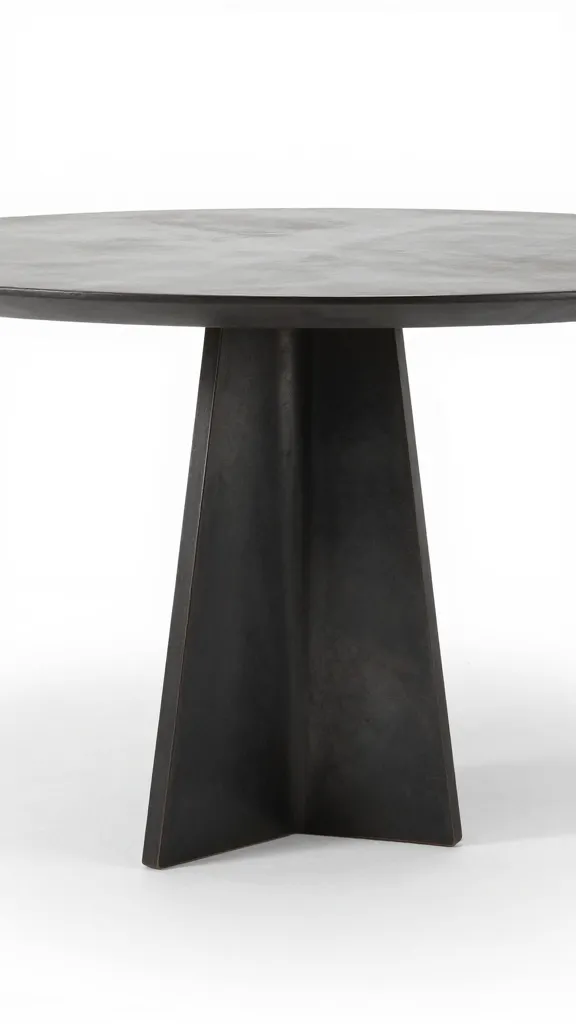
If you’ve ever survived a three-hour dinner on a bad chair, you know: comfort matters. High-end dining rooms invest in chairs that look sculpted but support your spine like a trusted friend.
What to look for:
– Curved backs: Hug your body, soften the room, and photograph beautifully.
– Mixed materials: Wood frames with boucle, saddle leather with metal legs—contrast equals character.
– Performance fabrics: Spill-friendly velvet, stain-resistant linen blends. Respect your future self.
Bench vs. Chairs vs. Captain’s Chairs
– Chairs all around: Polished and easy to move. Try armless on the sides for flow.
– Benches: Great for tight spaces and families. Add cushions for comfort.
– Captain’s chairs at the ends: A little throne moment never hurt anyone.
Pro tip: Check seat height (18-19 inches) against table height (28-30 inches). Knees under table, forearms comfy—no T-rex posture at dinner.
Set the Scene: Layered Lighting That Flatters Everyone
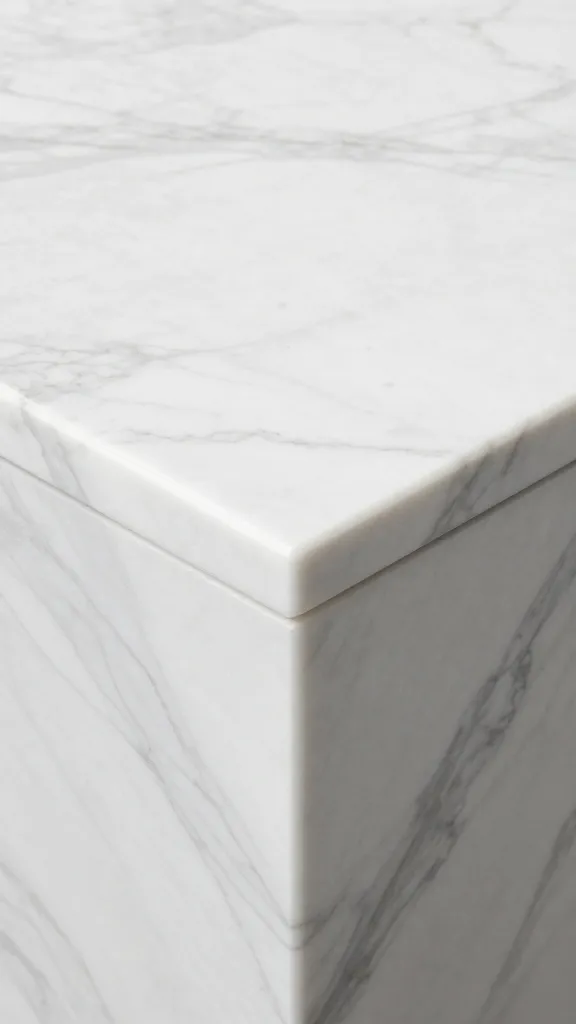
Yes, lighting deserves its own moment. It makes food look better, people look glowier, and the whole room feel high-end without trying too hard.
– Overhead: Go sculptural with brass, alabaster, smoked glass, or matte black. Scale it to about two-thirds the width of your table.
– Wall: Add slim sconces to flank a credenza or artwork. Instant architecture.
– Accent: A petite lamp on the buffet or a rechargeable lamp on the table for that restaurant vibe.
Pro tip: Hang chandeliers 30-36 inches above the tabletop. Too high and it floats away; too low and you’ll bonk your head during dessert.
Material Mixology: Rich, Tactile, and Not Too Matchy
Luxury loves contrast. Pair cool stone with warm wood. Add metal accents. Use textiles that invite touch. Then step back and admire your restraint.
Winning combos:
– Walnut table + linen slipcovered chairs + brass chandelier + wool rug
– Travertine top + blackened steel base + saddle leather seats + plaster sconces
– Ash table + boucle chairs + smoked glass pendant + sisal or jute underlayer
Rug Rules (So You Don’t Trip)
– Size up: Rug extends 24 inches beyond the table on all sides so chairs stay on the rug even when pulled out.
– Fiber check: Wool blends clean easily. Layer a flatweave with a plush rug pad for comfort and stability.
Art, Accents, and The “No Clutter” Rule
High-end rooms breathe. That means fewer, better accents and art that feels intentional. You can skip the “Live, Laugh, Love” plaque. We’ve all graduated.
Easy wins:
– One oversized art piece instead of a gallery wall that stresses you out.
– A sculptural bowl or candle on the table—simple, centered, dramatic.
– A real plant or two. Fig, olive, or a dramatic branch in a tall vase. Nature = instant polish.
Pro tip: Hide the extras. Store linens, candles, and serving pieces in a sleek sideboard. Out of sight, yet heroically within reach.
FAQ
How big should my dining table be for the room?
Leave at least 36 inches of clearance from table edge to walls or furniture. If you’ve got the space, 42-48 inches feels luxurious. For seating, plan 24 inches of width per person so no one elbows the bread basket.
Can I mix metals, or will it look chaotic?
Mix away—just keep one dominant finish. For example, 70% warm brass, 20% blackened steel, 10% polished nickel. Repeat each finish at least twice so it looks intentional, not accidental.
What paint finish works best for dining rooms?
A matte or eggshell on walls gives a soft, luxe vibe and hides minor wall sins. Use satin or semi-gloss on trim for contrast and durability. If you want movement without pattern, try limewash or Roman clay for a subtle, cloudy texture.
Do I need a rug under the dining table?
Not mandatory, but it adds warmth and helps with acoustics. Choose something low-pile or flatweave so chairs glide easily. If your flooring already shines (hello, herringbone), skip the rug and lean into bold chairs instead.
How do I make it kid-friendly without killing the vibe?
Performance fabrics, sealed stone or durable wood, and chairs without fussy crevices save your sanity. Use wipeable placemats and stash table linens until guests arrive. IMO, form and function can totally be friends.
What centerpiece works for everyday?
Keep it low and simple: a single sculptural vase, a footed bowl with seasonal fruit, or three staggered candles. Save the dramatic florals for guests or when you feel extra.
Conclusion
You don’t need an entourage of decorators to pull off a high-end dining room. Focus on a sculptural table, a moody monochrome palette, and seating that looks couture but sits like a dream. Layer in great lighting, tactile materials, and edited accents, and boom—instant restaurant-level atmosphere at home. FYI, the real flex isn’t the price tag; it’s how effortlessly the room works for real life. Dinner at your place? I’ll bring the bottle.