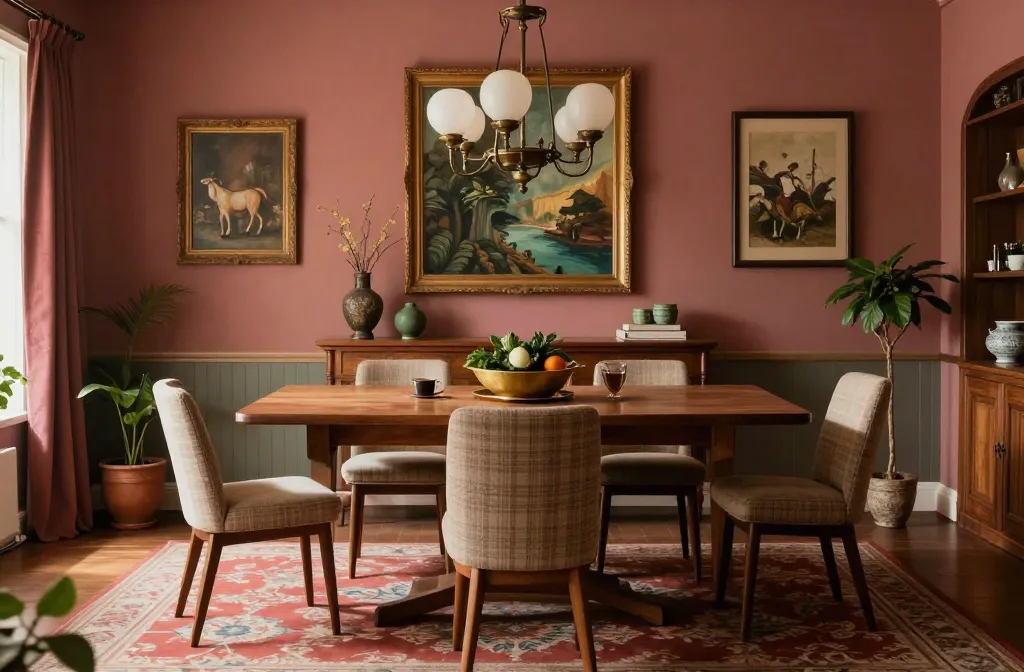
You want a dining room that looks like it leaped straight out of Pinterest, not your aunt’s 1998 furniture catalogue. Good news: you don’t need a stylist on retainer or a chandelier that costs as much as your car. You just need a few smart design choices, a little layering, and the confidence to mix textures like a pro. Ready to build a vibe your dinner guests will low-key envy?
1. The Warm Minimalist: Soft, Simple, and Seriously Chic
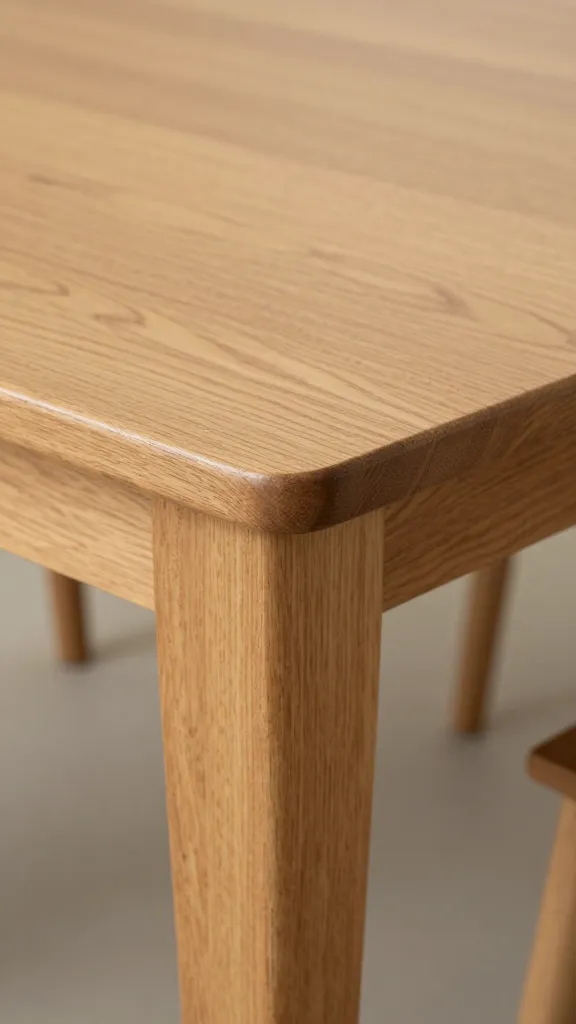
Clean lines don’t mean cold vibes. The warm minimalist look balances pared-back shapes with cozy textures so your dining room feels calm, not clinical. Think of it as minimalism, but with a pulse (and actual chairs people want to sit in).
- Color palette: Creams, sand, oat, and warm grey. Add one grounding shade like charcoal or espresso.
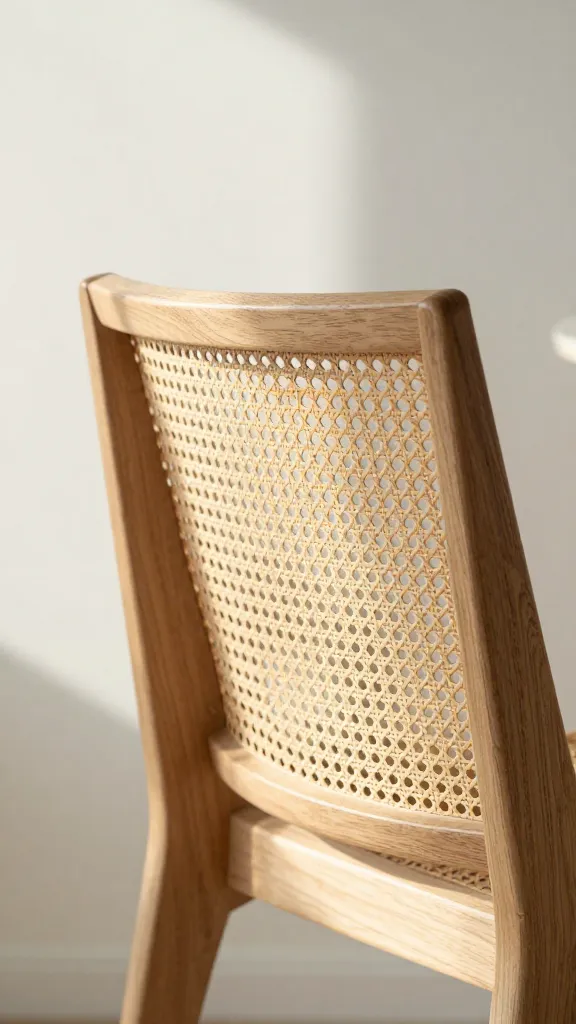
- Materials: Oak or walnut wood, linen slipcovers, matte ceramics, and woven cane.
- Furniture: A simple rectangular wood table, upholstered or wishbone chairs, neutral rug with subtle pattern.
How to Layer Without Clutter
Start with a neutral rug, then add a wood table that shows grain. Use upholstered chairs for softness. Finish with a matte pendant light and a low centerpiece—maybe a stone bowl with branches. You’ll get depth, texture, and a “don’t mess this up” simplicity. FYI: storage baskets under a console keep things tidy but lived-in.
2. The Moody Bistro: Drama, But Make It Dinner
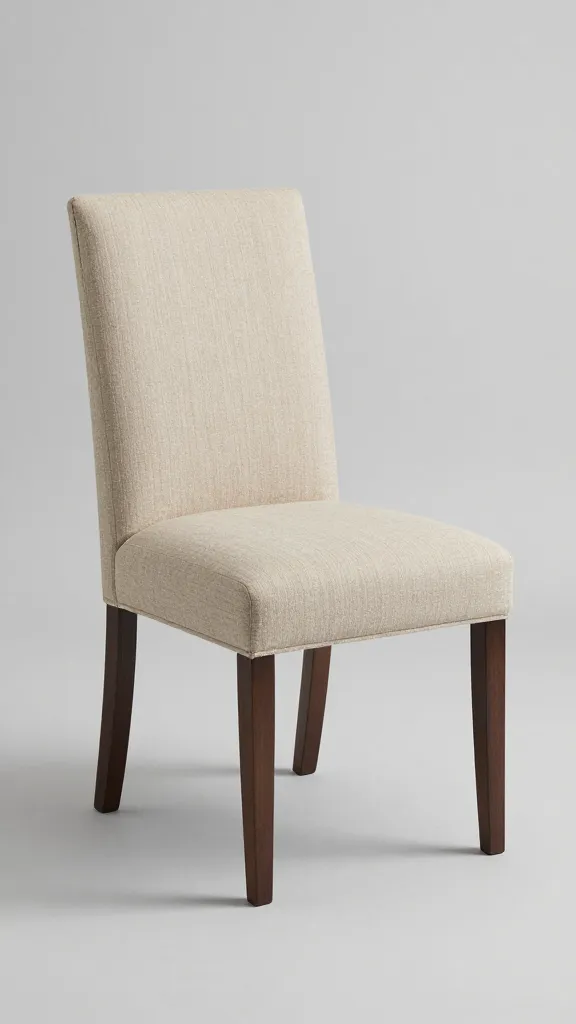
If you want your dining room to feel like that cozy restaurant where you linger for hours, go moody. Dark walls work wonders. They’re dramatic, flattering, and instantly make IKEA glassware look fancy. Science? No. Magic? Kinda.
- Wall color: Deep green, charcoal, ink blue, or chocolate brown.
- Lighting: Statement pendant or globe light with dimmers. Sconces if you want extra atmosphere.
- Accents: Brass hardware, velvet cushions, aged mirror, and vintage art.
Make It Cozy, Not Cavey
Balance the dark walls with warm wood, creamy textiles, and soft lighting. Add candles (unscented for dinners, IMO) and a small bar cart for personality. A round table enhances flow and encourages conversation. Bonus points if you bring in a checkered rug—instant bistro energy.
3. Scandi-Organic: Light, Airy, and Effortlessly Put-Together
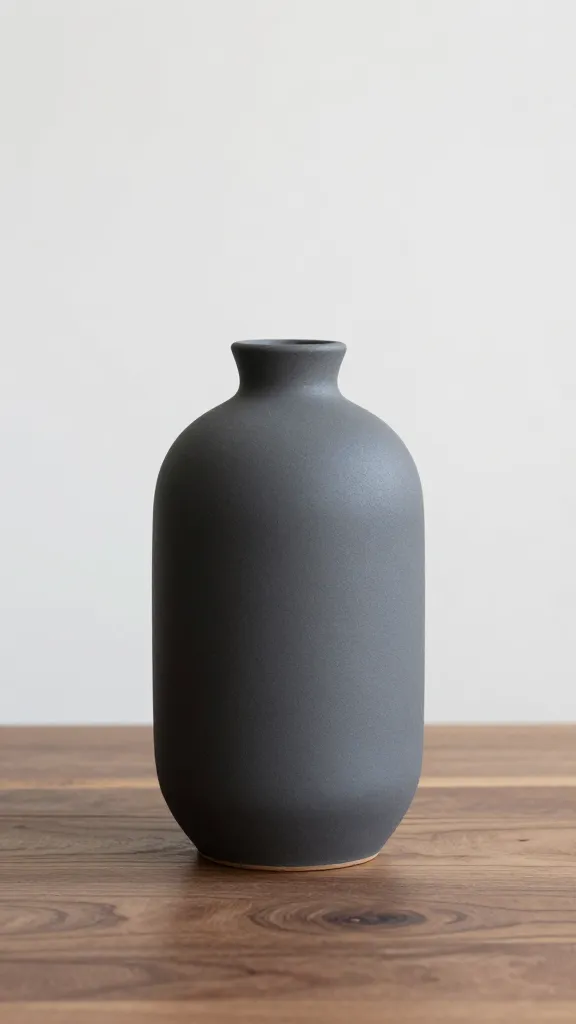
This is the look that screams “I drink pour-over coffee and have matching napkins,” even if you don’t. It combines Scandinavian simplicity with organic shapes for a bright, serene space that never tries too hard.
- Key shapes: Oval or pill-shaped table, rounded chairs, pebble-like ceramics.
- Texture play: Bouclé or wool cushions, jute or sisal rug, stoneware vases.
- Palette: White walls, pale wood, soft green or taupe accents.
Plants and Natural Light Do the Heavy Lifting
A tall olive tree or fiddle-leaf fig adds instant life. Keep window treatments sheer to let light spill across pale wood. Layer an earthy runner down the table and call it a day. Simple, fresh, and very “saved to my moodboard” energy.
4. Collected Eclectic: The Curated-Over-Time Look (Even If You Bought It Last Week)
You love personality, color, and pieces with a story. Welcome to the curated-eclectic dining room—where vintage meets modern and nothing matches perfectly on purpose. This one photographs insanely well because it feels real.
- Mix eras: Mid-century chairs with a rustic farmhouse table. Or modern tulip table with antique bentwoods.
- Pattern play: Turkish rug, striped linen napkins, and botanical art—yes, all together.
- Color strategy: Pick a main color and two supporting tones. Repeat them across textiles and art.
The Art Wall That Never Feels Try-Hard
Build a gallery wall with vintage frames, sketches, thrifted landscapes, and one modern print. Keep spacing consistent and hang everything lower than you think—eye level matters. Add a console under it with stacked books and a sculptural lamp and boom: instant character.
5. Coastal Without the Seashells: Light, Breezy, and Grown-Up
This isn’t beach-house kitsch. It’s coastal done right—airy, sun-washed, and layered with natural textures. Great if you want a vacation vibe without a single “Live, Laugh, Love” sign in sight.
- Materials: White oak, rattan, seagrass, and linen.
- Palette: Warm white, sandy beige, stormy blue, and soft slate.
- Details: Striped runner, ceramic jugs, and artwork with horizon lines.
Set the Table Like a Pro
Layer a striped runner, add simple white plates, and swap in woven chargers for texture. Use tapered candles in stone or wood holders for warmth. Finish with a low bowl of citrus or eucalyptus stems. It reads quietly coastal, not nautical cosplay.
6. High-Contrast Modern Farmhouse: Black, White, and Tons of Texture
Farmhouse evolved and got an edge. Keep the warmth of rustic wood, but pair it with sharper silhouettes and moody accents. It’s equal parts cozy and polished.
- Anchor pieces: Reclaimed wood table, black metal light fixture, white or black windsor chairs.
- Textures: Chunky knit throws, stoneware pitchers, matte black flatware.
- Flooring/rug: Vintage-look Persian or a black-and-ivory geometric.
Go Big on Lighting
A linear chandelier or oversized dome pendant over a long table makes the whole room feel intentional. Add dimmers (non-negotiable). A bench on one side of the table softens the layout and seats extra people—kids pile on, adults pretend they’re comfortable. Everyone wins.
7. Small Space, Big Impact: Apartment-Friendly Tricks
No dining room? Same. Create a “zone” like a pro with a rug that frames your table and chairs. Choose a round table to save space and improve flow. Then make the wall do heavy lifting.
- Wall tricks: Large round mirror to bounce light. Narrow console that doubles as a bar or buffet.
- Foldable wins: Drop-leaf table or stackable chairs for instant hosting mode.
- Storage: Floating shelves for glassware, trays for corralling linens.
Styling That Doesn’t Eat Space
Keep centerpieces low-profile and moveable. Use a single statement pendant to anchor the area. Choose dining chairs with open backs so the room looks lighter. FYI: clear acrylic chairs add seats without the visual bulk—controversial, but effective.
FAQ
What’s the easiest way to make my dining room look “Pinterest-y” fast?
Swap the light fixture first. A statement pendant changes the whole mood. Then layer in a rug, add a large-scale art piece or mirror, and bring in a simple centerpiece like a ceramic bowl with greenery. These four moves do 80% of the heavy lifting.
How do I pick the right rug size for under the table?
Choose a rug that extends at least 24 inches beyond the table on all sides so chairs don’t catch when you pull them out. If you own a leaf, size up. Flatweave or low-pile works best for crumbs and easy vacuuming.
What dining table shape works best for my space?
Round tables shine in small or square rooms and keep traffic flowing. Rectangular tables fit longer rooms or open-plan layouts. Oval tables give you the best of both—softer edges, but lots of seating. IMO, oval reads the most elevated with the least effort.
How do I mix chairs without it looking chaotic?
Keep one element consistent—color, material, or silhouette. For example, mix two upholstered end chairs with wood side chairs in the same tone. Or mix black and natural chairs but keep the shapes similar. Repeat the palette somewhere else, like in the rug or art, to tie it all together.
What’s a budget-friendly way to add character?
Hit thrift stores for art and vessels, then reframe prints in simple wood frames. Swap builder-grade pendants for an affordable statement light. Add a vintage rug (or a vintage-look one), and style the table with a linen runner and candles. Small swaps, big vibes.
Do I really need dimmers?
Yes. Dimmers turn a regular Tuesday into moody dinner magic. Bright for homework or work calls, low for date night. Lighting sets the tone faster than any paint color, promise.
Conclusion
You don’t need a brand-new dining set or a thousand inspo pics to nail the Pinterest look. Pick a vibe—warm minimalist, moody bistro, Scandi-organic, collected eclectic, coastal, or modern farmhouse—and layer textures, lighting, and a few statement pieces. Keep it comfortable, add personality, and let the room tell your story. Then invite people over and actually use it—that’s the real flex.