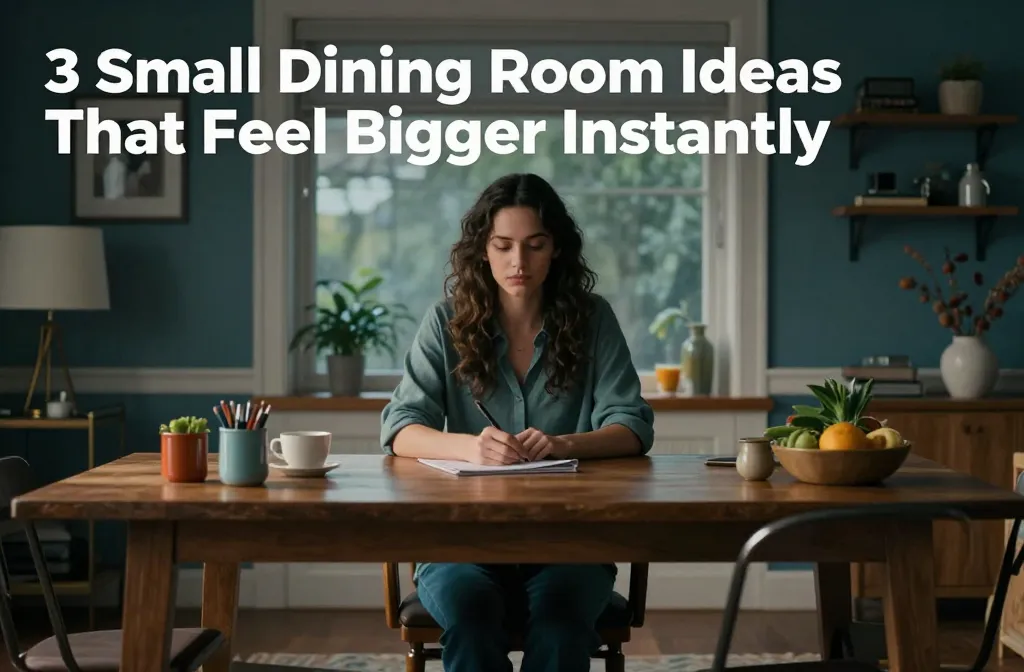
You don’t need a palatial dining room to host a dinner that feels fabulous. You just need a few smart shifts that trick the eye, calm the clutter, and make every inch work harder. Think of it like wardrobe magic: the right fit, the right lines, the right accessories. Ready to make your tiny dining room feel big—instantly?
Start With Scale: Furniture That Fits (But Still Feels Generous)
The quickest way to shrink a room? Oversized furniture that bulldozes your floor space. Pick pieces that match the footprint: slimmer silhouettes, round corners, and legs you can actually see under. Visible legs = visual air = instant breathing room.
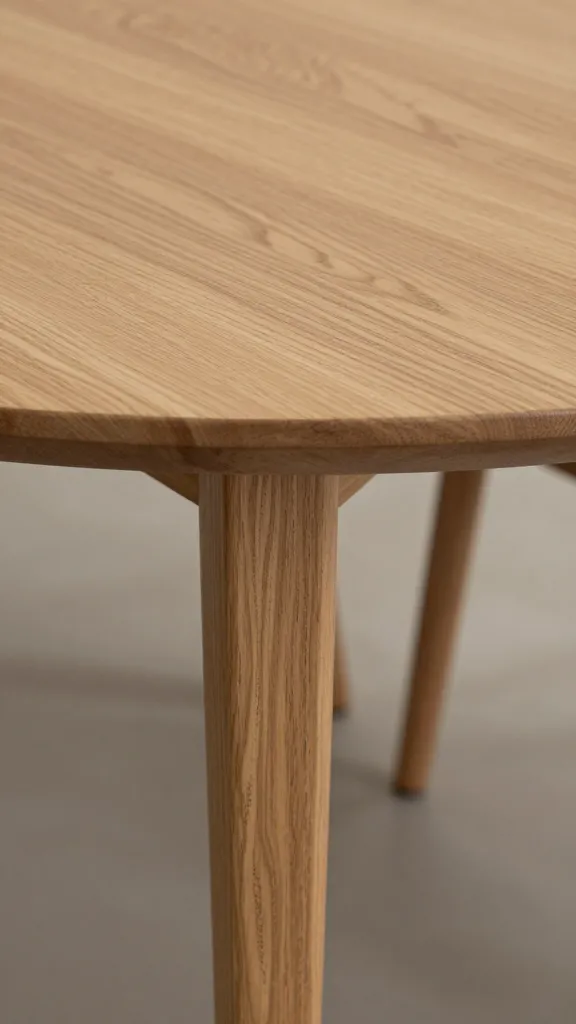
- Choose a round or oval table. It softens sightlines and lets people move around without hip-checking corners.
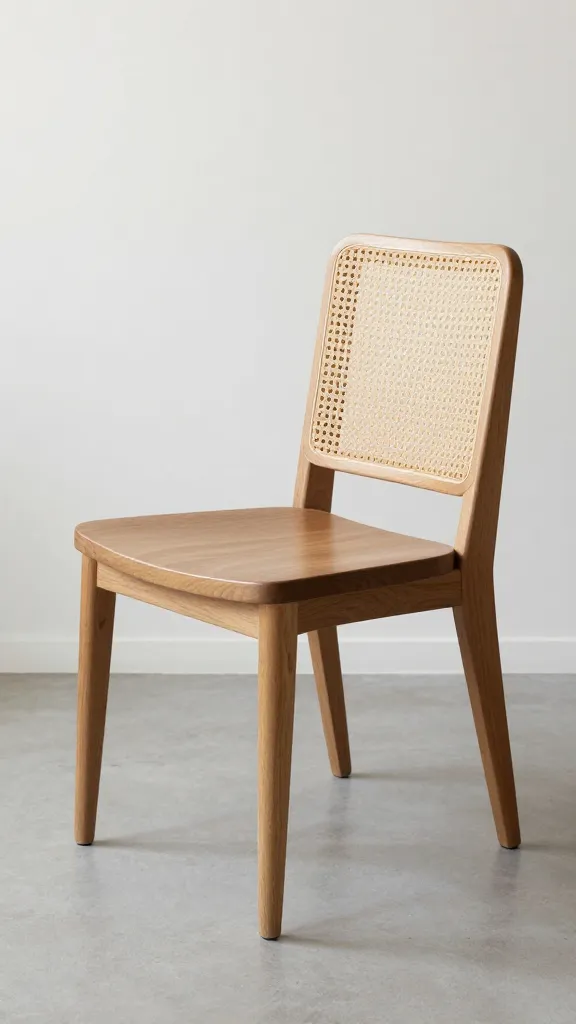
- Opt for armless chairs. They tuck in neatly and save precious inches.
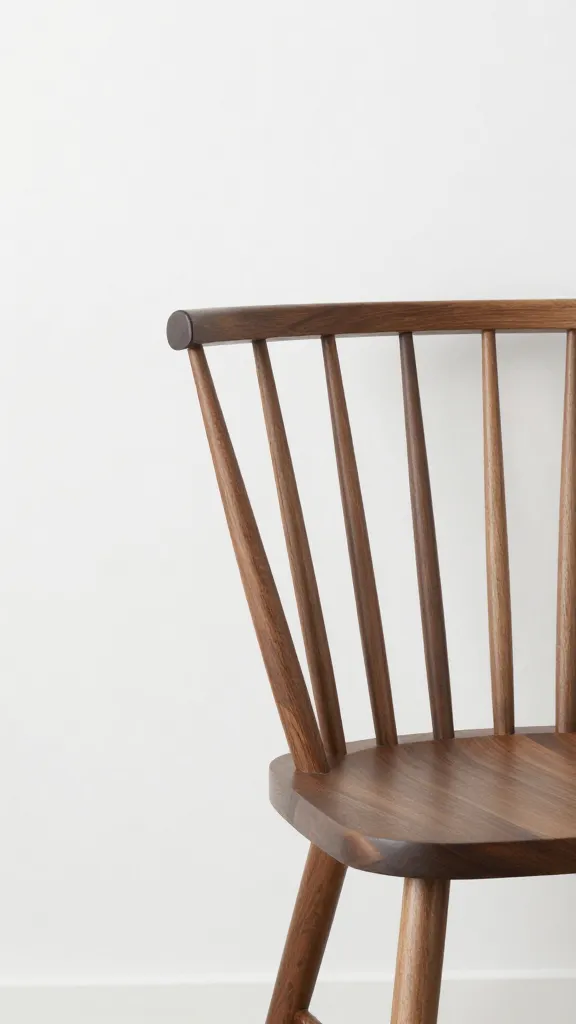
- Keep chair backs open. Spindles or cane backs look lighter than solid slabs.
- Use a bench on one side. A slim bench slides under the table when not in use and sits more people in less space.
Pro Tip: One “Hero” Piece, Not Three
You can go bigger with one statement item—like a stunning table—if everything else stays visually light. It creates focus without crowding. Think: thin-profile chairs, a low centerpiece, a delicate pendant.
Light Like You Mean It: Brightness = Bigness
Light expands space. Dark corners visually close in a room fast, so chase them away with layered lighting. Overhead light alone turns dinner into a dentist appointment—no thanks.
- Mount a mirror opposite a window. It doubles natural light and makes the room read twice as wide.
- Hang a pendant or chandelier that’s airy. Nothing with a heavy drum shade, unless you enjoy “hovering UFO” vibes.
- Add table or wall lamps. They warm the perimeter and pull your eye outward.
- Keep window treatments minimal. Sheer panels or Roman shades that tuck up cleanly invite more light in.
How High Should That Fixture Hang?
Aim for 30–36 inches above the table surface. It keeps the light intimate but not claustrophobic. And get a dimmer—because nobody wants interrogation-level brightness over spaghetti night.
Go Vertical: Pull the Eye Up (Hello, Height!)
When you can’t go wide, go tall. Emphasize the height you have, and you’ll stretch the visual envelope.
- Install drapery high and wide. Mount rods a few inches below the ceiling and extend beyond the window frame. Bigger window vibes, unlocked.
- Use vertical stripes or paneling. Thin stripes, beadboard, or vertical slats elongate walls. Subtle = sophisticated.
- Style a tall, narrow cabinet. A slim hutch or ladder shelf adds storage without hogging floor space.
Ceiling Moves That Work
– Paint the ceiling a tiny bit lighter than the walls for lift.
– Add a simple ceiling medallion around your pendant—small detail, big polish.
– Keep crown molding slim, not chunky, so it doesn’t weigh the room down.
Declutter Like You Mean It: Curate Surfaces
Visual clutter compresses rooms. You don’t need twenty candlesticks and a seasonal gnome army. Edit hard, then edit again.
- Float the furniture. Leave a few inches from walls if possible—counterintuitive, but it creates shadow lines that read “spacious.”
- Use closed storage for the messy stuff. Linens, chargers, and napkin rings can vanish into a sideboard.
- Corral the smalls. One tray for salt, pepper, and a petite vase beats scattershot knickknacks.
Centerpiece Rules of Engagement
Keep it low and narrow. A slim runner, a single sculptural bowl, or a trio of bud vases works. High drama centerpieces belong in ballrooms—IMO.
Color and Materials: Keep It Light, Add Contrast Smartly
Color can push walls out or pull them in. Lighter tones reflect more light and open the space up. But you still want depth so it doesn’t feel like a bland cloud.
- Go for a light, neutral base. Cream, soft gray, pale sage—friendly and reflective.
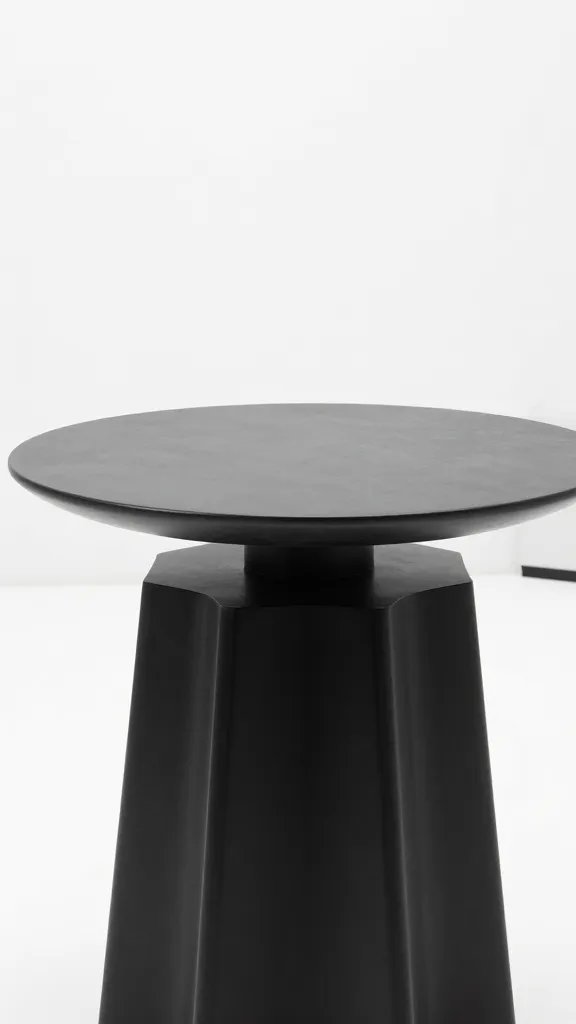
- Add one grounded element. Dark table, black-framed art, or oil-rubbed bronze hardware creates crisp contrast that sharpens edges.
- Use reflective and translucent materials. Glass tabletops, glossy finishes, and metallic accents bounce light around.
What About Wallpaper?
Yes, but pick small-scale prints or vertical patterns in light palettes. Textured grasscloth adds cozy depth without visual noise, FYI.
Layout Hacks: Pathways Matter More Than You Think
A room feels bigger when you can move through it easily. Protect your walkways like sacred ground.
- Leave 36 inches clear around the table where possible. If not, a minimum of 30 inches still works.
- Use a round rug to echo a round table and smooth traffic flow.
- Push storage to corners and keep wall art centered at eye level to balance the room.
Small Room, Big Guest List?
– Choose a drop-leaf or extendable table that grows when needed.
– Stackable or folding chairs live in a closet between parties.
– Serve family-style from the kitchen console to keep the table clean and comfy.
Mirrors and Art: Scale and Placement Are Everything
Mirrors can double your visual square footage if you use them intentionally. Art can either open the room or make it feel cramped—choose wisely.
- Hang one large mirror instead of multiple tiny pieces. Big = seamless = airy.
- Keep art with light backgrounds and minimal frames to avoid heavy edges.
- Try a gallery “grid” of 4–6 pieces with generous spacing for structure that doesn’t overwhelm.
Frame Finish Matters
Thin black or brass frames feel crisp. Chunky frames feel bulky. If you love ornate, keep it to one standout piece so it reads as character, not clutter.
3 Small Dining Room Ideas That Feel Bigger Instantly (The TL;DR)
Let’s pull it together with three quick wins you can do this weekend:
- Swap to a round table and armless, open-back chairs. The sightlines open up and movement gets easier—instant flow.
- Hang a large mirror opposite your best light source. Boom. More brightness, more depth, more “Did your room get bigger?” comments.
- Mount curtains high and wide, then declutter the table. Taller windows + clean surfaces = room that breathes.
FAQ
What size rug works best in a small dining room?
Pick a rug that extends at least 24 inches beyond the table on all sides so chairs slide without catching. If space is tight, go round with a round table. The curved edge visually softens the room and keeps pathways smooth.
Can I use dark walls in a tiny dining space?
You can, but balance them. Pair dark walls with light furniture, mirrors, and high-contrast art to keep it crisp. Add multiple light sources and reflective finishes so the room reads moody, not cave-like.
How many chairs should I keep out day to day?
Keep only what you use most: usually 2–4. Store extra stackable chairs nearby. Less chair clutter means easier movement and a room that feels bigger, IMO.
Is a glass table really better for small rooms?
Glass tops help because you can see more floor and chair legs through them, which feels airy. If glass isn’t your vibe, pick a slim, light-wood top with tapered legs for a similar effect.
What’s the best art placement above a sideboard?
Center a single large piece or a tidy grid 6–8 inches above the top. Keep it about 60 inches from the floor to the center of the artwork for natural eye level. Add a lamp on one side and a sculptural object on the other for balance.
How do I make a rental-friendly impact?
Use peel-and-stick wallpaper, plug-in sconces with cord covers, and tension-rod drapery hung high. Add a big mirror you can take with you. Small moves, zero security deposit drama.
Conclusion
Small dining rooms can absolutely punch above their weight. Get the scale right, layer your light, pull the eye up, and keep surfaces curated. Add one or two bold moments for personality, and suddenly your “cozy corner” feels intentional—dare I say, chic. Now go set the table and enjoy the extra elbow room you just created.