You don’t need a castle-sized dining room to throw a great dinner. You need smart moves, a little flexibility, and furniture that works as hard as you do. If your “dining room” is technically the end of your living room (or your kitchen walkway), you’re in the right place. Let’s make that small space look intentional, stylish, and shockingly functional.
Fold It, Tuck It, Love It: Flexible Tables That Change Size
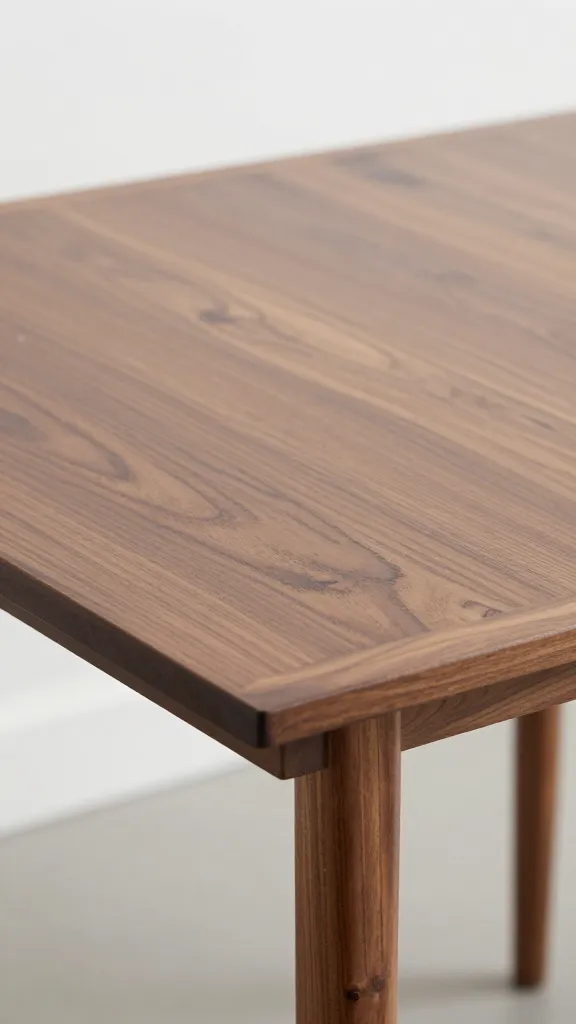
Small-space dining starts with a table that doesn’t hog square footage. You want a piece that expands for guests and shrinks on weeknights. Drop-leaf, gateleg, or extendable tables give you range without demanding dedicated real estate.
- Drop-leaf tables fold down on one or both sides. Keep one leaf up for everyday meals; flip both up when you host.
- Gateleg tables have legs that swing out to support leaves. They double as narrow consoles when not in use. Magic, basically.
- Extendable tables hide leaves inside or add panels. Look for smooth hardware and sturdy support so no one gets the wobbly end.
Smart Placement Tips
- Push the table against a wall or window most days. Pull it out for guests—easy.
- Round or oval shapes cheat tight corners and keep traffic flowing.
- Choose tables with slim legs or pedestal bases so you can slide more chairs around without leg wars.
Bench It: Seating That Slips Out of Sight

Chairs eat up space. Benches? They slide under the table and vanish like a pro. They also seat more people in a pinch and look cohesive without a sea of chair backs.
- Backless benches offer the smallest footprint and tuck completely under most tables.
- Storage benches hide placemats, candles, and that pile of napkin rings you “might” use someday.
- Upholstered benches add comfort and soften a hard-surface-heavy zone (hello, wood floors and tables).
When to Mix Chairs and Benches
Use a bench on one long side and two chairs on the ends. You get looks, flexibility, and no one scrambles for the comfy seat. IMO, this combo wins for apartments and odd-shaped rooms.
Own the Corner: Built-In or Faux Banquette Seating
Corners are dead zones unless you banquette them. A built-in (or convincing faux built-in) turns a neglected nook into a dining powerhouse. You gain seating, storage, and a vibe that says “I know what I’m doing.”
- L-shaped banquettes wrap the corner and seat more people without floating chairs in the walkway.
- Storage below makes room for seasonal serveware, table linens, and board games. Yes, board games—dining rooms can multitask.
- High backs feel cozy and can visually define the dining zone in an open layout.
DIY the Look (Without Construction)
Arrange two storage benches in an L-shape, top with custom cushions, and push a pedestal table in front. Add a couple of accent pillows. Boom—banquette energy, zero drywall dust.
Float the Function: Wall-Mounted Tables and Shelves
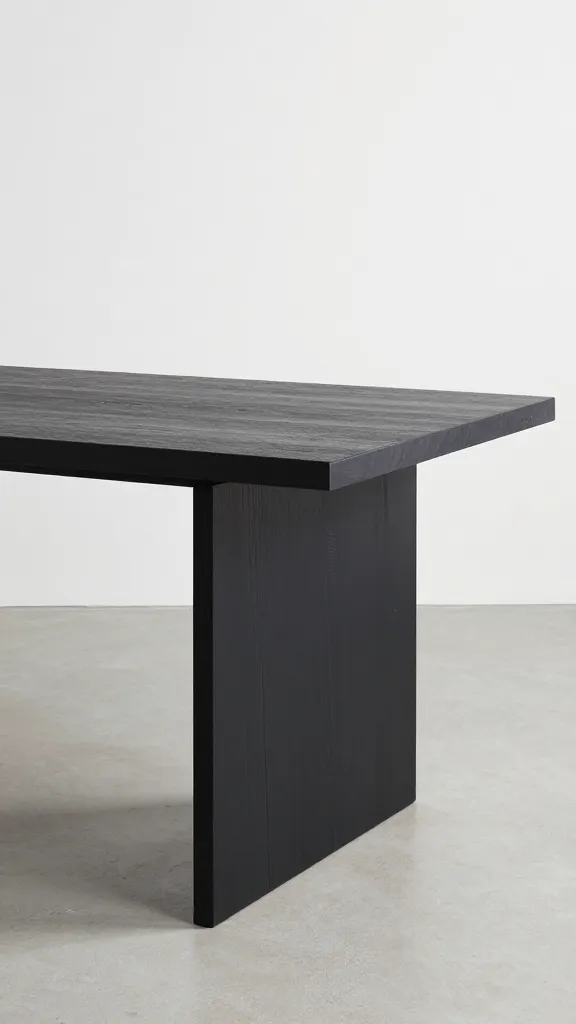
When floor space rebels, go vertical. Wall-mounted drop-leaf tables fold flat between meals. Wall shelves step in for storage so your table surface stays sacred for… you know… eating.
- Fold-down dining ledges create a two-person bistro on demand. Perfect for studio life.
- Shallow shelves above the table keep plates, glasses, and napkins within reach without crowding elbows.
- Sconces free up tabletop real estate while adding moody restaurant lighting (FYI: dimmers are your friend).
Styling That Doesn’t Clutter
Group items by height: taller pitchers or vases on top, plates in the middle, small bowls below. Keep color palettes tight—think two neutrals and one accent—so it reads curated, not chaotic.
Round It Out with Rugs, Lighting, and Mirrors
Design tricks can double how your dining area feels—without moving a wall. You’ll get more visual space, better traffic flow, and a mood that says “stay for dessert.”
- Mirrors bounce light and visually widen tight dining spots. Hang one across from a window if you can.
- Round rugs under round tables create a soft, compact footprint and keep chair legs from catching corners.
- Pendant lights centered over the table define the zone. Use a compact fixture or a small linear pendant if the table is narrow.
Lighting Height Cheat Sheet
Hang pendants about 28–34 inches above the table surface. Lower feels intimate; higher feels airy. Adjust for the table size and ceiling height—your eyeballs will tell you when it’s right.
Double-Duty Storage: Sideboards, Carts, and Hidden Spots
Your dining space needs storage—but not bulky hutches that swallow the room. Choose agile pieces that work hard and move when needed.
- Skinny sideboards with sliding doors hold dishes while keeping walkways open.
- Bar carts roll out for parties and tuck away after. Stack with glassware, a tray, and your fanciest sparkling water.
- Window ledges and radiators can host plants, serving platters, or a low-profile lamp with the right tray and heat-safe plan.
What to Actually Store (and What to Ditch)
Keep only what you use weekly or monthly. Essentials:
- Everyday plates and bowls
- Two sets of glasses (water + wine or cocktail)
- Flatware and napkins in a drawer or caddy
- One serving board and one large platter
If you haven’t used it in a year, donate it. Yes, even that giant fondue pot. IMO, freedom > guilt.
Layout Moves That Make Space Feel Bigger
Even the right furniture can flop if the layout fights you. Plan like a pro with a quick checklist.
- Leave 30–36 inches of clearance around the table where possible so chairs can slide back without bruises.
- Keep pathways clear from kitchen to table. No furniture speed bumps.
- Scale matters: Narrow tables (30–34 inches wide) work better in tight rooms and still fit a runner and a couple of platters.
- Unify with color: Light walls, medium-tone wood, and a pop of black (mirror frame, chair legs) keep things crisp and cohesive.
Micro-Zoning in Open Plans
Use the rug and pendant to “draw a circle” around the dining area. Align the table with an architectural feature (window, beam, or artwork) so it feels placed on purpose, not just parked.
FAQ
How small can a dining table be and still work?
A 30–36 inch round table seats two comfortably; 36–42 inches can seat four if you like each other. For rectangles, aim for at least 28–30 inches wide and 48 inches long for four seats. Narrower tables fit better in skinny rooms and still handle weeknight meals.
Chairs or benches—what’s more space-efficient?
Benches win on footprint and flexibility, especially if they slide fully under the table. Chairs win on comfort for long dinners. If you can, mix them: bench on one side, two chairs on the ends. Best of both worlds.
Can I put a dining table in my living room?
Absolutely. Define the spot with a rug and pendant or sconce lighting, and keep a low-profile sideboard nearby for storage. Choose a table shape that respects traffic flow—a round or oval table often plays nicest with sofas and coffee tables.
What’s the best lighting for small dining rooms?
A dimmable pendant centered over the table plus wall sconces or a small lamp on a sideboard. Warm bulbs (2700–3000K) make food and faces look great. Keep fixtures compact and hang the pendant 28–34 inches above the tabletop.
Do glass tables really make rooms look bigger?
Yes—glass and acrylic tops visually disappear, so the space reads lighter. Pair with slim bases to avoid a tangle of legs. Just know they show fingerprints, so keep a microfiber cloth nearby. FYI: worth it if your room feels heavy.
What rug size should I choose?
Pick a rug that extends 24 inches beyond the table on all sides so chairs stay on the rug when pulled out. In tiny rooms, go as big as the room allows while keeping at least a few inches of floor showing around the edges.
Conclusion
Small dining rooms don’t limit you—they focus you. Choose furniture that expands when you need it, stash storage where it hides, and use lighting and layout to fake more square footage. Edit hard, style smart, and invite people over anyway. The best dinners happen in close quarters—less distance to pass the bread.