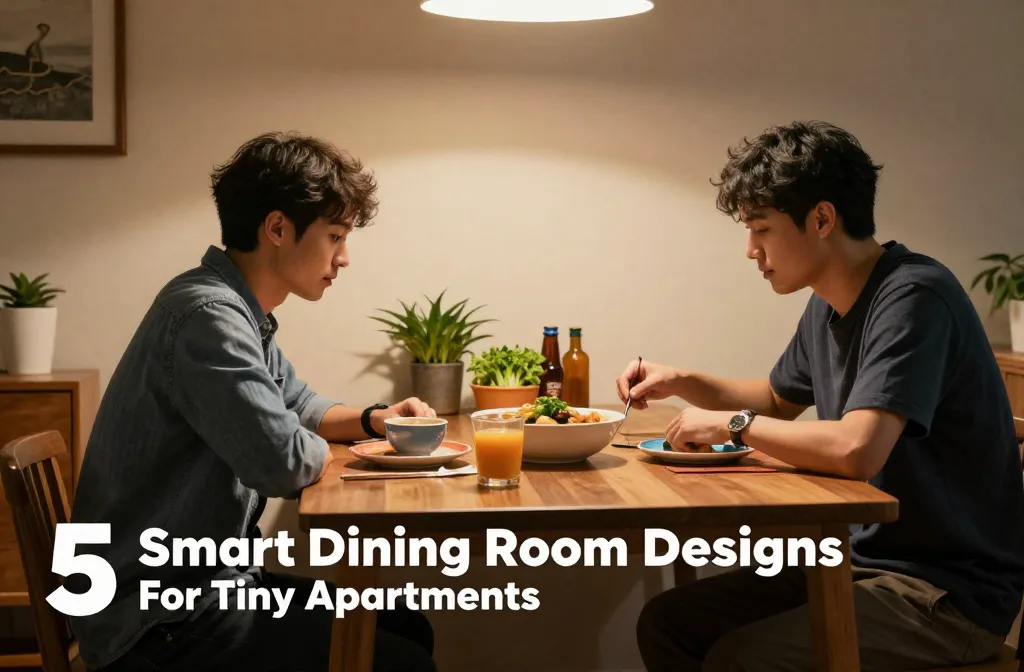
Tiny apartment, big appetite? You can absolutely carve out a stylish, functional dining spot without sacrificing precious square footage (or your sanity). The trick: get clever with shapes, storage, and pieces that moonlight as something else. You’ll eat better, host more, and stop balancing bowls on your knees. Sound good? Let’s set the table.
Fold, Flip, and Tuck: The Shape-Shifting Table
You want a table that behaves like a Transformers character. Wall-mounted drop-leaf tables, gateleg tables, or console-to-dining hybrids give you options. Fold them down for Netflix nights, pop them open when friends show up with dessert.
What to Look for
- Drop-leaf edges: Keep a slim profile against the wall, then expand on demand.
- Sturdy hinges and legs: Wobbly tables kill the vibe faster than cold pasta.
- Easy fold mechanism: If it takes a PhD to open, you won’t use it.
Pro Tip
Mount a narrow shelf above a drop-leaf table. It doubles as a mini bar or coffee station when the table folds down. Your future brunch self will thank you.
Round Tables Win in Tight Spots
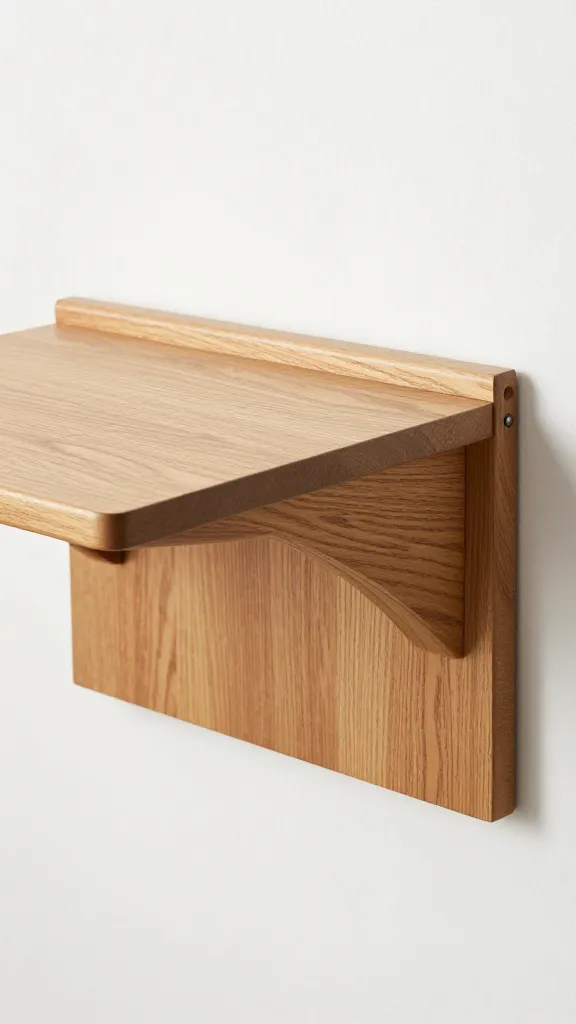
Corners and angles steal space. A small round table cheats it back. You can slide around it, squeeze in a surprise guest, and it visually feels lighter than boxy options.
Sizes That Actually Work
- 30–36 inches diameter: Perfect for two and doable for three in a pinch.
- 36–42 inches: Sweet spot for four if you keep chairs compact.
FYI: A pedestal base frees up legroom and lets you pull in stools or benches without chair leg traffic jams.
Benches and Stools Beat Bulky Chairs
Chairs with arms eat space like it’s a competitive sport. Benches slide under tables. Stools tuck into corners. Mix them and you get a flexible setup that adapts instantly.
Why Benches Rock
- Tuck-in factor: Slide them fully under for a cleaner look.
- Seating math: Two people? Three? Squish in if you must—no one counts chair slots.
- Storage upgrade: Choose a bench with lift-up seats for linens, serving boards, or your snack stash.
IMO: Go armless, low-back, and visually light. Upholstered seats add comfort without the visual bulk.
Wall Magic: Shelves, Rails, and Art-Led Distraction
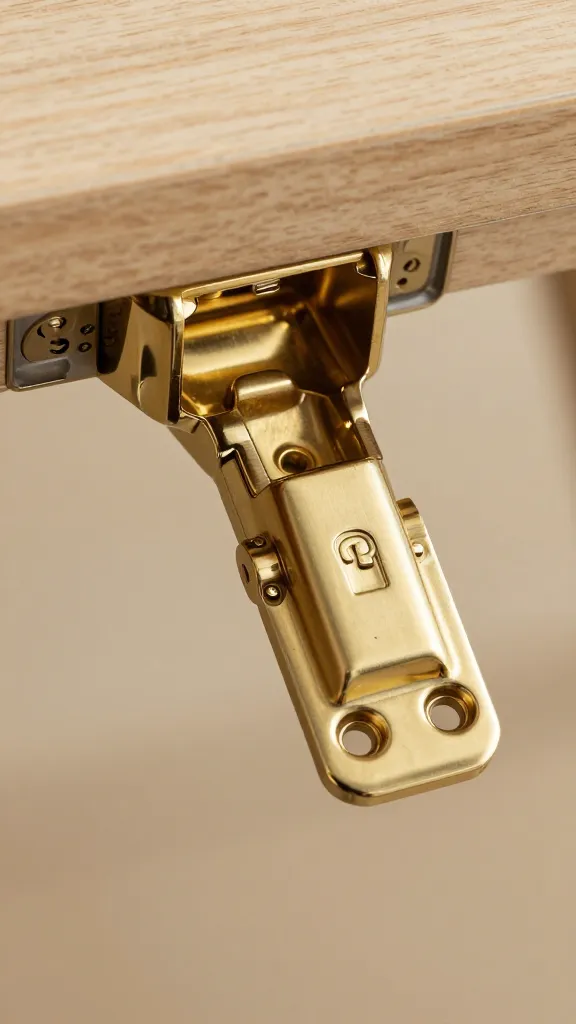
When floor space runs out, go vertical. Treat your wall like mission control for dining, storage, and style. You’ll gain function and make your tiny dining corner feel intentional—aka not random.
Storage That Still Looks Cute
- Floating shelves: Stack plates, bowls, and pretty glasses. Keep daily-use items at arm height.
- Metal rails with hooks: Hang mugs, utensils, tiny planters, and a mini cutting board.
- Shallow cabinets (8–10 inches): Ideal for stemware or spices. Add a mirrored back for extra depth.
Design Move: Create a “Zone”
Anchor your dining spot with a bold art piece or a statement sconce above the table. It tricks the eye into seeing a dedicated room—even if it’s basically two steps from your bed. Bonus points for dimmable lighting and warm bulbs.
Storage-In-Everything Strategy
If an object doesn’t hide something, ask it why it’s there. Furniture that multitasks turns a small eating area into a well-oiled machine.
- Ottomans with storage: Seat, footrest, and napkin bunker in one.
- Window bench: Add a hinged lid for table linens and rarely used platters.
- Slim bar cart: Roll it beside the table for serving, then park it against a wall.
- Ledge shelves: Use picture ledges for spices, sauces, and mini frames—shallow, useful, and tidy.
Hidden Heroes
Magnetic knife strips and under-shelf baskets add stealth storage without clutter. You’ll feel like a kitchen ninja every time you grab a tool off the wall.
Light It Right (and Keep It Off the Head)

Lighting can make a tiny dining nook feel expensive. A small pendant or a plug-in sconce defines the space without hardwiring drama. Keep the fixture scaled to your table so it doesn’t bonk people when they stand up.
- Pendants: Hang 28–34 inches above the table surface for cozy glow.
- Plug-in swag fixtures: No electrician needed—just a ceiling hook and confidence.
- Table lamps: A low lamp on a nearby shelf adds mood lighting instantly.
FYI: Use warm bulbs (2700–3000K). Cool white makes dinner look like a dental exam.
Rugs, Mirrors, and the “Make It Bigger” Illusion
You can’t knock down walls, but you can outsmart them. Mirrors bounce light and double the vibe. A small, flat-weave rug frames the dining zone and saves your chair legs from scraping.
Scale and Placement
- Rug size: Leave at least 24 inches around the table so chairs stay on the rug when pulled out.
- Mirror rule: Hang it across from a window or light source—not across from your sink full of dishes. You’re welcome.
Layout Ideas You Can Steal Today
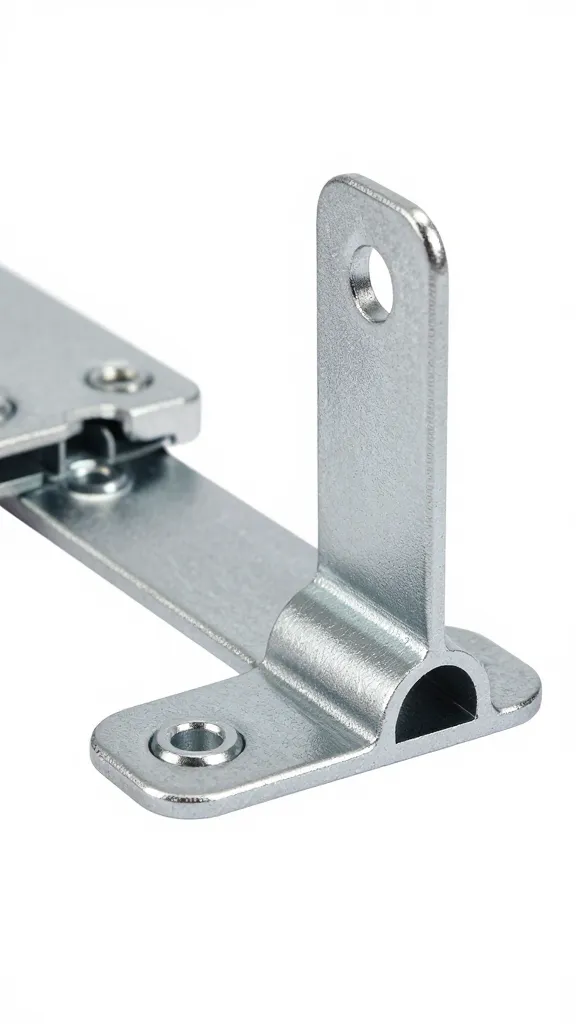
Not into measuring for six days? Try one of these quick-hit setups:
- The Wall Hugger: Drop-leaf table mounted to the wall + two stackable stools + floating shelf above. Opens for guests, disappears after.
- The Cozy Corner: Round pedestal table + L-shaped bench under a window + two armless chairs. Storage in the bench, sunlight for days.
- The Gallery Nook: Small bistro table + two slim chairs + a big art piece + plug-in pendant. You’ll feel like you’re in a café, not a studio apartment.
- The Flex Cart: Narrow console behind sofa that expands to dining + folding chairs on hooks + bar cart as a sideboard. Party mode in 90 seconds.
FAQ
How small is too small for a dining table?
For two people, 24 by 30 inches works in a pinch, but 30 by 30 inches feels better. A 30–36 inch round table is the MVP for tight spaces. If you only eat solo, try a narrow wall-mounted shelf at counter height and add a stool.
Should I buy matching dining sets or mix pieces?
Mixing usually looks lighter and more curated. Pair a wood table with slim metal chairs or a bench. Keep finishes coordinated—two to three tones max—so your tiny dining area reads as intentional, not chaotic.
Do I need a rug under the table?
Nope, but it helps. A flat-weave rug defines the zone and protects the floor. If crumbs stress you out, go for indoor/outdoor or machine-washable options. IMO, it’s worth it.
What’s the best chair height for small tables?
Standard table height sits around 28–30 inches; aim for chairs with 17–18 inch seat heights. Keep chair depth under 20 inches if possible so they don’t hog the walkway. Armless designs save inches and visual weight.
How do I make it feel like a “real” dining room?
Create a focal point and repeat materials. Add a pendant over the table, hang one piece of bold art, and echo the table wood tone in a shelf or frame. That consistency tricks the brain into reading it as a room, even without walls.
Can I seat four in a studio without chaos?
Yes—use a round 36–42 inch table, two regular chairs, and a backless bench that tucks away. Bring out two folding chairs only when needed. Serve family-style on a bar cart to keep the table clear.
Conclusion
Small apartments don’t cancel great meals—they just force better design. Choose flexible tables, go round when you can, stash storage everywhere, and light the zone like you meant it. With a few smart moves (and maybe a sneaky bench), your tiny dining corner becomes the best seat in the house. IMO, that’s a win—and dinner’s ready.